
Introduction
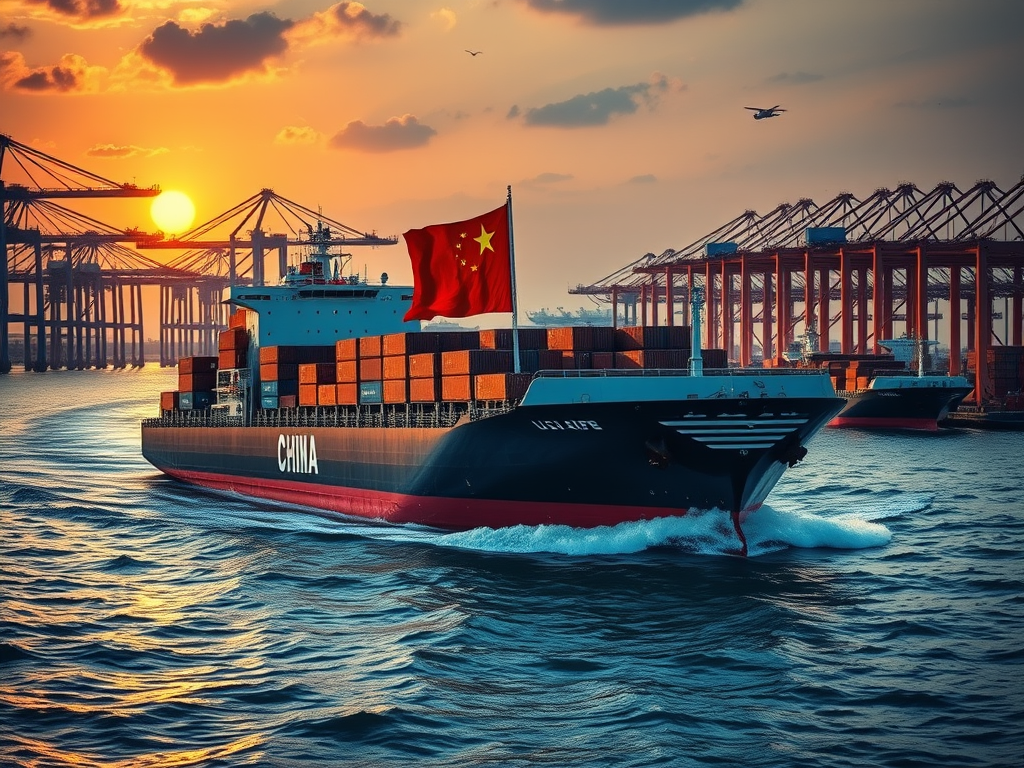
China’s dominance in the global maritime sector has become a growing concern for the U.S., drawing historical parallels to past challenges in American shipping. The rise of Chinese state-controlled shipping and logistics entities raises questions about economic security and the future of global trade.
Historical Context
During World War I, the U.S. had a minimal share of the global shipping fleet. The withdrawal of British and German merchant ships severely impacted U.S. exports, contributing to an economic recession. This period highlighted the vulnerabilities of an underdeveloped domestic shipping industry.
Economic Impact and Legislative Response
To counter this weakness, the U.S. implemented the Shipping Act of 1916, followed by the Merchant Marine Act of 1920 (Jones Act), aimed at enhancing the country’s shipping capabilities and securing national economic interests.
Post-WWII Maritime Policy Shift
After World War II, the U.S. shifted its focus from maritime dominance to promoting free global trade, leading to a decline in state-backed shipping policies. While this approach fostered globalization, it also contributed to reduced American competitiveness in the shipping sector.
Decline of American Shipping
By the 1980s, a lack of investment in commercial shipbuilding and a focus on military ship production led to the decline of the American merchant fleet. This left space for other nations, particularly China, to strengthen their maritime industries.
Rise of China in Shipbuilding and Logistics
Since the early 2000s, China has made significant advancements in the shipbuilding and maritime trade sectors. Today, China produces over 50% of the world’s commercial ships, far outpacing any other nation. State-controlled entities play a leading role in:
- Shipbuilding and repair
- Container manufacturing and leasing
- Global port operations
Global Market Influence
China’s influence in logistics and maritime infrastructure has reshaped global trade. Through state-backed financing and subsidies, Chinese firms have acquired major stakes in international shipping lanes and port terminals, posing strategic challenges for the U.S. and its allies.
Future Concerns
The U.S. faces significant risks if China’s dominance continues unchecked. Key concerns include:
- Supply chain vulnerabilities in case of geopolitical tensions
- Reduced competitiveness of American shipbuilding
- Dependence on Chinese-owned infrastructure for critical trade routes
Call for Action
To address these challenges, the U.S. must strengthen its domestic shipbuilding capabilities by:
- Increasing government support for commercial shipbuilding
- Encouraging private sector investment in maritime logistics
- Implementing trade policies to enhance competitiveness
Key Data Summary
| Factor | Historical U.S. Position | Current Chinese Influence |
|---|---|---|
| Share of Global Shipbuilding | Minimal (WWI) | 50%+ (Today) |
| Government Shipping Support | Strong (Post-WWI) | Strong (State-backed) |
| Shipping Policy Focus | Free Trade (Post-WWII) | Market Dominance |
| Commercial Ship Production | Declined (1980s) | Rapid Growth (2000s-Present) |
| Container Manufacturing | Limited | 95% Global Market Share |
| Port Operations Influence | Reduced | Expanding Global Control |
Conclusion
China’s rapid expansion in the maritime and logistics sectors highlights the urgency for the U.S. to reassess its strategy. Without proactive measures, American shipping and supply chains could become increasingly reliant on foreign-controlled infrastructure, posing long-term economic and national security risks.




 Glottis Limited
Leave a comment