
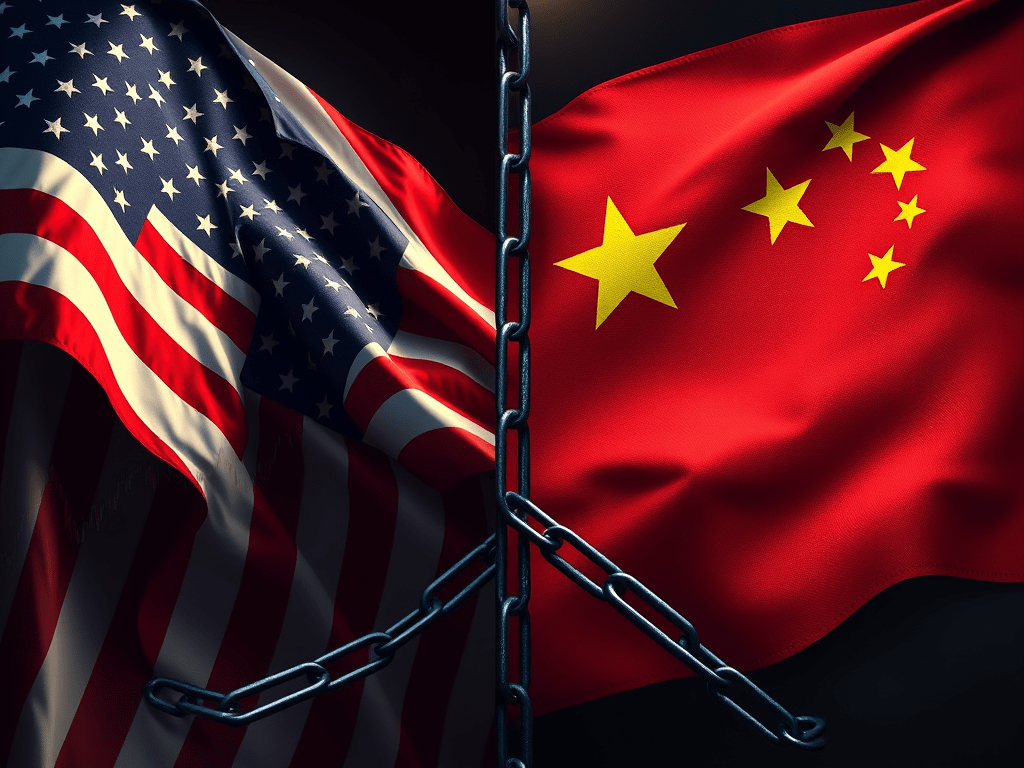
The trade tensions between the United States and China have intensified dramatically, bringing global economic stability into question. With both economic giants imposing steep tariffs on each other’s goods, markets are rattled, and fears of a worldwide slowdown are resurfacing. Below is a snapshot of the latest developments.
📊 Key Developments at a Glance
| Development | Details |
|---|---|
| China’s Retaliatory Tariffs | Raised to 84% on U.S. goods, up from a prior blanket tariff of 34%. |
| U.S. Tariffs on Chinese Goods | Increased to 104%, continuing a protectionist trend initiated under the Trump administration. |
| Market Impact | U.S. stock index futures declined sharply post-announcement, reflecting investor anxiety. |
| China’s WTO Complaint | China lodged a formal grievance, citing U.S. violations of international trade rules. |
| Global Trade Risk | Experts warn of recessionary trends and market instability if escalation continues. |
| Long-Term Policy Uncertainty | Former President Trump hinted the tariffs could be leveraged for negotiation, though without clear policy direction. |
🧭 What This Means for the Global Economy
- Supply Chain Disruptions: Higher tariffs make it costlier for companies to import/export, possibly leading to a reshuffling of global supply chains.
- Investor Confidence: Market volatility suggests waning confidence in global economic resilience.
- Policy Deadlock: With both nations standing firm and the WTO caught in the middle, resolution seems distant.
- Emerging Market Risk: Countries dependent on trade with either China or the U.S. could be collateral damage in the economic standoff.
📌 Conclusion
The China-U.S. trade war is no longer just a bilateral conflict—it’s a global economic flashpoint. With rising tariffs, market jitters, and uncertain policy trajectories, the coming months will be critical in shaping trade norms and economic stability worldwide. Policymakers and businesses alike must prepare for turbulence—and hope for resolution.




 Glottis Limited
Leave a comment