
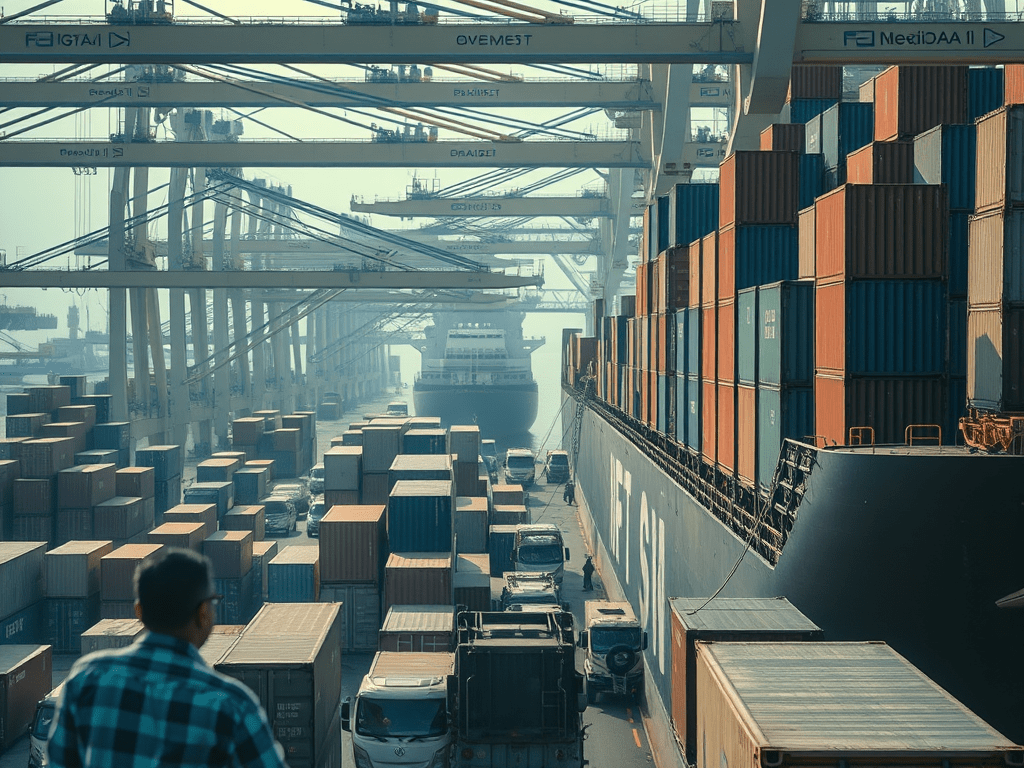
Indian exporters are bracing for a wave of logistical disruptions following a major shift in U.S. trade policy. President Trump’s move to impose reciprocal tariffs—and a temporary 90-day pause on tariffs for Indian imports—has sent shockwaves through global freight markets. The Indian logistics sector is now navigating a critical window where costs, strategy, and agility are more important than ever.
Freight Rates in Focus
With exporters scrambling to dispatch cargoes before the tariff pause expires, freight rates have begun to climb sharply. Industry observers report a 3% immediate increase, and forecasts suggest a double-digit rise is on the horizon.
Key Freight Rate Trends
| Indicator | Current Value / Trend |
|---|---|
| Tariff Pause Duration | 90 Days (temporary exemption) |
| Current Global Freight Rate (40’ container) | $2,265 (3% increase after tariff announcement) |
| Expected Short-Term Rate Hike | Double-digit spike (due to pre-deadline rush) |
| Post-Deadline Outlook | Potential softening as demand stabilizes |
Global Trade & Shipping Landscape
Trump’s policy is only one part of a broader disruption in international trade. Ongoing regional conflicts and unpredictable geopolitical decisions are compounding the volatility. As a result, many exporters and freight forwarders are adopting a “wait-and-watch” stance, cautiously navigating shifting ground.
Sectoral Challenges & Long-Term Trends
| Challenge / Development | Details |
|---|---|
| Global Trade Volatility | Ongoing regional conflicts, shifting alliances, and economic uncertainty |
| Dependency on Foreign Container Leasing | High reliance on leased containers, particularly from China |
| Domestic Container Shortage | Supply limitations create operational instability and rate sensitivity |
| Indian Government Support | Maritime Development Fund aimed at boosting domestic shipbuilding and self-reliance |
| Industry Response | Increased demand for agile, integrated supply chain solutions |
The Path Ahead
India’s export ecosystem is entering a critical phase. While the short-term outlook points to higher freight costs and constrained capacity, policy moves—both domestic and international—are reshaping the logistics terrain.
Industry players are calling for:
- Faster container procurement strategies
- Investment in domestic manufacturing of containers and ships
- Digitization and integration of logistics chains
- Policy predictability and proactive trade facilitation
Conclusion
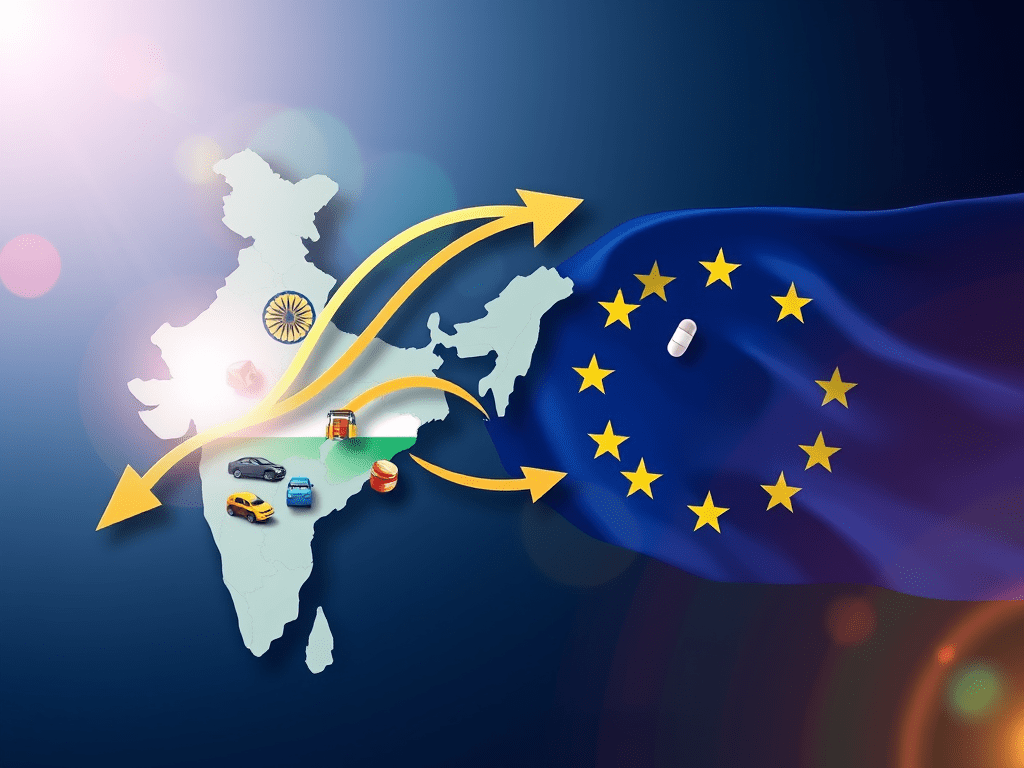
Trump’s tariff policy is a stark reminder of how quickly trade regulations can reshape market realities. For Indian exporters, the next 90 days will be crucial—not only in mitigating immediate cost impacts but also in building resilience against future trade policy shocks. The need for long-term logistics independence and robust supply chain strategies has never been more urgent.


 Glottis Limited
Leave a comment