

India’s trade deficit with China hit a record high of $99.2 billion in the fiscal year 2024–25, raising critical concerns about the country’s growing dependency on its northern neighbor. As bilateral trade surged, India imported significantly more than it exported, driven by demand for electronics, batteries, solar cells, and consumer durables.
Key Trade Figures (FY 2024–25)
| Indicator | Value | % Change YoY |
|---|---|---|
| Total Two-Way Trade with China | $127.7 billion | +13% |
| Total Imports from China | $113.5 billion | +15.4% |
| Total Exports to China | $14.3 billion | -12.7% |
| Monthly Imports (March 2025) | $9.7 billion | +25% YoY |
| Monthly Exports (March 2025) | $1.5 billion | -14.5% YoY |
| Trade Deficit with China | $99.2 billion | Record High |
Major Drivers of the Deficit
- Electronics & Solar Components
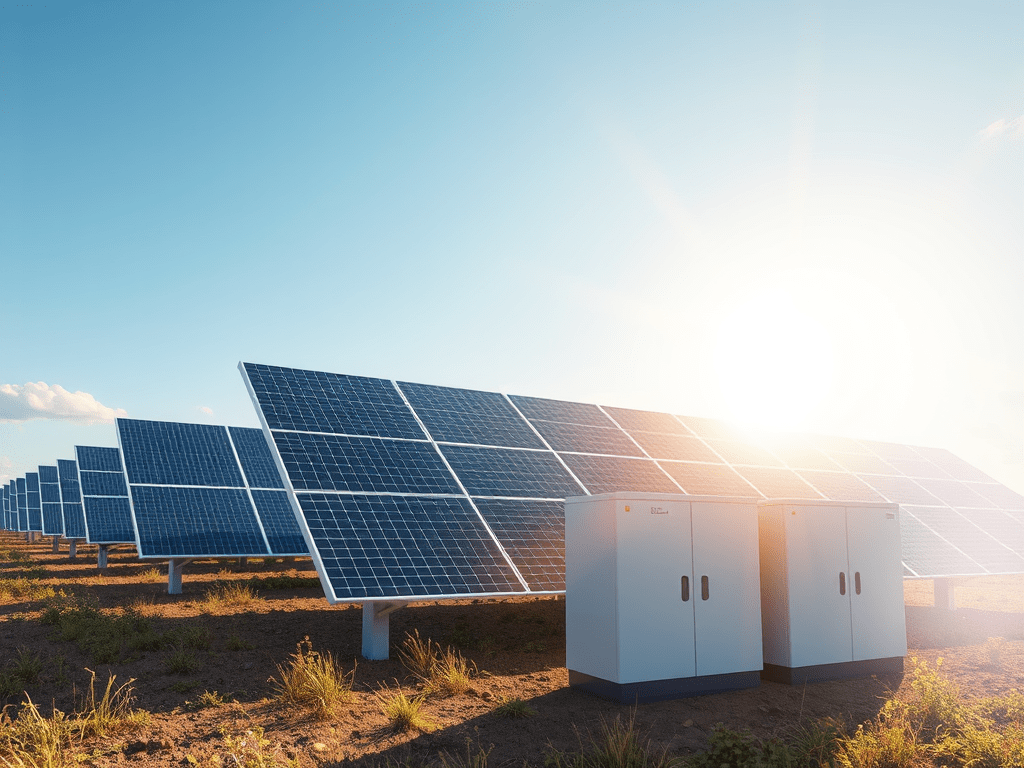
Imports of electronics, electric batteries, and solar cells surged, accounting for a large share of India’s import basket. The demand for these components, especially for industrial use and green energy initiatives, has grown sharply. - Consumer Durables Boom
India’s consumer market witnessed strong demand for Chinese-manufactured appliances, mobile phones, and gadgets, further fueling the import numbers. - Re-routing of Chinese Goods
Following aggressive U.S. tariffs on Chinese goods, experts warn that some of these goods may be entering India through indirect routes or redirected export strategies. - Supply Chain Dependency
A major structural issue lies in India’s heavy reliance on China for raw materials and intermediate goods required for its manufacturing and assembly processes. - Lack of Domestic Alternatives
India’s limited domestic production capabilities in high-tech manufacturing have left it with few viable alternatives to Chinese suppliers for crucial electronic components.
Strategic and Policy Implications
- Economic Dependency Concerns: Industry observers have expressed concern over India’s growing structural dependency on China. This poses long-term risks to India’s self-reliance goals in sectors like electronics and renewable energy.
- Government Intervention Plans: The Indian government is planning to establish a dedicated monitoring unit to scrutinize cheaper imports, particularly from China. The unit will also ensure compliance with international trade norms, especially in light of the U.S.-China tariff tensions.
- Future Projections: Imports from China are expected to increase by another 20% in the current fiscal year, reinforcing the urgency to diversify supply chains and enhance domestic manufacturing capabilities.
Conclusion
India’s record trade deficit with China in FY 2024–25 serves as a wake-up call. While it underscores robust domestic demand and growth in sectors like consumer electronics and green energy, it also highlights India’s critical economic vulnerability. Addressing this requires long-term industrial policy reforms, enhanced trade monitoring, and a push for indigenous manufacturing under initiatives like Make in India and PLI (Production-Linked Incentive) schemes.
The challenge is not just economic—but strategic. India must strike a balance between being a fast-growing consumer market and building resilient, self-reliant supply chains.



 Glottis Limited
Leave a comment