
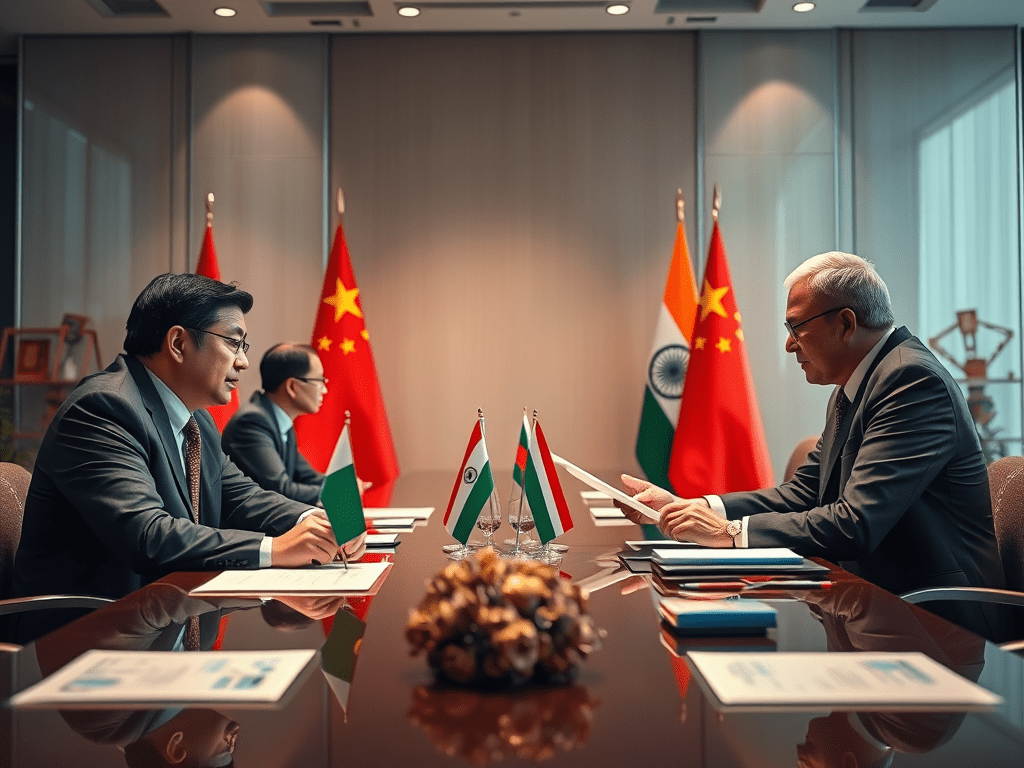
As global trade continues to face disruptions from geopolitical rifts and protectionist policies, China has extended a diplomatic olive branch to India, assuring responsible trade behavior and compliance with international standards. This development comes against the backdrop of rising Indian concerns over the inflow of cheap Chinese goods, particularly steel, and amidst broader trade conflicts involving global superpowers.
China’s Key Reassurances to India
In a recent statement, China’s ambassador to India, Xu Feihong, affirmed that China would not flood foreign markets with inexpensive goods that could harm local industries. This assurance comes as a response to India’s increasing scrutiny of Chinese imports, particularly in sectors like steel and electronics.
The ambassador further emphasized China’s commitment to World Trade Organization (WTO) rules, signaling that the country aims to play a constructive role in global trade governance. As part of its domestic economic strategy, China is also shifting focus towards stimulating domestic consumption and reducing its dependency on exports—a move intended to safeguard against external market shocks.
Key Developments in India-China Trade Relations
| Development | Details |
|---|---|
| Reassurance from China | No market dumping or disruption to foreign economies, especially India. |
| Domestic Demand Focus | China plans to boost internal consumption to rebalance trade dependencies. |
| WTO Compliance | Emphasis on adherence to WTO rules on subsidies and fair competition. |
| Indian Tariffs on Steel | India imposes a 12% temporary tariff on certain steel imports from China. |
| Backdrop of US-China Trade War | Ongoing global trade tension influencing regional dynamics. |
| Improving Bilateral Ties | Signs of diplomatic thaw; efforts to expand trade cooperation. |
| 75 Years of Diplomacy | Leaders from both nations express willingness to deepen economic ties. |
Geopolitical Context and Strategic Dialogue
India’s recent move to impose a 12% safeguard duty on certain steel imports follows rising pressure on domestic steel mills, as Chinese products threaten market share and pricing. While this decision is protectionist in nature, it also underscores India’s increasing vigilance in defending key industrial sectors.
The reassurances from China reflect a larger effort to de-escalate trade frictions and position bilateral ties on firmer ground. Both President Xi Jinping and Indian President Droupadi Murmu have publicly committed to commemorating 75 years of diplomatic engagement, with an intent to revitalize cooperation across trade, infrastructure, and technology.
Conclusion
In an increasingly volatile global economy, efforts by China and India to stabilize trade relations signal a prudent shift toward dialogue and mutual growth. As both nations navigate external pressures and internal economic goals, ongoing diplomatic engagement will be critical to ensuring a balanced and sustainable trade partnership.



 Glottis Limited
Leave a comment