
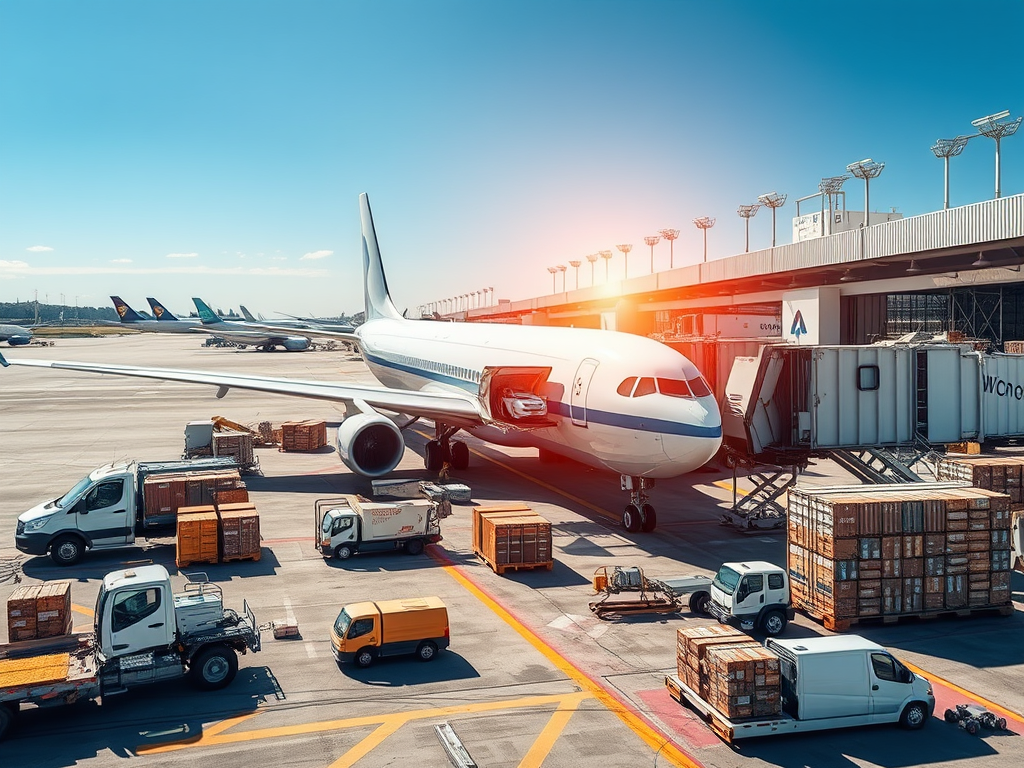
The global air cargo industry rebounded sharply in March 2025, registering its highest cargo volumes ever for the month. Following a marginal dip in February, demand surged due to geopolitical trade shifts, especially looming U.S. tariffs, and broader global economic adjustments.
Strong Rebound in Demand and Capacity
Air cargo demand rose by 4.4% year-on-year in March, reversing a 0.1% dip in February. Capacity also kept pace, increasing by 4.3%, helping to maintain a stable cargo load factor of 47.5%. The simultaneous rise in both demand and capacity reflects a resilient industry poised for continued growth.
Key Metrics – March 2025 Air Cargo Performance
| Metric | Value / Change |
|---|---|
| YoY Air Cargo Demand Growth | +4.4% |
| Capacity Growth | +4.3% |
| Cargo Load Factor | 47.5% (Stable) |
| Record Achieved | Highest March cargo volumes ever |
| Primary Driver | Pre-tariff inventory front-loading |
| US Tariff Implementation Date | April 2, 2025 |
| Fuel Cost Influence | Declined, supporting short-term margins |
Regional Cargo Growth Breakdown
| Region | YoY Cargo Volume Growth (%) |
|---|---|
| Asia-Pacific | +9.6% |
| North America | +9.5% |
| Europe | +4.5% |
| Latin America | +5.8% |
| Middle East | -3.2% |
| Africa | -13.4% |
The Asia-Pacific and North American carriers led the global surge, while African airlines suffered a sharp decline due to operational and geopolitical challenges.
Trade Lane Trends and Economic Context
The Europe–North America route emerged as the busiest trade lane, followed by significant movement in the Asia–North America corridor. These spikes coincided with a 9%+ surge in the U.S. trade deficit, which crossed $162 billion, fueled by heightened import activity ahead of new tariffs.
Outlook: Trends Shaping the Future of Air Cargo
Looking ahead, several trends are expected to influence the trajectory of air cargo:
| Trend / Factor | Impact / Outlook |
|---|---|
| Continued Demand Growth | Driven by e-commerce, fast delivery needs, and global trade expansion |
| Trade Policies | Volatility in tariffs and agreements will dictate short-term demand fluctuations |
| Technological Advancements | AI, automation, and tracking tools to improve efficiency and reduce operational costs |
| Sustainability Initiatives | Push toward greener logistics with fuel-efficient aircraft and alternative fuels |
| Post-Pandemic Market Recovery | Ongoing recovery from COVID-19 disruptions to restore and expand cargo flows |
| Regional Variations | Asia-Pacific to lead, while others vary based on economic resilience |
| Capacity Constraints | Infrastructure and fleet investments needed to meet growing demand |
| Global Uncertainties | Geopolitics, fuel prices, and supply chain risks remain major challenges |
Conclusion
The March 2025 air cargo performance highlights a dynamic global trade environment, with geopolitical policies such as tariffs playing a pivotal role in driving volume. While growth remains promising, sustained performance will require adaptability, investments in technology and infrastructure, and careful navigation of economic and environmental challenges.




 Glottis Limited
Leave a comment