
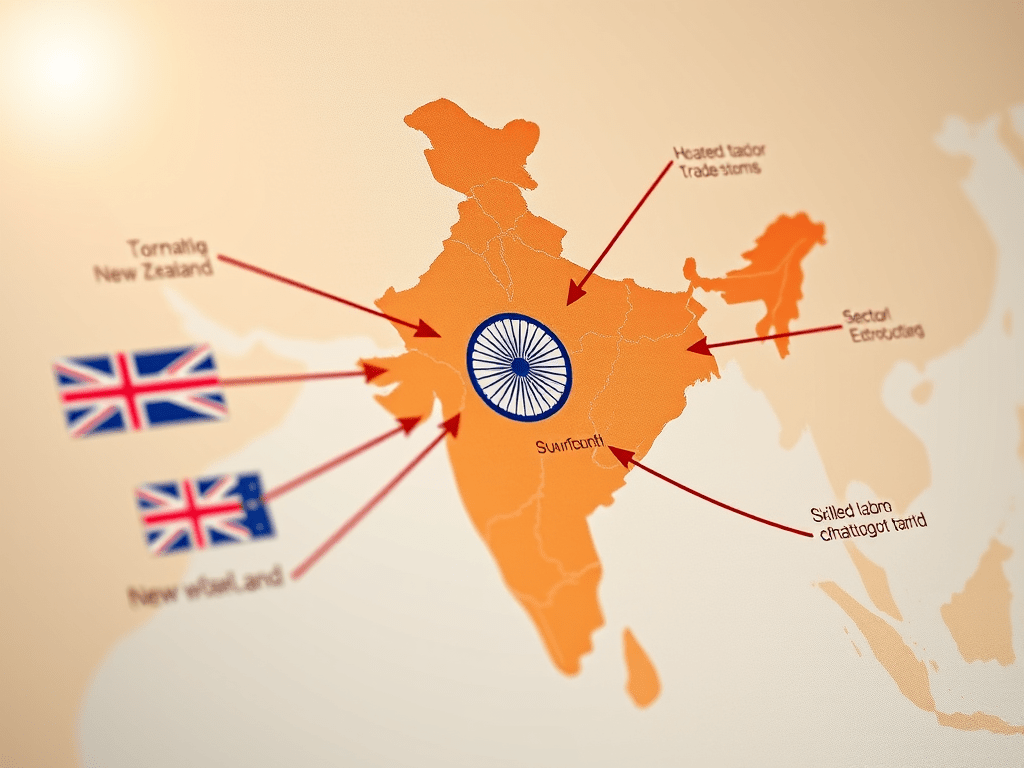
As the global trade landscape undergoes a transformation marked by protectionism and fluctuating tariff regimes, India has recalibrated its own trade negotiation strategy. Moving away from large-scale Free Trade Agreements (FTAs), India is now focusing on short-term, limited-scope trade deals aimed at addressing immediate trade barriers and advancing sector-specific interests.
Strategic Shift in Trade Policy
India’s new approach is driven by the need for agility in a dynamic global economy. Rather than pursuing complex, time-consuming FTAs that involve wide-ranging commitments, the country is now targeting key sectors and partner nations with simplified trade frameworks.
This pragmatic strategy allows India to quickly resolve bottlenecks, open specific market access, and adapt to global tariff shifts without being tied down by exhaustive negotiations.
Key Focus Areas of India’s Trade Strategy
| Focus Area | Details |
|---|---|
| Short-Term Trade Deals | Moving away from comprehensive FTAs to limited-scope, faster agreements. |
| Partner Countries | UK, New Zealand, and others with strategic trade potential. |
| Tariff Reduction | Emphasis on easing customs duties on goods for mutual market access. |
| Non-Tariff Barriers (NTBs) | Addressing regulations, standards, and certifications that hinder trade. |
| Skilled Labor Mobility | India pushing for provisions to allow temporary movement of IT professionals, especially to the UK. |
Negotiations with the UK: A Priority Focus
Among India’s current trade engagements, talks with the United Kingdom are of high priority. The discussions aim to unlock value in both directions through:
- Market access for Indian services, especially IT and digital services.
- Mutual reduction of tariffs on select industrial and agricultural products.
- Simplification of regulatory requirements through cooperation on standards and certifications.
India is also strongly advocating for allowing temporary mobility of skilled professionals, such as software engineers and data analysts—an area of key interest in the UK deal.
Why This Strategic Shift?
India’s recalibration is a response to shifting global trade dynamics, such as:
- Frequent tariff interventions from advanced economies.
- Rise of economic nationalism and regional trade blocks.
- Demand for faster results that benefit specific sectors.
- The need to mitigate delays associated with comprehensive trade negotiations.
Implications of India’s Trade Strategy
| Implication | Impact |
|---|---|
| Faster Trade Outcomes | Sector-specific deals can unlock immediate benefits for exporters/importers. |
| Boost to Services Sector | Enhanced mobility for skilled labor, especially in IT, can boost exports. |
| Improved Negotiating Leverage | Focused talks offer India more control over outcomes and concessions. |
| Adaptability to Global Trends | Smaller deals help India respond flexibly to global economic shifts. |
| Bilateral Strengthening | Strategic partners like the UK see enhanced collaboration potential. |
Conclusion: A Pragmatic Path Forward
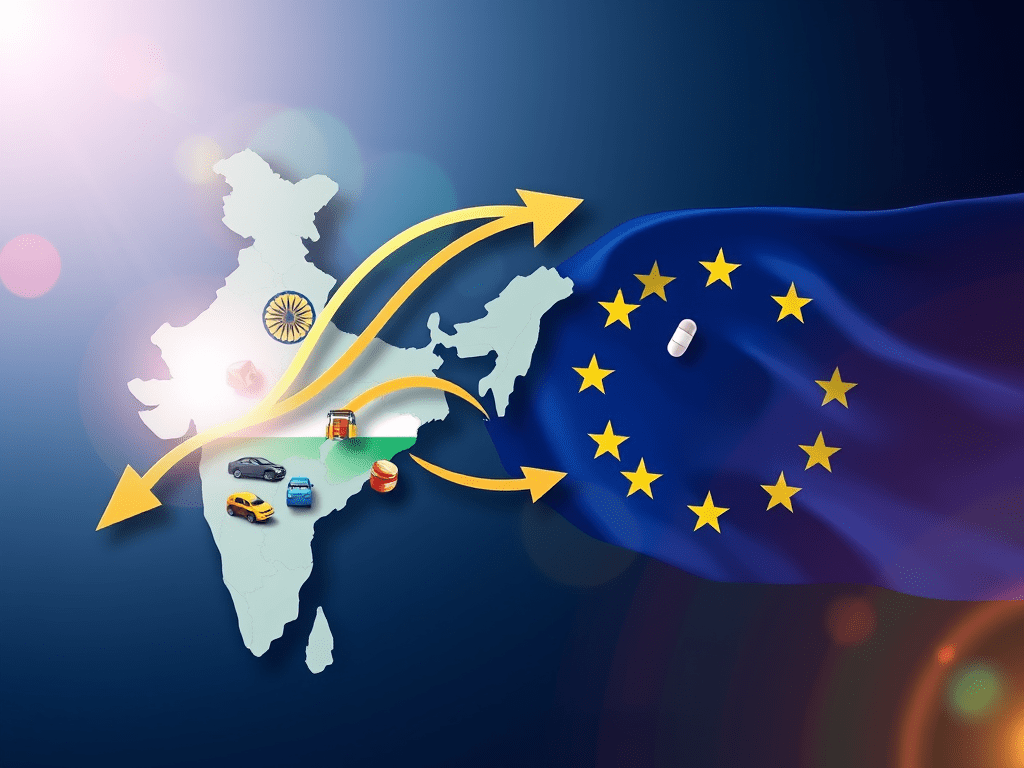
India’s updated trade policy approach reflects a shift from idealism to realism. By narrowing the scope of its negotiations, India is positioning itself to respond more swiftly to global disruptions, while protecting and promoting key sectors like information technology, pharmaceuticals, and agriculture.
As the world leans into more fragmented and protectionist trade practices, India’s strategy could become a model for agile economic diplomacy, fostering growth through targeted, high-impact agreements that prioritize national interest and trade resilience.


 Glottis Limited
Leave a comment