
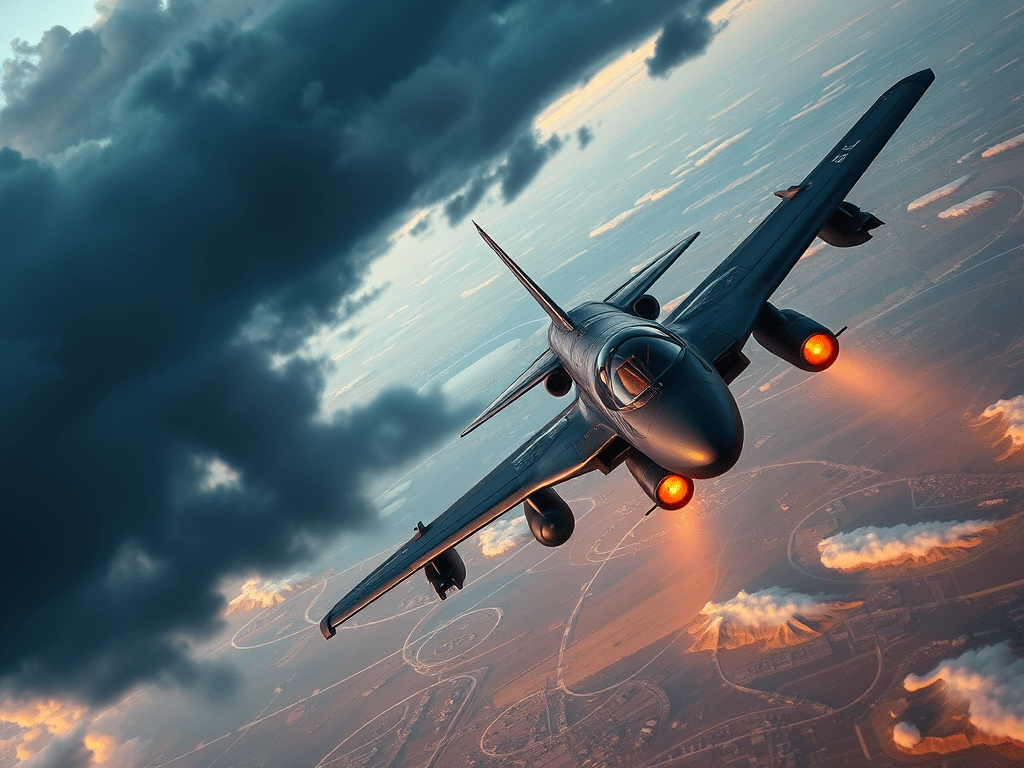
India’s military action, Operation Sindoor, launched in retaliation to the Pahalgam terror attack of April 22, has had far-reaching consequences—not just militarily, but also across the skies of South Asia. As airspace over northern India, Pakistan, and Pakistan-Occupied Kashmir (PoK) becomes a no-fly zone, airlines around the globe are facing massive disruptions in flight routes, financial losses, and growing safety concerns.
🧨 What Is Operation Sindoor?
Operation Sindoor is a large-scale offensive by Indian armed forces aimed at neutralizing terrorist infrastructure across Pakistan and PoK. Triggered by the terror attack in Pahalgam that claimed 26 lives, the operation involves coordinated ground and aerial strikes, leading to heightened military activity along the Line of Control (LoC) and sensitive border regions.
✈️ Aviation Fallout: A Sector in Crisis
The airspace lockdown has rapidly spiraled into a logistical and financial crisis for the aviation sector:
- Domestic carriers such as Air India, IndiGo, SpiceJet, Akasa Air, and Air India Express have canceled numerous flights to avoid the conflict zone.
- International airlines including Qatar Airways, EVA Air, Korean Air, Thai Airways, and China Airlines have rerouted long-haul flights that typically overfly Pakistan, leading to fuel-intensive detours and longer flying hours.
- Closure of northern Indian airports (Jammu, Srinagar, Leh, Amritsar, and Chandigarh) has created a complete aviation blackout over the region.
📊 Key Data Summary
| Aspect | Details |
|---|---|
| Operation Name | Operation Sindoor |
| Trigger Event | April 22 Pahalgam terror attack (26 casualties) |
| Affected Regions | Pakistan, Pakistan-Occupied Kashmir, Northern India |
| Closed Airports | Jammu, Srinagar, Leh, Amritsar, Chandigarh |
| Flight Cancellations (to/from Pakistan) | 52 flights (as of Wednesday morning) |
| Domestic Airlines Affected | Air India, IndiGo, SpiceJet, Akasa Air, Air India Express |
| International Airlines Rerouted | Qatar Airways, EVA Air, Korean Air, Thai Airways, China Airlines |
| Financial Impact (India-based airlines) | ₹77 crore additional costs per week |
| Operational Impact | Increased fuel consumption, flight delays, crew rescheduling issues |
| Alternative Routes Affected | Congestion over Arabian Sea and Middle Eastern corridors |
| Safety Concerns | GPS spoofing, mid-air route conflicts |
🔍 Safety and Strategic Implications
With tensions escalating in the region, air traffic control authorities are on high alert. Airlines and pilots have reported increased risks of GPS spoofing, a tactic used in conflict zones to misguide aircraft navigation systems. These interference risks, combined with dense traffic on alternate routes, pose a serious threat to air travel safety.
Meanwhile, governments and international aviation bodies are closely monitoring developments to coordinate emergency responses and maintain flight safety.
💸 Financial Impact: ₹77 Crore per Week and Rising
According to industry estimates, the cost of rerouting, refueling, and crew overtime for Indian carriers alone is around ₹77 crore per week. For global airlines, costs are compounded by airspace restrictions and airport closures, making it a multi-million-dollar disruption. As the situation unfolds, airlines are bracing for sustained financial turbulence.
🛫 Sky-Wide Disruption
Operation Sindoor has not only redrawn the geopolitical map but also rewritten air corridors over South Asia. The aviation industry’s dependence on stable airspace has once again been highlighted, with flight operations vulnerable to sudden geopolitical shocks.
As conflict continues to loom, airlines, passengers, and governments are left to navigate a sky that’s more volatile than ever before.




 Glottis Limited
Leave a comment