
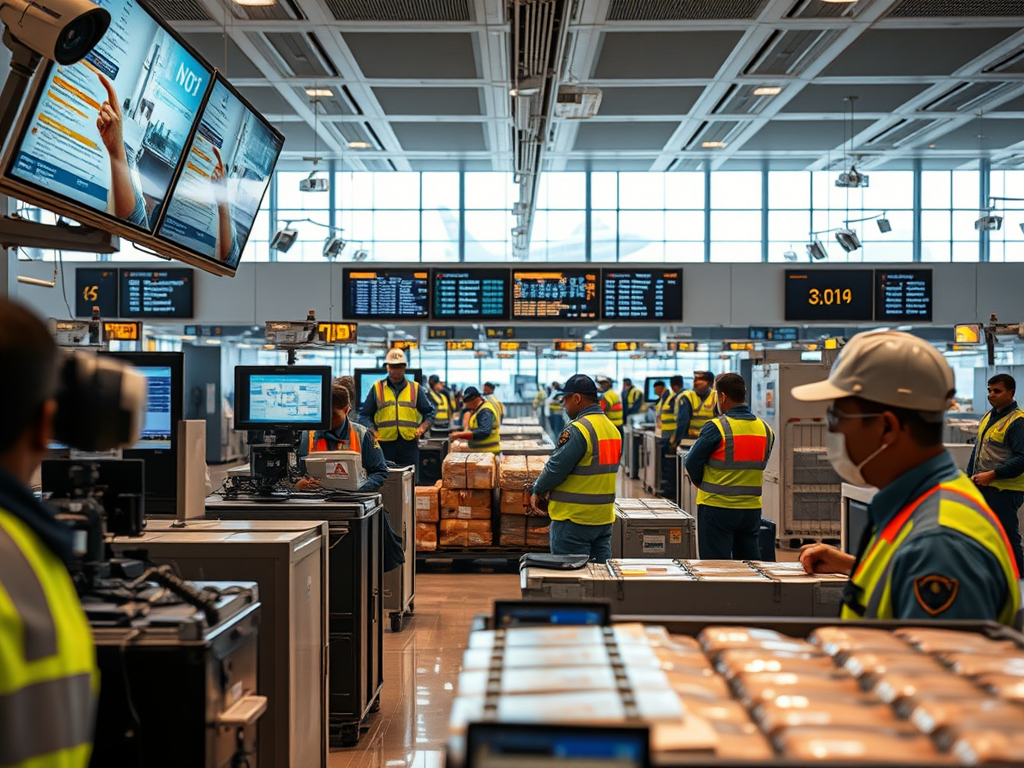
Effective May 8, 2025, the Indian aviation sector will implement enhanced security protocols for cargo operations at all airports. This initiative, led by civil aviation and security agencies, reflects a strategic shift in addressing modern security challenges in air logistics while attempting to maintain operational efficiency.
Overview of the New Security Measures
The revised framework introduces tighter checks across multiple touchpoints in the cargo handling ecosystem, aimed at preemptively mitigating risks from unlawful or dangerous shipments. These include:
Key Security Enhancements
| Security Measure | Description |
|---|---|
| Thorough Cargo Screening | Rigorous inspections of all shipments to detect prohibited/hazardous items. |
| Credential Verification | Verification of entities booking cargo to prevent misuse or fraud. |
| Increased Surveillance | Deployment of more security personnel and expanded CCTV coverage. |
| Flight Monitoring | Closer oversight of non-scheduled operations, including air ambulances. |
These steps are in line with global practices and emphasize accountability throughout the supply chain.
Impact on Cargo Movement and Stakeholders
While these measures enhance safety, they bring logistical and financial consequences that stakeholders must adapt to.
Operational and Economic Implications
| Category | Details |
|---|---|
| Operational Delays | Cargo processing times may increase due to added screening, especially during peak demand. |
| Backlogs | Likely during e-commerce surges or festival seasons, leading to scheduling issues. |
| Increased Costs | Stakeholders may bear higher costs from training, compliance systems, and extended labor hours. |
| Freight Rate Hikes | Airlines and handlers may pass increased costs to customers, impacting time-sensitive industries. |
These outcomes could strain logistics providers and exporters, particularly those handling pharmaceuticals, electronics, perishables, and high-value goods.
Broader Strategic Considerations
1. Economic Competitiveness
India’s trade competitiveness may face short-term disruption as exporters adjust to new compliance timelines. Efficient implementation and technology adoption will be critical to minimizing economic drag.
2. Need for Policy Support
Uniformity in execution across all airports—whether Tier 1 or Tier 3—requires central policy guidance, funding, and performance benchmarking to avoid uneven enforcement.
3. Global Harmonization
These measures are modeled after international standards like:
- U.S. TSA’s Air Cargo Advanced Screening (ACAS)
- EU’s Import Control System 2 (ICS2)
India’s proactive alignment positions it favorably for cross-border regulatory recognition and potential fast-track agreements with major trading partners.
Conclusion
India’s updated air cargo security framework marks a critical balancing act between safeguarding national airspace and sustaining the flow of global trade. As implementation begins, collaboration among airports, logistics firms, exporters, and government agencies will determine how seamlessly these protocols integrate into the operational fabric of India’s air cargo ecosystem.
To mitigate disruptions, industry players must:
- Invest in compliance tech and training programs.
- Proactively engage with airport authorities and freight councils.
- Advocate for transparent guidelines and infrastructure upgrades, especially at cargo-congested hubs.
These reforms—while demanding—signal India’s growing maturity in secure and efficient global logistics.



 Glottis Limited
Leave a comment