
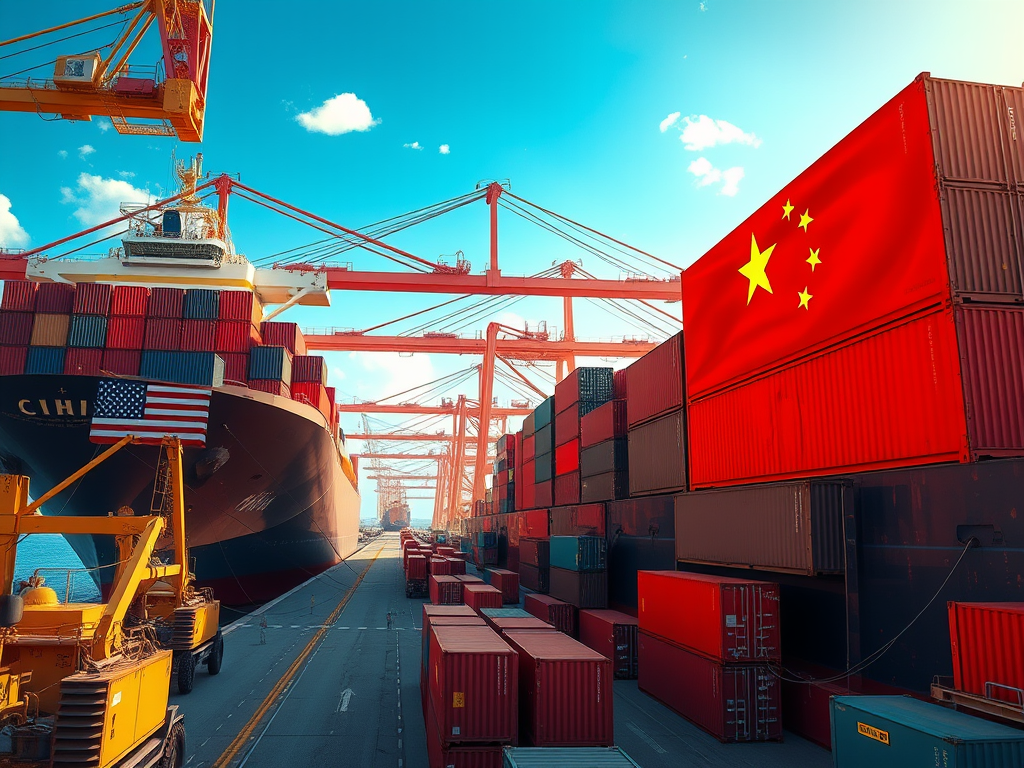
In a significant move that may reshape global shipping dynamics, the United States and China have agreed to temporarily ease tariffs, reigniting trade volumes and triggering strategic shifts within the logistics industry.
This 90-day tariff reprieve marks a rare moment of economic diplomacy between the two largest economies and is already sending ripples through global supply chains—particularly on the Transpacific trade route.
🔑 Key Tariff Changes (Effective for 90 Days)
| Country | Previous Tariff on Imports | Revised Tariff | Affected Imports |
|---|---|---|---|
| United States | 145% on Chinese goods | 30% | Consumer electronics, machinery, etc. |
| China | 125% on U.S. goods | 10% | Agricultural products, tech parts |
📦 Impact on the Shipping Industry
1. Spike in Bookings Expected
According to Hapag-Lloyd, a leading global carrier, a substantial increase in bookings from China to the U.S. is expected—just in time for the traditional peak shipping season (August to October). This will likely drive better utilization of vessels and increased revenues for shipping lines.
2. Rebound from a Sluggish Trade Phase
Before this agreement, trade between the two giants had deteriorated. The resulting lower cargo volumes forced shipping companies to suspend routes, idle vessels, and cut capacity on Transpacific lanes.
🛳️ Strategic Shifts by Major Shipping Lines
| Shipping Line | Previous Action | Planned/Current Strategy Post-Tariff Cut |
|---|---|---|
| Hapag-Lloyd | Downsized ships, reduced frequency | May reverse downsizing based on demand resurgence |
| Maersk | Shifted capacity to alternate trade lanes | Can quickly redeploy vessels to China–U.S. route |
⚠️ Short-Term Rush Likely
With just 90 days to capitalize on reduced tariffs, Chinese factories are expected to expedite shipments, creating a logistics surge. Freight forwarders should anticipate:
- Increased booking volumes
- Tighter space availability
- Upward pressure on freight rates
🚚 Logistics Timeline Insights
The average transit time on the Transpacific route is 22 days, leaving a tight operational window for exporters and importers to plan inventory movements and optimize customs clearance.
| Route | Avg. Transit Time | Tariff Window Remaining (as of today) |
|---|---|---|
| China to U.S. West Coast | 22 days | ~[Insert Current Days Left] days |
Businesses should act swiftly to leverage this limited window for cost-effective restocking.
📈 Conclusion
The temporary tariff rollback offers both opportunity and urgency. Logistics providers, exporters, and importers must respond quickly to seize short-term benefits while preparing for any potential re-escalation after 90 days. Proactive planning, real-time coordination with shipping lines, and flexible allocation of resources will be critical to navigating this evolving landscape.




 Glottis Limited
Leave a comment