
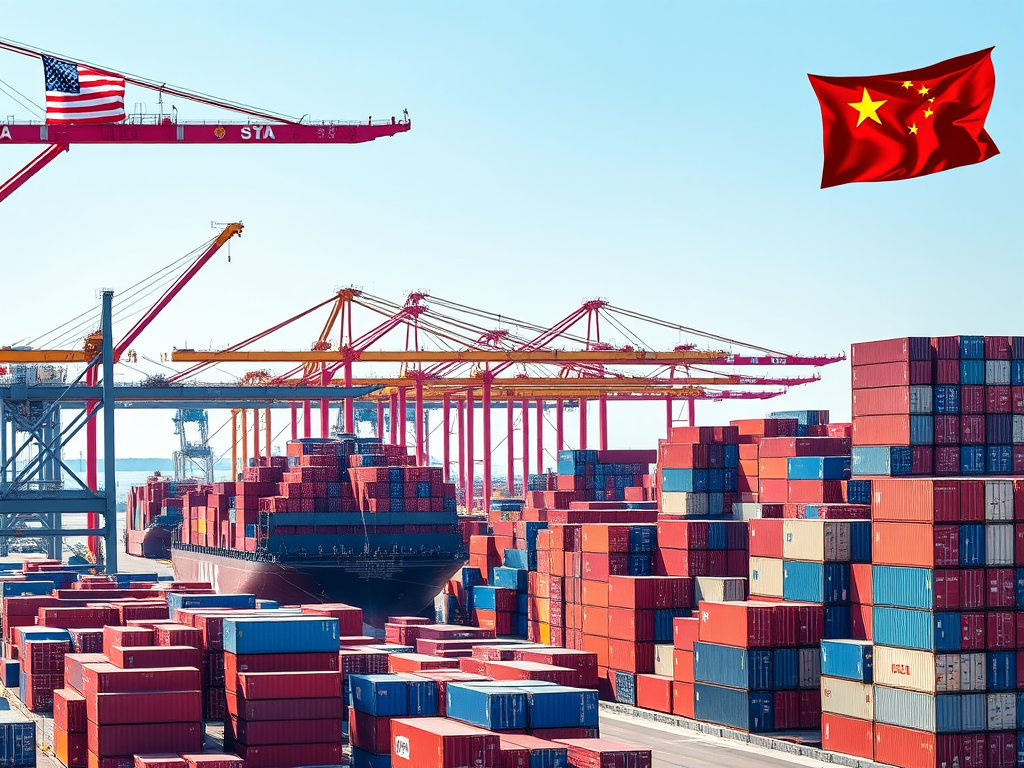
In a dramatic turn of events in the ongoing trade dispute, the United States has announced a 90-day pause in its tariff war with China. While this truce offers temporary relief for global trade, it has unleashed a surge in shipping activity, particularly on transpacific routes — sending freight rates soaring and creating logistical hurdles for Indian exporters.
Cargo Rush Amid the Truce
The tariff pause has prompted Chinese exporters and global importers to rush cargo movement to take advantage of the 90-day window. This sudden spike in demand has led to increased pressure on shipping lines and freight space, driving up spot freight rates, especially for transpacific trades bound for the U.S.
The Indian Shipper’s Double Whammy
While the global rush benefits Chinese trade volumes, Indian shippers are facing a double challenge:
- Reduced space availability on global freight routes due to the influx of Chinese goods.
- Geopolitical tensions with Pakistan, which are creating added security and commercial uncertainties for Indian trade corridors.
Expert Viewpoint
“The urgency among shippers is critical — everyone is trying to push cargo while the tariffs are paused,”
says Peter Sand, Chief Analyst at a shipping research firm.
“This temporary window is reshaping the short-term dynamics of global supply chains.”
Key Data at a Glance
| Aspect | Details |
|---|---|
| Tariff Status | 90-day pause in US–China tariff war |
| Trigger | Truce declared by US administration |
| Resulting Trend | Surge in China-to-US shipments |
| Impact on Freight Rates | Upward spike in spot rates for transpacific trades |
| Effect on Indian Shippers | Reduced capacity, geopolitical risks, disrupted planning |
| Geopolitical Factor | India–Pakistan tensions affecting logistics confidence |
| Industry Concern | Risk of elevated freight rates and operational uncertainty |
| Analyst Insight | Shippers racing to beat deadline before tariffs resume |
Shippers’ Response Strategies
| Action | Description |
|---|---|
| Increased Shipping Activity | Accelerated movement of Chinese goods during the tariff pause |
| Expedited Shipping | Preference for faster air or express ocean freight |
| Strategic Supply Chain Review | Reevaluating inventory, alternative sourcing, and route optimization |
| Monitoring Freight Trends | Watching freight indices to lock in rates before further surges |
| Risk Mitigation | Assessing regional threats (e.g., India–Pakistan) in cargo routing and insurance |
Conclusion: Navigating Uncertainty with Agility
The temporary trade truce between the U.S. and China has provided short-term relief — but it has also intensified market volatility and supply chain congestion. For Indian shippers, this environment demands proactive strategy, dynamic logistics planning, and increased agility to navigate both external freight pressures and regional geopolitical complexities.
As the clock ticks on the 90-day pause, the industry watches closely — not just for the next trade policy announcement, but for signs of supply chain recalibration in a post-tariff world.



 Glottis Limited
Leave a comment