
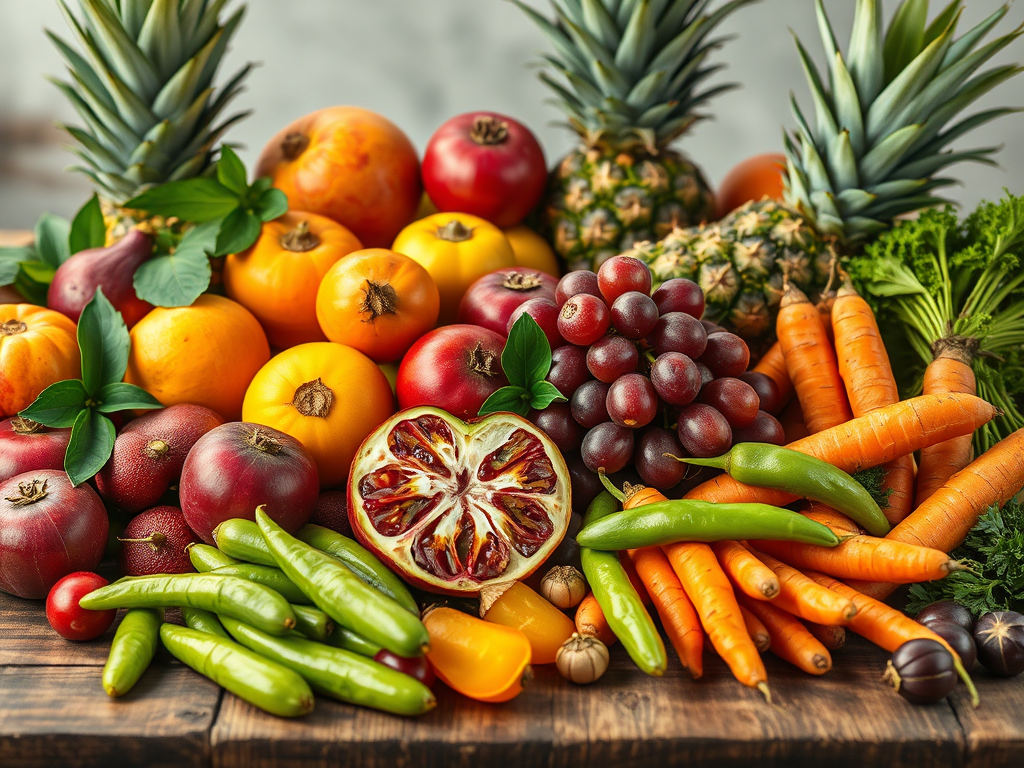
India is pushing for expanded access to the lucrative U.S. agricultural market by advocating for relaxation of stringent health and safety regulations that currently limit its fruit and vegetable exports. The initiative forms part of broader trade discussions between the two countries and underscores India’s aim to boost its agricultural export footprint globally.
🇮🇳📦 India’s Market Access Push: Key Highlights
| Aspect | Details |
|---|---|
| Request | Greater access to U.S. markets for fruits and vegetables |
| Objective | Relaxation of strict U.S. phytosanitary and health safety standards |
| Reason | Repeated rejections of Indian shipments due to compliance issues |
| Negotiation Status | Ongoing trade talks with U.S. officials |
| Focus | Improving competitiveness of Indian agri-exports in the U.S. |
🍍🥭 Targeted Indian Exports to the U.S.
India has identified the following fruits and vegetables for enhanced market access. These items are part of its formal request to the U.S. government:
| Fruits | Vegetables |
|---|---|
| Mangoes | Drumsticks |
| Pomegranates | Green Chillies |
| Litchis | Carrots |
| Grapes | Gourds |
| Pineapples | |
| Guavas | |
| Jackfruits |
🚧 Regulatory Challenges Hindering Exports
Several Indian shipments have been rejected in recent months due to failure to meet U.S. import norms. These include:
- Phytosanitary restrictions (pest and disease control)
- Residue limits for pesticides and agrochemicals
- Packaging and labeling compliance
Indian exporters are urging U.S. authorities to expedite approvals and streamline inspection processes, citing that such reforms would allow Indian products to compete more effectively with exports from other countries like Mexico, Peru, and Vietnam.
🌐 Broader Trade Implications
This agricultural market access push is part of larger trade negotiations, where India and the U.S. are exploring a bilateral trade package covering multiple sectors. While no final agreement has been reached yet, both sides have shown intent to resolve outstanding issues, including tariff disputes and non-tariff barriers.
📈 Conclusion
India’s request to widen its agricultural access to the U.S. reflects a strategic move to diversify export markets and address long-standing regulatory bottlenecks. If successful, it could significantly benefit Indian farmers and exporters, while giving American consumers access to a wider range of exotic and seasonal produce from India.




 Glottis Limited
Leave a comment