
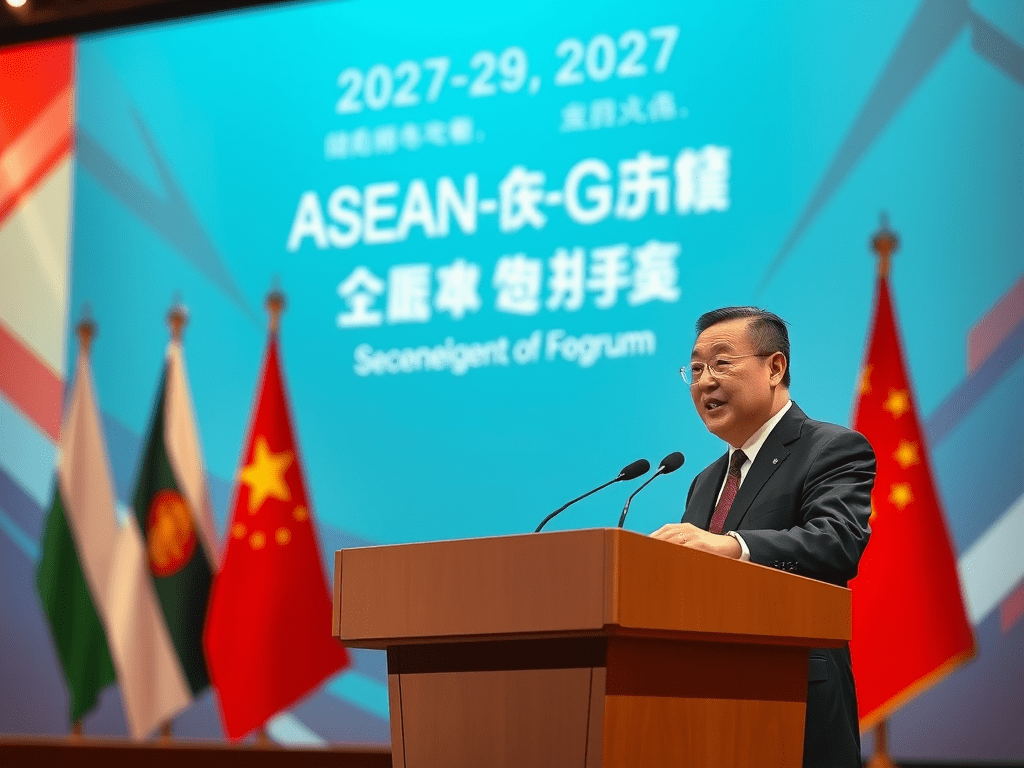
Highlights from Premier Li Qiang’s Speech at the ASEAN-GCC-China Economic Forum
At the ASEAN-Gulf Cooperation Council (GCC)-China Economic Forum, Chinese Premier Li Qiang delivered a compelling message focused on removing trade barriers, reviving multilateral cooperation, and mitigating the impact of rising protectionism. His remarks come at a time when global trade dynamics are being reshaped by geopolitical tensions and economic nationalism.
Key Themes from Li Qiang’s Address
1. Call to Remove Trade Barriers
Premier Li urged Southeast Asian and Gulf nations to dismantle existing trade barriers and adopt policies that promote greater economic openness. He emphasized that cooperation, not isolation, is the key to mutual growth and stability.
2. Defense of Economic Globalization
Li highlighted the unprecedented strain on global trade systems due to geopolitical frictions, asserting that economic globalization must be upheld. He reaffirmed China’s commitment to a rules-based multilateral trading system under the World Trade Organization (WTO).
3. Critique of U.S. Trade Policies
Without directly naming countries, Li referenced the negative consequences of former U.S. President Donald Trump’s trade war, particularly the tariff escalations that disrupted global supply chains. These actions, he suggested, have ripple effects that continue to affect the global economy.
4. Confidence in Chinese Economic Recovery
Despite external challenges, Li expressed confidence in China’s economic resilience, citing strong export performance and steady domestic demand as indicators of sustained recovery.
5. Record Fiscal Expenditure to Stimulate Demand
China plans to increase fiscal expenditure to a record level, focusing on measures that stimulate domestic consumption. This strategy aims to unleash internal demand potential and reduce dependence on external markets.
6. Importance of Multilateral Cooperation
Reiterating a longstanding Chinese policy stance, Li stressed the importance of multilateral cooperation. He warned that unilateralism and protectionist policies risk isolating economies and impeding long-term growth.
Key Effects of Protectionism on Global Trade
As part of the forum’s broader discussion, the detrimental effects of protectionism were laid out. The following table outlines how protectionist measures can hinder global economic stability:
| Effect | Description |
|---|---|
| Increased Prices | Tariffs and import quotas raise the cost of imported goods, reducing consumers’ purchasing power. |
| Trade Barriers | Tariffs and regulations limit the flow of goods, disrupting trade relationships. |
| Retaliation | Affected countries may impose counter-tariffs, escalating into trade wars. |
| Market Inefficiency | Reduced competition can lead to stagnation and inefficiencies in domestic markets. |
| Supply Chain Disruptions | Protectionist policies disrupt global supply chains and production schedules. |
| Economic Slowdown | Lower trade volumes can trigger a slowdown in global economic growth. |
| Resource Allocation | Domestic resources may be funneled to uncompetitive sectors, reducing overall efficiency. |
| Consumer Choice | Reduced import options limit consumer choices and affect satisfaction. |
| Global Relations | Trade tensions can damage diplomatic and geopolitical relationships. |
| Investment Withdrawal | Protectionism can deter foreign direct investment, stifling innovation and growth. |
Conclusion
Premier Li Qiang’s address at the ASEAN-GCC-China Economic Forum delivered a clear message: open markets and international cooperation are essential for economic recovery and sustained global growth. While protectionist policies may appear to offer short-term gains, they often lead to long-term inefficiencies, diplomatic strain, and reduced global competitiveness.
As the global economy faces rising uncertainty, Li’s call for multilateralism, open trade, and strategic fiscal policy is a timely reminder of the interconnected nature of modern commerce—and the shared responsibility to preserve its stability.


 Glottis Limited
Leave a comment