
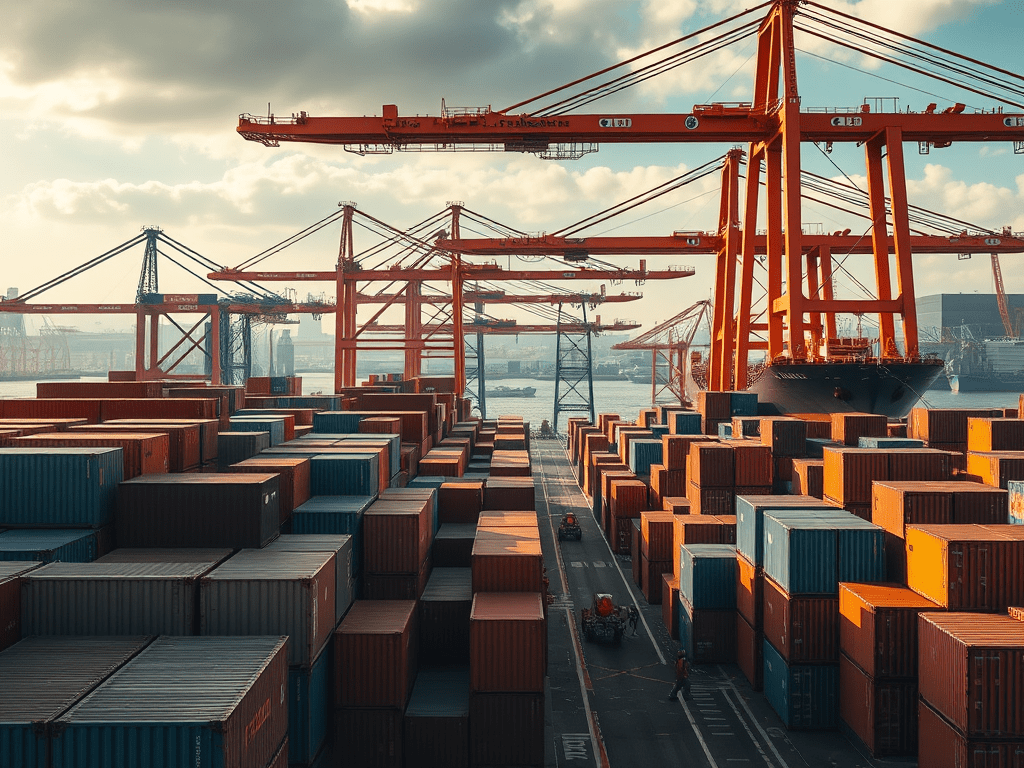
The global shipping industry is facing a sharp and sudden surge in freight rates, with spot prices for containers on major trade routes climbing dramatically in recent weeks. These increases, largely driven by tariff pauses, shipper urgency, and geopolitical uncertainty, have added new complexity to global trade dynamics.
This article examines the latest rate changes, reasons behind the surge, and the broader implications for businesses and supply chains worldwide.
📈 Key Shipping Rate Changes (as of June 2025)
| Trade Route | Latest Average Spot Rate (per FEU) | % Change | Previous Rate |
|---|---|---|---|
| Far East → U.S. East Coast | $6,100 | +88% (since May 3) | ~$3,244 |
| Far East → U.S. West Coast | $5,082 | +94% | $2,615 |
| Far East → North Europe | $2,704 | +32% (since May end) | ~$2,048 |
| North Europe → U.S. East Coast | $2,129 | +2% | $2,081 |
🔍 Top Drivers Behind the Rate Hikes
| Factor | Explanation | Implication |
|---|---|---|
| Tariff Pause | Temporary suspension of reciprocal tariffs between the U.S. and China has accelerated shipments. | Created urgent shipping demand, inflating spot market rates. |
| Shipper Urgency | Companies are willing to pay more to ensure timely deliveries amidst uncertain trade policies. | Short-term prioritization of goods over costs. |
| Capacity Crunch | Limited vessel availability and container shortages in key ports. | Pushed rates higher due to lower supply amid high demand. |
| Global Spillover | Rate hikes in the trans-Pacific are affecting North Europe and other trade lanes. | Broader supply chain disruptions and pricing instability. |
| Geopolitical Tensions | Ongoing instability in key regions, including Asia and Eastern Europe. | Heightened risks and rerouting of shipments increase operating costs. |
🌍 Implications of the Current Rate Volatility
| Implication Area | Details |
|---|---|
| Manufacturing & Retail | Margins will be squeezed as logistics costs rise, potentially passed to consumers. |
| Inventory Planning | Importers may face stock shortages or overstocking due to unpredictability. |
| Freight Forwarders | Increased complexity in rate negotiation, requiring real-time updates and adaptability. |
| Exporters in Asia | Might benefit in the short term due to favorable outbound rates, but risk losing competitiveness. |
| Global Trade | Rate volatility may destabilize long-term contracts and increase short-term spot dependence. |
⚙️ What Influences Shipping Rates?
| Factor | Effect on Shipping Rates |
|---|---|
| Supply & Demand | High demand with limited shipping supply leads to higher rates. |
| Fuel Prices | Rising bunker fuel costs directly raise shipping costs. |
| Port Congestion | Longer wait times and delays increase total freight costs. |
| Container Availability | Shortages inflate prices due to scarcity. |
| Regulatory Changes | Tariffs and environmental rules can raise operational expenses. |
| Geopolitical Instability | Disruptions reroute vessels and increase insurance, time, and fuel costs. |
| Route Shifts | Alternative longer routes increase transit time and cost. |
| Seasonality | Peak seasons (e.g., holidays, harvests) lead to rate surges. |
| Carrier Competition | Low competition among shipping lines allows for higher pricing power. |
| Global Economic Trends | Trade booms raise demand; downturns depress shipping activity and prices. |
🧭 What to Expect Going Forward
- Temporary Surge: Analysts suggest the current rate hikes are temporary, with expected normalization as capacity returns and inventory stabilizes.
- Caution for Contracting: Businesses relying on long-term freight contracts may need to renegotiate or build flexibility into agreements.
- Monitoring Tariffs & Policies: Close watch on trade policy changes—especially between the U.S. and China—will be crucial for forward planning.
✅ Conclusion
The global shipping industry is navigating a volatile phase. Driven by shifting trade policies, limited capacity, and strategic urgency, freight rates have spiked to multi-year highs. While the surge may be temporary, it exposes the fragility and interdependence of global supply chains.
Importers, exporters, and logistics professionals must remain agile—using real-time rate data, building flexible sourcing strategies, and hedging freight exposure to mitigate short-term volatility and ensure long-term resilience.




 Glottis Limited
Leave a comment