
As India advances toward becoming the world’s fourth-largest economy, German firms are intensifying their interest in India’s manufacturing and technological landscape. This growing synergy is driven by strategic, economic, and innovation-focused objectives that align with India’s emergence as a global industrial hub.
Key Drivers of Indo-German Manufacturing Collaboration
The collaboration between German companies and Indian industry is not merely transactional—it’s rooted in long-term strategic value creation across sectors. From green energy and pharmaceuticals to smart factories and semiconductors, German firms are aligning their future technology roadmaps with India’s rapidly expanding capabilities.
Major Developments in the Partnership
| Focus Area | Highlights |
|---|---|
| Growing Interest in India | German firms are actively scouting Indian partners as India nears fourth-largest economy status. |
| Technology Collaboration | Key sectors include green energy, semiconductors, and pharmaceuticals. |
| Smart Manufacturing | Indo-German Chamber of Commerce fosters cooperation on smart factories and innovation. |
| Market Attractiveness | India’s large talent pool and demand make it ideal for technology-intensive industries. |
| R&D and Scale | German firms value India’s research capabilities and market scale for exports. |
| Bilateral Trade Volume (FY24) | USD 26.10 billion; India’s exports: USD 9.83 billion; Imports from Germany: USD 16.27 billion. |
| Pending India-EU FTA | Companies await the Free Trade Agreement to boost trade facilitation and investment flow. |
| Government Initiatives | Push for FTA, Investment Protection Agreement, and GI Agreement under negotiation. |
Why India Now?
Three primary reasons explain the surge in German interest:
- India’s Domestic Growth: A large and steadily growing consumer market.
- Export Manufacturing Hub: India’s scale supports global distribution strategies.
- Innovation Capacity: Robust R&D ecosystem, especially in software, electronics, and biotech.
Strategic Implications
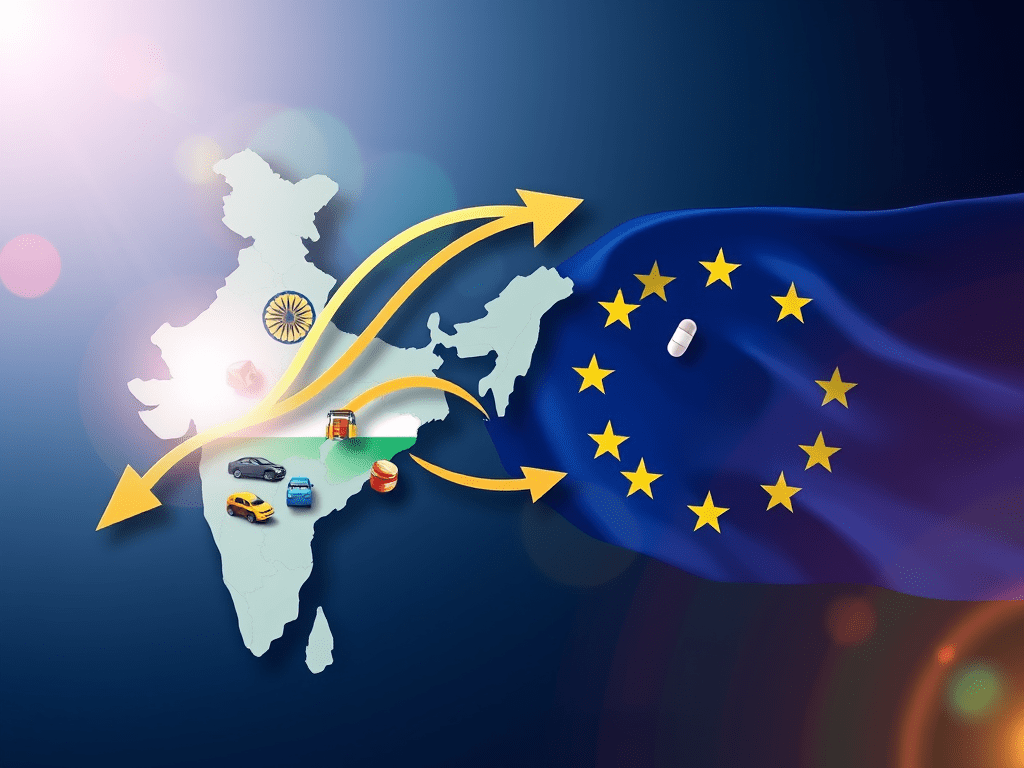
The anticipated Free Trade Agreement between India and the European Union will be a game changer, potentially reducing tariffs, enhancing IP protection, and encouraging cross-border investment. German firms, known for engineering excellence and automation, view India as not just a production base but also as a co-innovation partner.
Conclusion
The Indo-German manufacturing alliance is evolving from a transactional supplier-buyer relationship to a deep, strategic partnership. As global supply chains diversify and the demand for green and smart technologies rises, India is poised to become a cornerstone of Germany’s international industrial strategy.


 Glottis Limited
Leave a comment