
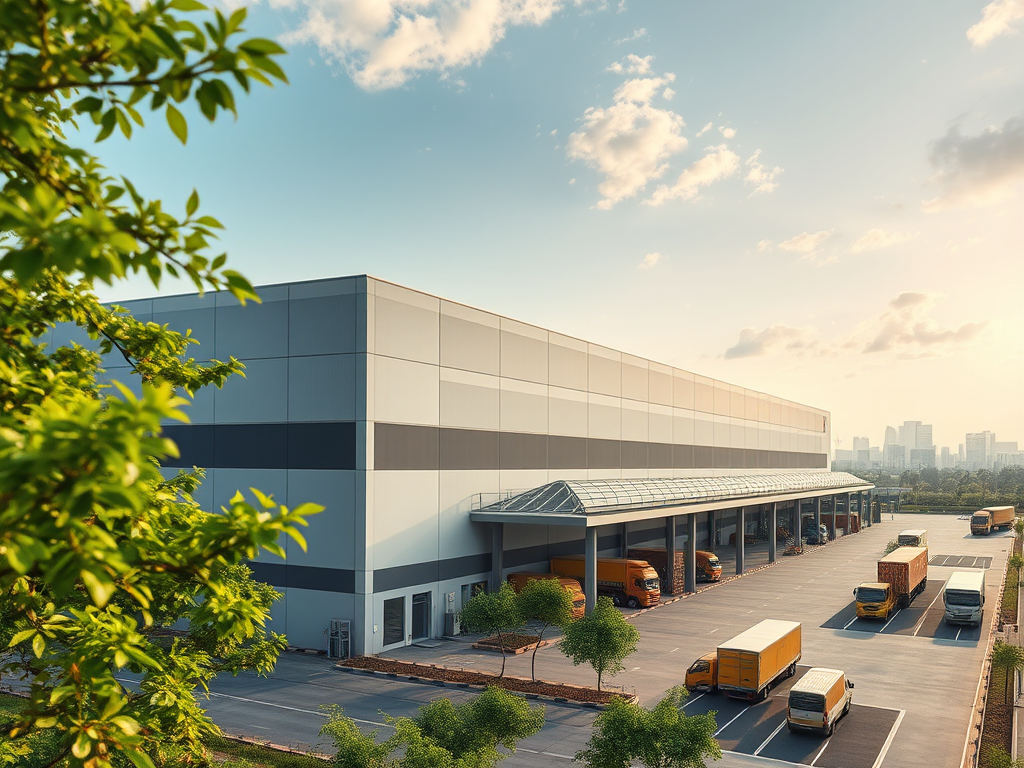
India’s warehousing sector has emerged as a powerful investment magnet in the past half-decade, fueled by the exponential rise of logistics, e-commerce, manufacturing, and retail. With a compound annual growth rate (CAGR) of 21% in Grade A warehouse stock over the last five years, the sector is undergoing a strategic transformation. Investors are now shifting their focus from quantity to quality, underpinned by a preference for tech-enabled, environmentally sustainable, and strategically located assets.
Key Highlights of the Indian Warehousing Sector
| Aspect | Details |
|---|---|
| Investment Focus | Grade A warehouses in top-tier cities |
| Growth Rate (CAGR) | 21% CAGR over the past 5 years |
| Warehouse Stock (2023–24) | ~183 million sq ft across 8 primary markets |
| Key Demand Drivers | Logistics, e-commerce, manufacturing, and retail |
| Technology Preference | Automation, warehouse management systems (WMS), IoT-enabled tracking |
| Sustainability Trend | High demand for green-certified and energy-efficient buildings |
| Challenges | High land costs, global economic volatility, infrastructure bottlenecks |
| Investor Sentiment Outlook | Cautiously optimistic, with a shift toward long-term value and asset quality |
1. Emergence as a High-Value Investment Segment
Over the last 4–5 years, warehousing in India has matured into a structured investment destination. The surge is led by demand across verticals such as last-mile delivery, urban logistics, and just-in-time manufacturing, making warehouse capacity and capability a strategic necessity.
2. Selective Investment in Grade A Assets
Investors are becoming increasingly selective, showing strong interest in Grade A warehouses that meet global benchmarks in terms of ceiling height, flooring, safety, and loading infrastructure. These assets, mainly located in metro cities and upcoming industrial corridors, are considered more resilient and adaptable to automation.
3. Tech-Enabled and Green Infrastructure Take Center Stage
Warehouses are evolving from simple storage spaces to technology-driven smart hubs. Modern investors now demand features like:
- Automated material handling systems
- IoT-based inventory tracking
- Energy-efficient designs
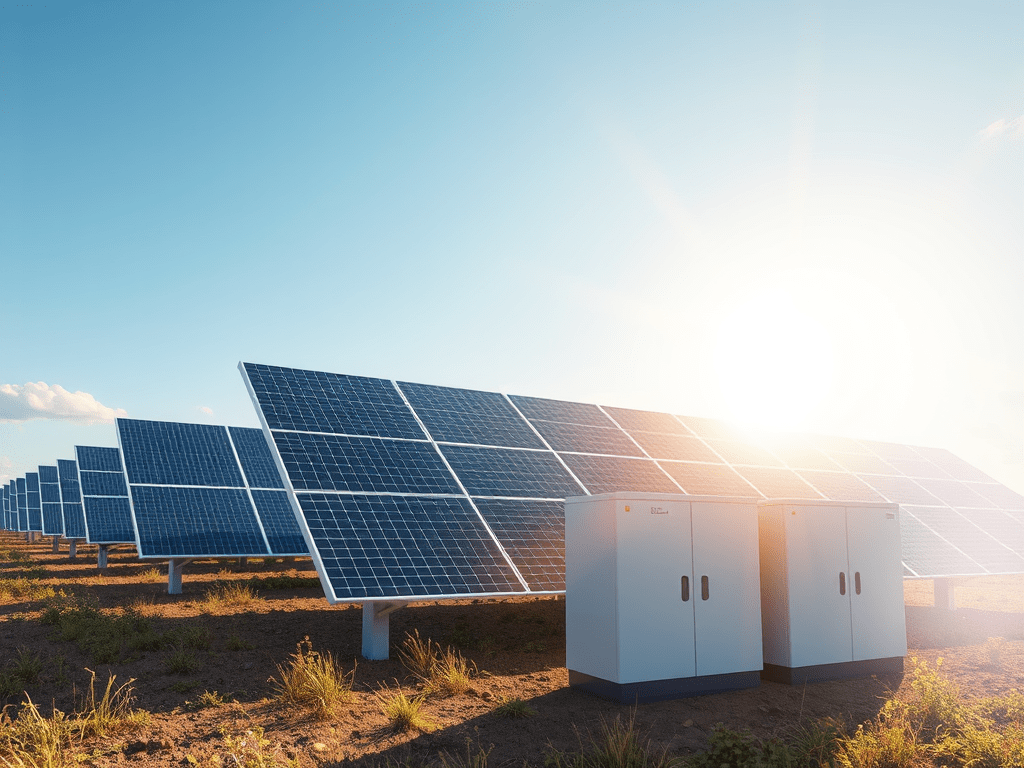
- Solar panels and rainwater harvesting systems
This aligns with ESG (Environmental, Social, and Governance) criteria, which is gaining prominence in investment decision-making.
4. Challenges Prompting Strategic Recalibration
While the sector is thriving, investors face land acquisition hurdles, rising land prices, and macroeconomic headwinds from global slowdowns or inflationary pressure. As a result, a more cautious and calculated approach is being adopted, particularly in Tier 2 and Tier 3 markets.
5. Path Ahead: Stable Yet Strategic Growth
Experts foresee a stabilization phase, where warehouse investments will slow from rapid expansion to measured growth, focusing on asset quality over volume. The market is no longer speculative—it’s strategic.
Conclusion
India’s warehousing industry is transitioning from a nascent sector to a mature investment class. With rising investor sophistication, focus on Grade A assets, and alignment with sustainability and tech trends, the sector is poised for long-term relevance in the country’s economic and supply chain frameworks.
This is not just storage—it’s smart infrastructure for the new India.



 Glottis Limited
Leave a comment