
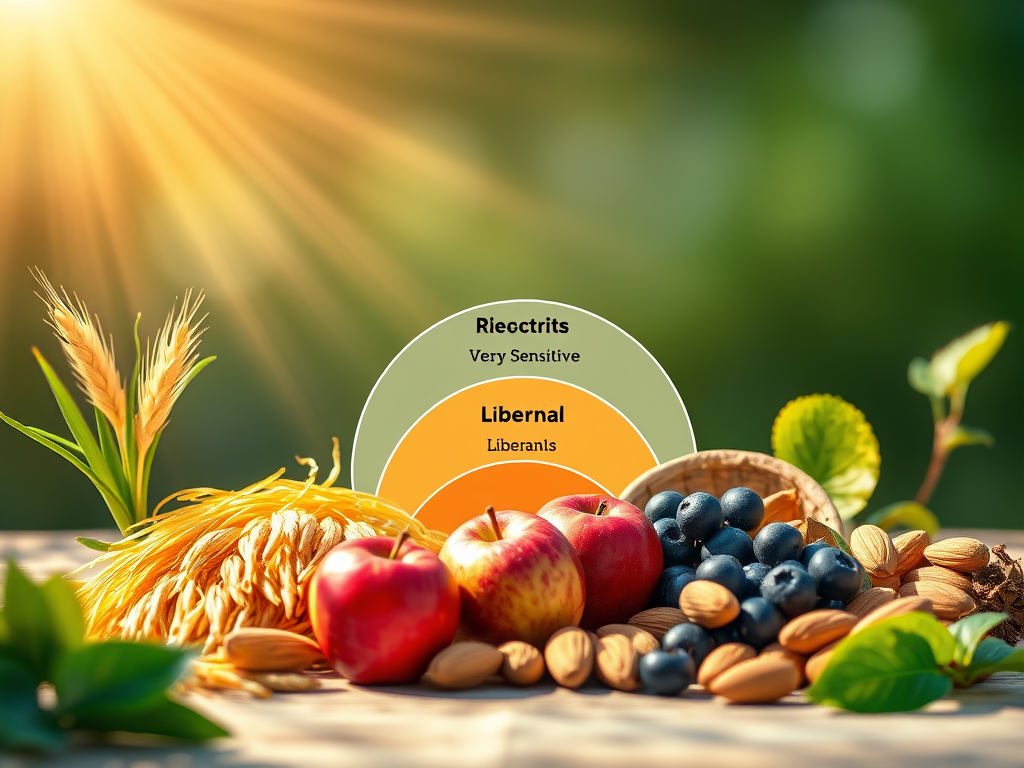
In the context of deepening trade relations with the United States, India has adopted a tiered approach in its agricultural tariff negotiations, seeking to balance international diplomacy with domestic political and food security priorities.
The categorization of agricultural commodities into three strategic tiers — Non-Negotiable, Very Sensitive, and Liberal — signals New Delhi’s intent to safeguard critical farming sectors while selectively opening up to less sensitive imports.
Key Highlights of India’s Agricultural Tariff Strategy
| Tier | Commodity Type | Negotiation Approach | Remarks |
|---|---|---|---|
| Non-Negotiable | Rice, Wheat | No tariff concessions | Critical for food security and large farmer base |
| Very Sensitive | Apples | Limited, conditional concessions | Politically sensitive in Himachal Pradesh, Uttarakhand |
| Liberal | Almonds, Blueberries | Open to tariff reduction or relaxed import restrictions | Less politically sensitive, potential for strategic trade-offs |
| GMOs & Biofuels | Genetically modified corn, ethanol for fuel | Import prohibited despite biofuel goals | Reflects India’s caution on GMOs and focus on domestic sustainability |
Strategic Objectives Behind the Categorization
- Protecting Staples:
- Rice and wheat, which ensure food security for India’s massive population, are shielded from external competition.
- These are produced by millions of small and marginal farmers and form the backbone of the Public Distribution System (PDS).
- Safeguarding Political Interests:
- Apples and other regionally significant crops are part of the “Very Sensitive” list. States like Himachal Pradesh and Uttarakhand, where apple farming plays a major role in the rural economy, are politically influential in trade policymaking.
- Balancing Global Trade Goals:
- Commodities such as almonds and blueberries, typically grown in the U.S., fall under the Liberal tier, offering space for concessions as part of broader trade negotiations.
- Non-Tariff Barriers on GMOs:
- India maintains a strict prohibition on genetically modified corn and ethanol imports, even as it aims to expand biofuel usage. This reflects environmental and consumer safety concerns.
Implications for Trade and Agriculture
- Domestic Assurance: The approach is aimed at protecting India’s farmers, especially in politically sensitive and food-critical zones.
- Global Signal: It sends a message that India is open to trade, but not at the expense of core domestic priorities.
- Future Negotiations: The liberal category commodities could act as bargaining chips in upcoming trade deals with the U.S. and other global partners.
Conclusion
India’s methodical and tiered agricultural tariff strategy with the U.S. highlights a clear intent: safeguard the vulnerable, negotiate on the flexible. By categorizing commodities into negotiable and non-negotiable sectors, New Delhi aims to strike a balance between global integration and domestic resilience.
As trade talks progress, stakeholders on both sides will need to carefully align economic opportunity with social sensitivity, ensuring that the spirit of cooperation does not undercut the livelihoods of millions tied to India’s agricultural backbone.




 Glottis Limited
Leave a comment