
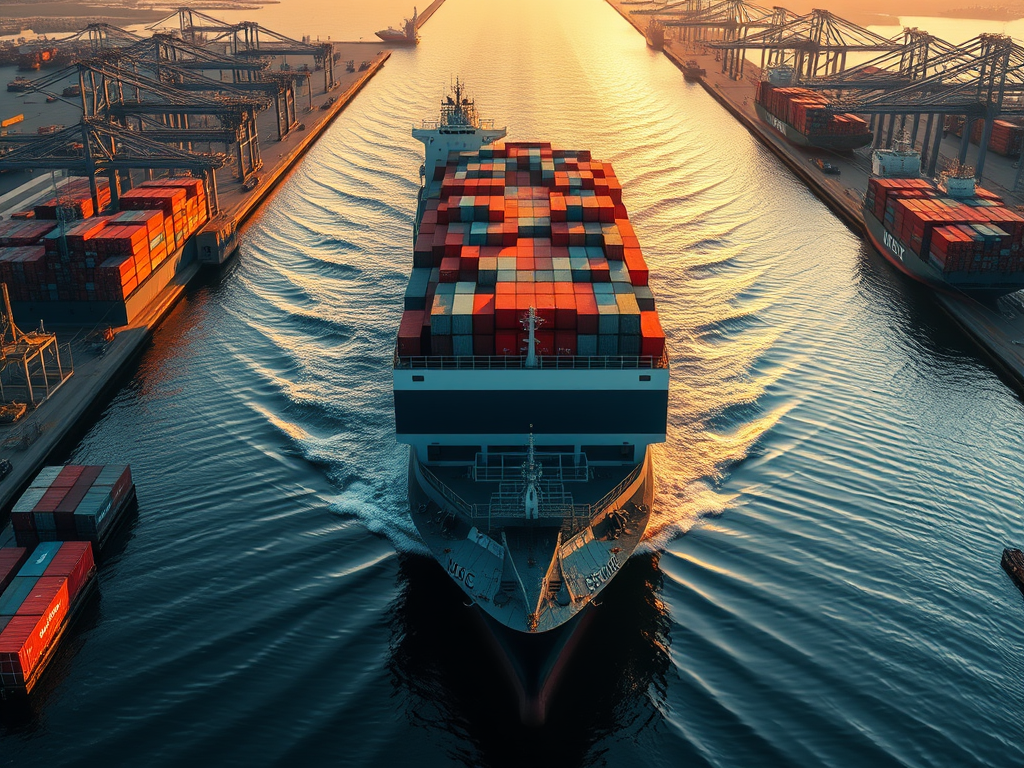
A landmark deal involving the sale of two strategic ports near the Panama Canal to a consortium led by the Mediterranean Shipping Company (MSC) has stirred fresh concerns over the neutrality and competitiveness of the world’s most vital maritime chokepoint.
Ricaurte Vásquez, the Administrator of the Panama Canal Authority (ACP), has sounded the alarm, warning that the canal’s founding principle of operational neutrality could be undermined if one shipping line gains outsized control over regional port capacity.
⚠️ Centralized Control and Strategic Risks
The primary concern is that the concentration of port operations under MSC, the world’s largest container carrier, may create a bottleneck in terms of accessibility and fair competition. The fear is that other carriers could be disadvantaged, which would reduce Panama’s attractiveness as a neutral logistics hub and trade conduit.
MSC’s move is part of a broader $22.8 billion acquisition of 43 port terminals worldwide, which could make it the largest terminal operator globally — a position traditionally reserved for independent port entities.
🧭 Geopolitical Undertones and Regulatory Reactions
The acquisition is also entangled in global geopolitical concerns, especially from the United States. Former President Donald Trump publicly commented on the deal, framing it as a strategic push to reduce Chinese influence in the Panama region — a notable shift given earlier concerns about Chinese control over infrastructure near the canal.
Interestingly, the consortium was originally led by BlackRock, the U.S.-based investment giant, but MSC later emerged as the principal investor. Meanwhile, Chinese regulatory bodies have taken a keen interest in the acquisition, reviewing it for antitrust implications due to its global scale.
🏗️ Strategic Response by Panama Canal Authority
Amid growing scrutiny, Vásquez has suggested that the Panama Canal Authority could re-enter terminal operations by reviving a previously shelved project to build a terminal at the Port of Corozal, located on the Pacific side of the canal. This move could provide a counterbalance to MSC’s growing presence and help maintain neutrality.
📊 Key Facts: MSC Port Acquisition Near Panama Canal
| Aspect | Details |
|---|---|
| Entities Involved | MSC-led consortium; initially BlackRock-led |
| Deal Value | $22.8 billion (for 43 global port terminals) |
| Ports in Focus | Two ports near the Panama Canal |
| Key Concern | Neutrality and competitiveness of the Panama Canal |
| Statements by Canal Head | Warns of capacity concentration and calls for revival of Corozal terminal |
| Geopolitical Angle | U.S. sees move as counter to Chinese influence in Latin America |
| Regulatory Watchdogs | Chinese authorities reviewing for antitrust concerns |
| Proposed Response by Panama | ACP may develop its own terminal on the Pacific side |
🌍 Broader Implications
The MSC acquisition raises important questions about shipping line integration, infrastructure control, and the balance of power in global maritime logistics. With the Panama Canal serving as a strategic lifeline for global trade, especially between the Atlantic and Pacific Oceans, the outcome of this deal could influence shipping routes, carrier dynamics, and regional politics for years to come.



 Glottis Limited
Leave a comment