

Amid escalating tensions between Israel and Iran, Indian exporters are bracing for a significant increase in logistics costs and trade route disruptions. From air route closures to Red Sea shipping line delays, the situation is compelling businesses to revisit their strategies and cost structures.
Key Trade Impact Overview
| Aspect | Details |
|---|---|
| Expected Logistics Cost Rise | 15–20% increase anticipated for Indian exporters |
| Air Route Disruptions | Closures over Pakistan and Iran pushing up air cargo costs |
| Fuel Price Surge | Rising global fuel costs impacting sea freight rates |
| Shipping Route Disruptions | Trade through Red Sea and Suez Canal facing uncertainties |
| India-Israel Trade FY25 | Exports: $2.1 billion; Imports: $1.6 billion |
| India-Iran Trade FY25 | Exports: $1.2 billion; Imports: $441.9 million |
| Affected Commodity | Supply of rough diamonds from Israel under pressure |
| Export Opportunities | Continued exports of cut & polished diamonds still feasible |
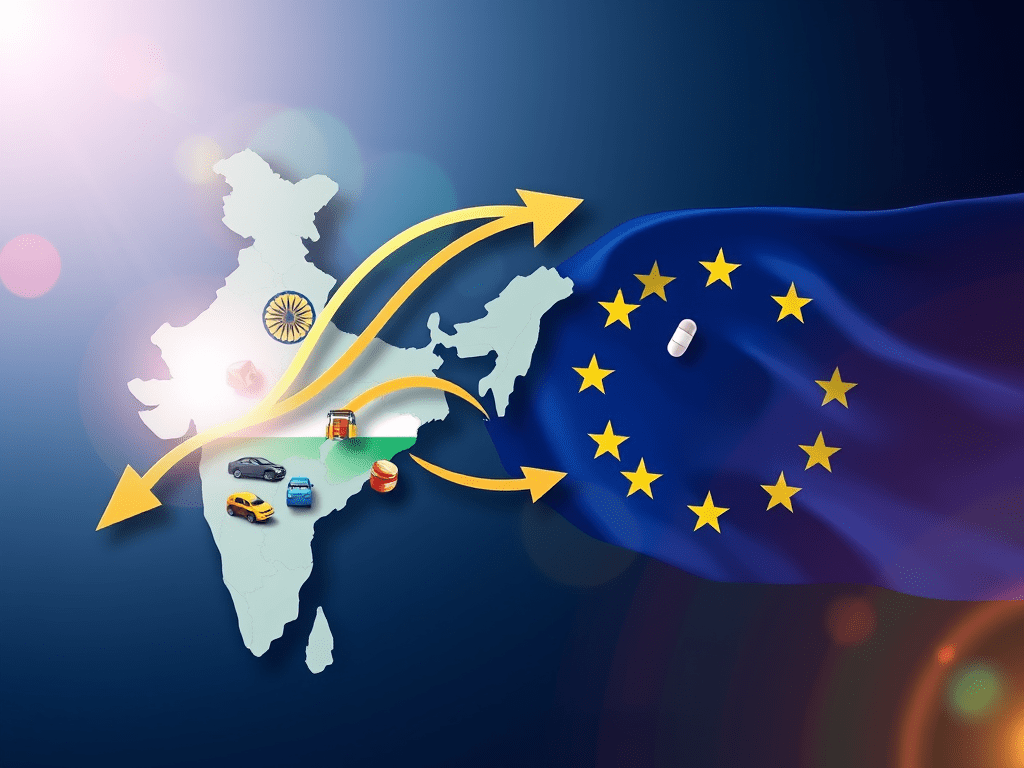
| Trade Dependency | ~80% of India’s merchandise exports to Europe and significant to US use vulnerable routes |
| FY26 Projection | India’s goods & services exports could cross $900 billion, despite challenges |
Strategic Response by Indian Exporters
To mitigate these emerging risks and rising costs, Indian exporters are adopting a combination of cost control, efficiency optimization, and strategic realignment:
1. Diversifying Supply Chains
- Reducing reliance on affected regions by sourcing from alternative countries and opening trade to new global markets.
2. Negotiating Better Contracts
- Proactively engaging with shipping lines and suppliers to lock in favorable freight rates and terms ahead of market volatility.
3. Improving Operational Efficiency
- Streamlining logistics operations, reducing turnaround time, and integrating tech-based real-time visibility solutions.
4. Investing in Technology
- Using predictive analytics, inventory management, and supply chain software to gain cost and performance efficiency.
5. Switching to Multimodal Transport
- Leveraging sea-rail-road combinations to bypass high air freight costs and enhance overall logistics resilience.
6. Adjusting Pricing Strategies
- Reassessing price points and cost-sharing with international clients where feasible to preserve profit margins.
7. Focusing on High-Value Markets
- Prioritizing countries or customers offering better return on investment, reducing focus on low-margin territories.
8. Building Inventory Buffers
- Increasing stock reserves to buffer against potential shipment delays or cost spikes.
9. Strengthening Logistics Partnerships
- Deepening ties with freight forwarders, 3PLs, and shipping agents to ensure preferential service levels and rates.
10. Seeking Government Support
- Engaging with export promotion councils, leveraging incentives and requesting policy assistance to mitigate risks.
Outlook
While the geopolitical instability in West Asia poses substantial risks, Indian exporters are demonstrating remarkable agility in tackling cost escalations and supply chain uncertainties. If the current strategies are scaled smartly, and if government support aligns with exporter needs, India’s trade ambitions remain within reach, including the $900 billion export target for FY26.


 Glottis Limited
Leave a comment