
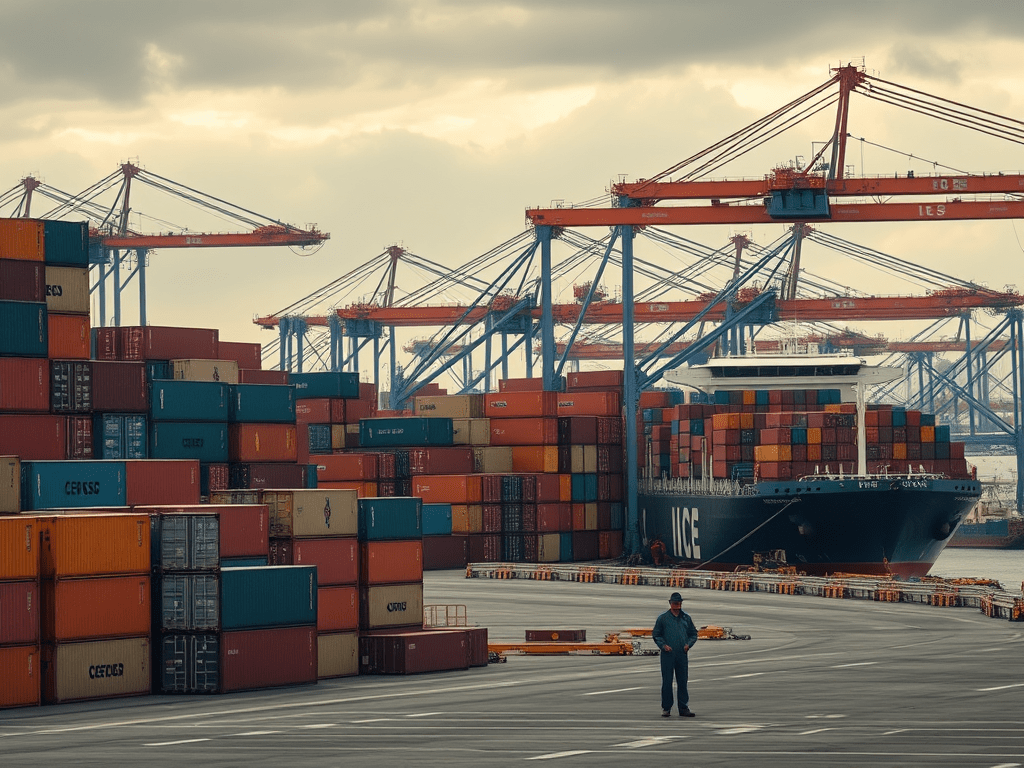
The global trade and freight landscape is showing signs of a slowdown in 2025, as key indicators reflect weakening demand, constrained supply chains, and broader economic challenges. Data from ports, shipping lines, and trade patterns suggest a contraction in global trade activity, raising concerns across the logistics ecosystem.
Key Indicators of the Freight Slowdown
| Indicator | Current Trend | Implication |
|---|---|---|
| Freight Orders | Significant decline | Lower shipping volumes and cargo movement |
| Empty Container Exports | Decreased | Weak forward demand for goods |
| Blank Sailings (through Aug) | 49 blank sailings | Reduced frequency of port calls |
| Port of Los Angeles Activity | -5% YoY in container units | Declining U.S. import activity |
| Labor Availability | At risk due to reduced traffic | Fewer job opportunities for longshore workers |
Declining Freight Orders and Container Movement
Freight orders are declining sharply as global consumption softens. Compounding this, the export of empty containers, which acts as a forward indicator of demand recovery, has also dropped. This suggests that there is no immediate rush by importers to replenish inventories, confirming persistent weak demand.
During the COVID-19 pandemic, ports rushed to return empty containers to Asia to meet demand. However, in 2025, this trend has reversed, indicating a stabilization—or stagnation—in trade flows.
Rise in Blank Sailings
Carriers have canceled 49 sailings through August 2025. Known as “blank sailings,” these are scheduled voyages canceled by carriers due to low cargo volume, often bypassing ports entirely.
This tactic helps carriers maintain rates and reduce operational costs, but also points to the underutilization of global shipping capacity.
Port Activity Weakens
The Port of Los Angeles, a major gateway for U.S.-Asia trade, has reported a 5% year-on-year decline in container units processed. The decrease is even more pronounced in the import segment, reflecting diminished American demand for Asian goods, and raising concerns about regional economic health.
Labor Concerns Mount
As container volumes fall, dockworkers and longshore unions are facing reduced work hours and job insecurity. Labor productivity is directly tied to port throughput, making this slowdown a critical issue for unionized workforces across North America and Europe.
Tariff and Trade Deal Impact
Trade frictions between the U.S. and China—especially tariffs imposed during the past decade—continue to suppress imports. Unless these tariffs are eased or revised, trade volumes will remain constrained, especially in electronics, machinery, and consumer goods.
Ripple Effect Across Supply Chain
The reduced movement of containers is also impacting:
- Trucking Companies: Less volume means lower demand for inland transportation.
- Rail Freight: Intermodal traffic has slowed down due to fewer import-export shipments.
- Warehouses: Inventory turnover is reduced, straining warehouse economics and labor schedules.
Conclusion: Navigating a Fragile Freight Future
The current state of global freight underscores a fragile and complex trade environment. From blank sailings to tariff constraints and reduced port throughput, 2025 is shaping up as a year of caution for logistics and supply chain stakeholders.
To stay resilient, industry players must:
- Monitor demand cycles more closely
- Adapt to changing port schedules and shipping patterns
- Reassess cost structures and labor strategies




 Glottis Limited
Leave a comment