
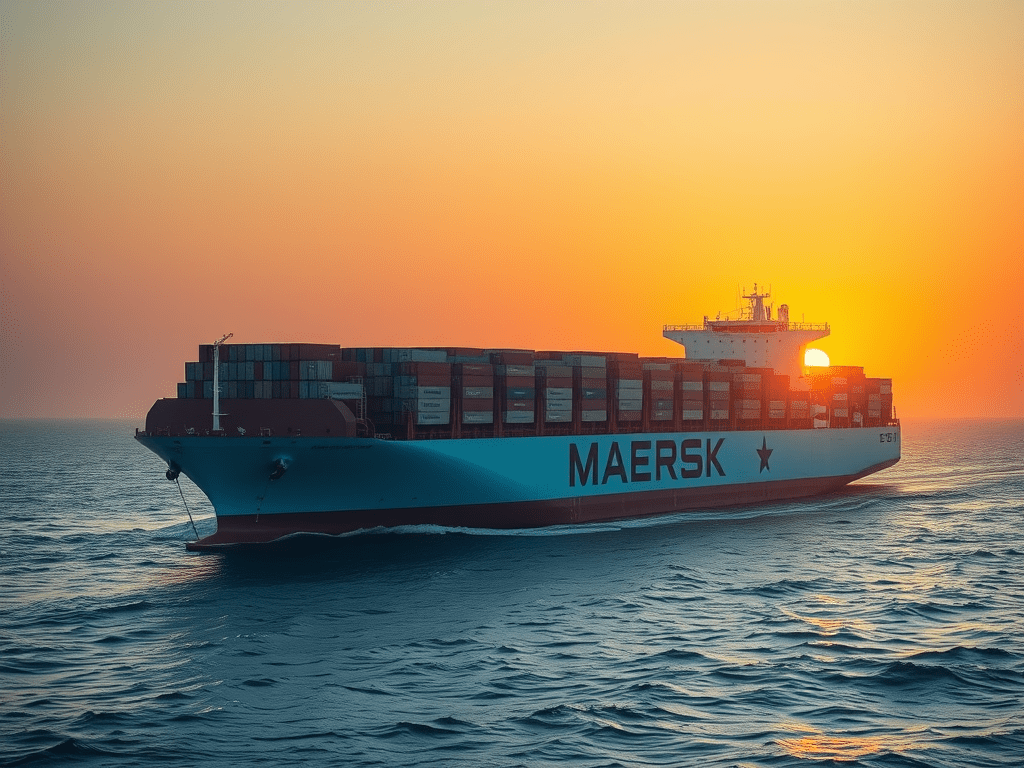
Global shipping giant Maersk has announced it will sever business relationships with companies operating in or supporting illegal Israeli settlements in the occupied West Bank, marking a significant step influenced by human rights activism and international legal standards.
The decision follows sustained pressure from groups such as the Palestinian Youth Movement (PYM) and aligns with data maintained by the UN Office of the High Commissioner for Human Rights (OHCHR). The move signals growing scrutiny over corporate supply chain ethics in conflict regions.
Key Developments at a Glance
| Key Point | Details |
|---|---|
| Maersk’s Commitment | Ceasing operations with firms associated with illegal Israeli settlements in the West Bank. |
| Activist Pressure | Driven by campaigns from the Palestinian Youth Movement (PYM), which targeted Maersk’s ties to Israeli military-linked shipments. |
| Updated Screening Procedures | Maersk now aligns its screening with the OHCHR database of entities involved in settlement activities. |
| Scope of Israeli Settlements | Over 100 settlements in the West Bank, housing ~500,000 settlers; deemed illegal under international law. |
| Ongoing Criticism from PYM | Activists allege Maersk continues to move military equipment for Israel, including F-35 fighter plane components. |
| Precedent from Spain | In 2023, Spain barred Maersk ships carrying military goods to Israel from using its ports. |
| Maersk’s Due Diligence Policy | Claims to avoid shipping arms to active conflict zones and conduct conflict-sensitive due diligence, yet still supports the F-35 supply chain. |
| Global Industry Implications | Activists warn global logistics companies must comply with international law and human rights standards or face reputational consequences. |
Broader Context and Implications
The West Bank settlements are considered a violation of international law under the Fourth Geneva Convention, yet they continue to expand. Maersk’s decision reflects increasing corporate accountability pressures, especially in the logistics and defense-related supply chain.
Although Maersk asserts a policy of neutrality and ethical due diligence, the continued movement of defense equipment linked to Israel has kept it under scrutiny.
This case highlights a growing trend: multinational corporations, particularly in logistics, are now being evaluated not only on commercial performance but also on ethical and legal compliance in conflict zones. Stakeholder activism, international norms, and government actions like Spain’s port restrictions are shaping the operational frameworks of industry leaders.


 Glottis Limited
Leave a comment