

Adani Logistics, a key player in India’s integrated transport infrastructure, has launched its first double stack rail service connecting Tumb (Vapi, Gujarat) with Patli (Haryana). This move signifies a strategic step toward enhancing freight efficiency, reducing logistics costs, and supporting sustainable transport practices across India.
The initiative is designed to strengthen supply chain linkages between western manufacturing hubs in Gujarat and the northern consumption markets. With multimodal connectivity gaining momentum under India’s Gati Shakti mission, this rail service also plays a vital role in enabling seamless cargo movement.
Key Developments and Strategic Highlights
| Focus Area | Details |
|---|---|
| New Rail Service | First double stack rail connection from Tumb (Vapi) to Patli (Haryana) |
| Purpose | Improve cargo efficiency, reduce cost and emissions, and support industries |
| Emission Reduction | Up to 30% lower emissions per container |
| Targeted Industries | Textiles, Pharmaceuticals, Electronics, Chemicals |
| Cost Reduction Goal | Align with India’s aim to lower logistics cost from 14% to under 10% of GDP |
| Strategic Infrastructure | Expansion of multimodal parks, ICDs, and warehouses |
| Upcoming Events | India Warehousing Show, and projects like “Codename: The One” by Shriram Properties in Bengaluru |
Boost to Indian Logistics and Manufacturing
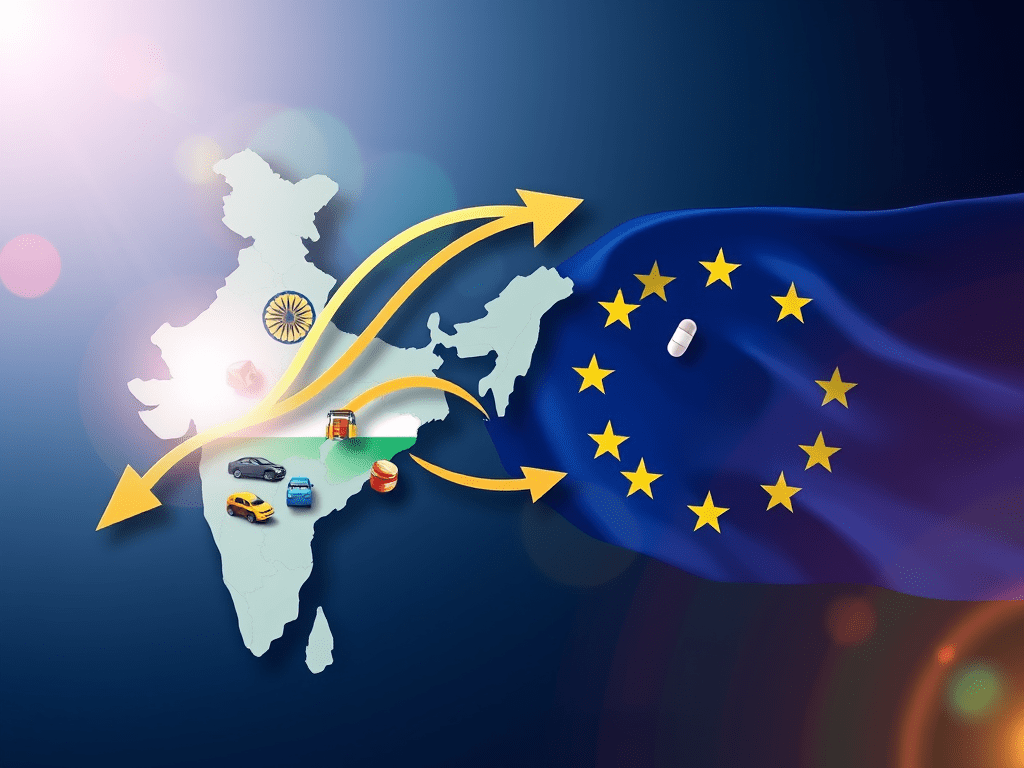
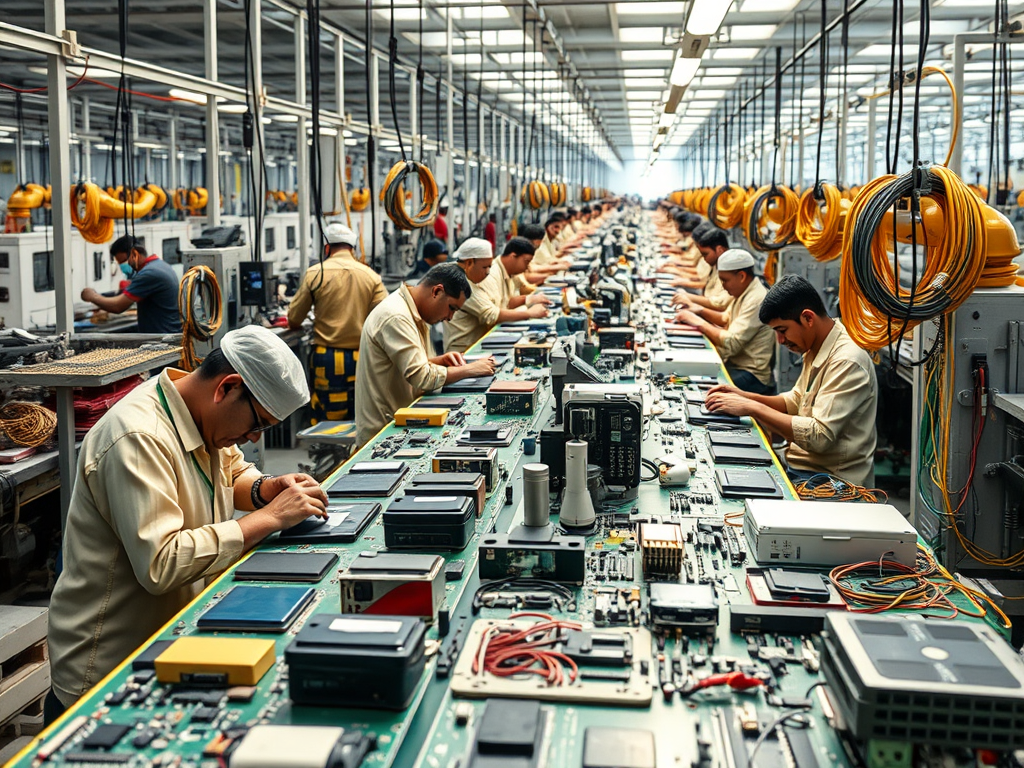
The double stack rail initiative contributes to India’s ambitious logistics modernization drive, aiming to make Indian exports more competitive through reduced costs and improved reliability. Such services directly support the needs of fast-growing sectors like pharmaceuticals and electronics, which depend on reliable and scalable supply chain solutions.
Conclusion
Adani Logistics’ latest move is a testament to the growing importance of rail-based multimodal transport in India. As private sector leaders invest in green and efficient logistics, the ripple effect will be felt across manufacturing, warehousing, and export-oriented sectors. It also underscores how infrastructure-led development can serve both economic and environmental goals, bringing India closer to global standards in freight efficiency.


 Glottis Limited
Leave a comment