

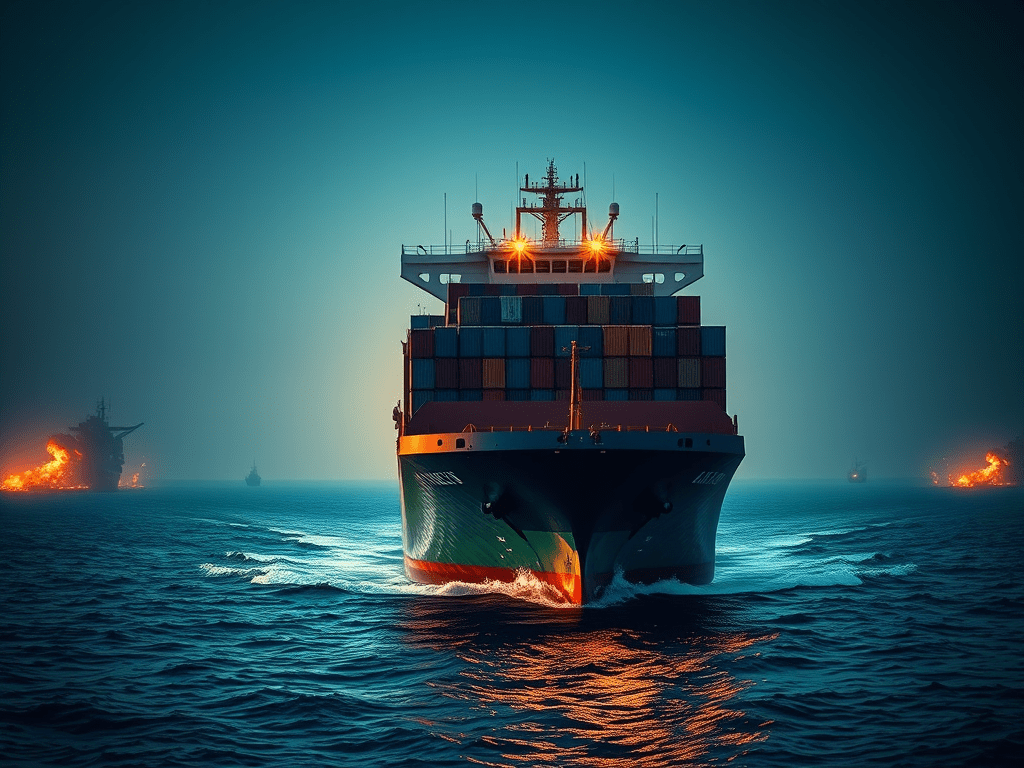
India’s ambitions to become a global leader in shipbuilding have received a strategic boost through a transformative partnership between HD Korea Shipbuilding & Offshore Engineering (KSOE) and Cochin Shipyard Limited (CSL). As part of India’s maritime vision, this collaboration is set to reshape the country’s presence in the global shipbuilding arena—currently under 1%—and move it toward becoming a top 5 shipbuilding nation by 2047.
A Strategic Collaboration to Accelerate Growth
The Memorandum of Understanding (MoU) between KSOE, one of the world’s largest shipbuilders, and CSL, India’s leading public sector shipyard, marks a significant milestone. Through this partnership, India will gain access to:
- Advanced ship design and automation
- Eco-friendly technologies
- Efficient project execution models
This is not just a commercial agreement but a strategic alliance aimed at upskilling India’s maritime workforce and strengthening industrial infrastructure, enabling India to compete with global shipbuilding giants like China, South Korea, and Japan.
Key Enablers: Location, Policy, and Vision
India’s 7,500 km long coastline and its proximity to major global trade routes provide geographical advantages for setting up shipbuilding, repair, and recycling hubs.
The Indian government has shown strong intent in reviving this sector by:
- Launching a ₹25,000 crore Maritime Development Fund
- Offering 30% subsidies on construction costs for green ships
- Pushing the Maritime India Vision 2030 and Amrit Kaal Vision 2047
These policy pushes aim to make Indian shipyards globally competitive while promoting sustainable, environmentally responsible practices.
Why This Matters: Strategic, Economic & Environmental Stakes
India depends on foreign-flagged vessels for over 95% of its trade volume, making the economy vulnerable to global shipping disruptions. Strengthening the domestic shipbuilding ecosystem is expected to:
- Reduce logistical costs and foreign dependency
- Generate large-scale employment
- Stimulate ancillary industries, including steel, electronics, logistics, and maritime services
It also supports India’s vision of a $5 trillion economy, creating a multiplier effect across sectors.
Summary: Key Elements of the India–Korea Shipbuilding Alliance
| Area | Details |
|---|---|
| Current Global Share | <1% of global shipbuilding market |
| Strategic Partners | HD Korea Shipbuilding & Offshore Engineering (KSOE) and Cochin Shipyard Limited (CSL) |
| Goal by 2030 | Enter the Top 10 global shipbuilding nations |
| Vision for 2047 | Be among the Top 5 global players |
| Technologies Introduced | Advanced ship design, green shipbuilding, automation, project execution best practices |
| Government Support | ₹25,000 crore fund, 30% subsidies on green ships, Maritime Vision 2030 initiatives |
| Economic Impact | Job creation, reduced shipping costs, GDP multiplier across industries |
| Environmental Goals | Adoption of eco-friendly vessels to comply with global emission norms |
| Geopolitical Importance | Reducing reliance on foreign shipping; positioning India as a global maritime manufacturing hub |
Conclusion: Building Ships, Shaping the Future
The partnership between KSOE and CSL is not just about building ships—it’s about building capabilities, confidence, and a new global identity for India in the maritime sector. With the right mix of foreign technology, domestic capacity, and strong policy backing, India’s shipbuilding sector is finally set to sail into its golden era.


 Glottis Limited
Leave a comment