
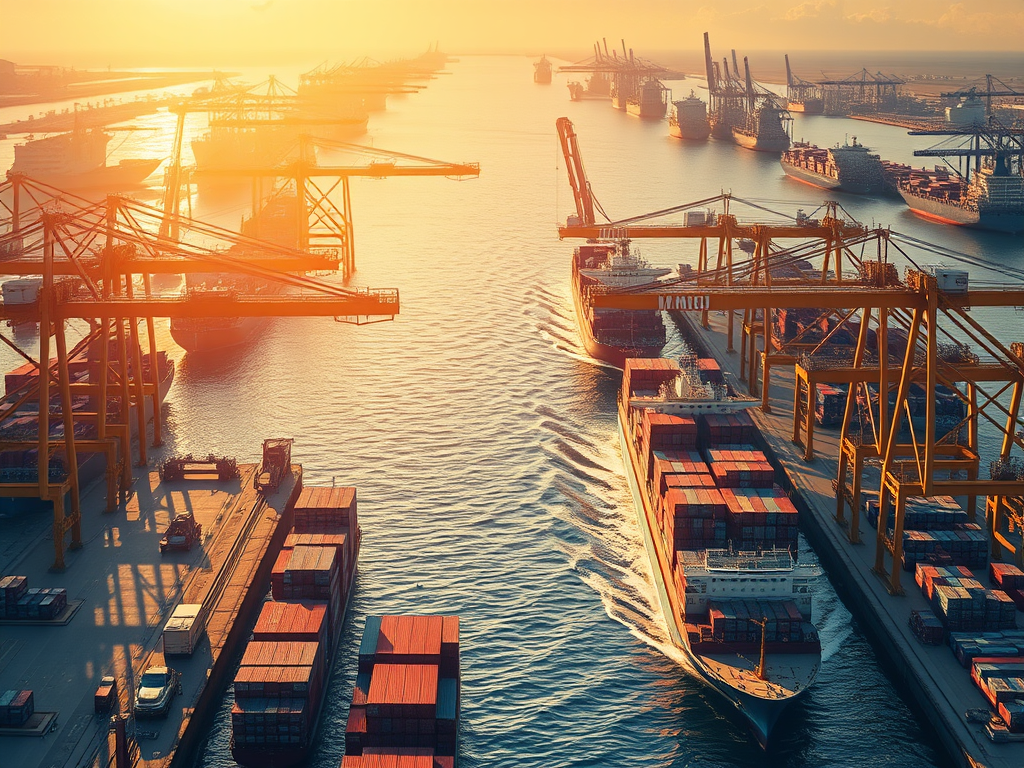
A proposed $23 billion deal to transfer control of two strategic ports flanking the Panama Canal is emerging as a defining development in global trade, security, and diplomacy. The deal, involving the transfer of port assets from Hong Kong-based CK Hutchison to BlackRock (USA) and MSC (Swiss-Italian shipping firm), reflects more than just commercial realignment—it’s a geopolitical inflection point with ramifications extending across continents.
Deal Snapshot & Key Stakeholders
| Aspect | Details |
|---|---|
| Deal Value | $23 billion |
| Current Owner | CK Hutchison (Hong Kong) |
| Prospective Buyers | BlackRock (U.S.) and MSC (Swiss-Italian shipping line) |
| Strategic Locations | Two ports at either end of the Panama Canal |
| Global Reach | Deal includes 41 ports across 22 countries |
| Deal Deadline | July 27, 2025 – expected conclusion of negotiations |
Strategic and Geopolitical Implications
| Implication | Description |
|---|---|
| Strategic Control Over Trade Routes | Ports near the Panama Canal control vital transshipment routes between the Pacific and Atlantic Oceans. |
| Shift in Global Power Balance | Transfer from Chinese-owned entity to Western firms counters China’s influence in global logistics. |
| US-China Rivalry Intensifies | The U.S. and China see the ports as key assets in their geopolitical tug-of-war. |
| Military and Naval Considerations | Ports may offer enhanced naval access and presence in the Caribbean and Pacific for Western allies. |
| Supply Chain Security | Western control may improve reliability for U.S. and European supply chains amidst global uncertainty. |
| Regional Influence in Latin America | China’s pushback underscores its ambitions in Central America; the U.S. may seek to reassert dominance. |
| Alliance Realignments | Nations may reassess alignments with the U.S. or China based on port ownership and investment flows. |
| Expanded Investment Scope | 41 additional ports in 22 countries make this a globally consequential shift in maritime infrastructure. |
Geopolitical Context: A New Global Trade Chessboard
The control of Panama Canal ports isn’t merely a logistics transaction—it is strategic power projection. These ports serve as gateways for over 5% of global maritime trade, and their operational authority influences the flow of energy, manufactured goods, and raw materials.
- China’s Stake: As the Belt and Road Initiative (BRI) expanded China’s global port presence, deals like this threaten to chip away at that influence.
- The U.S. Objective: Regaining logistical influence in the Western Hemisphere is key to countering Chinese economic and strategic maneuvers.
- Europe’s Role: With MSC’s involvement, European maritime interests become part of the balancing act.
Regional and Global Impacts
| Region | Possible Implications |
|---|---|
| Latin America & Caribbean | Increased geopolitical competition, with potential military and diplomatic spillovers |
| Europe | Strengthened shipping reliability through MSC; possible divergence from Chinese routes |
| Asia-Pacific | Possible recalibration of BRI port strategies by China |
| Global Supply Chains | Port control realignment could influence cargo routing, port investment, and transshipment strategies |
Timeline & Outlook
- By July 27, 2025: Negotiations are expected to conclude, with either a finalized transfer or renewed geopolitical dispute.
- Post-Deal Period: Expect heightened naval, diplomatic, and investment activity around Panama and other affected ports.
Conclusion
The Panama Canal ports deal is more than a commercial transaction—it’s a geopolitical watershed moment. As the U.S. and its allies attempt to rebalance influence away from Chinese control, the outcome of this deal could reshape maritime trade, military logistics, and diplomatic alignments. With 41 additional ports included, this is a global reordering of logistics infrastructure—and the world is watching.


 Glottis Limited
Leave a comment