

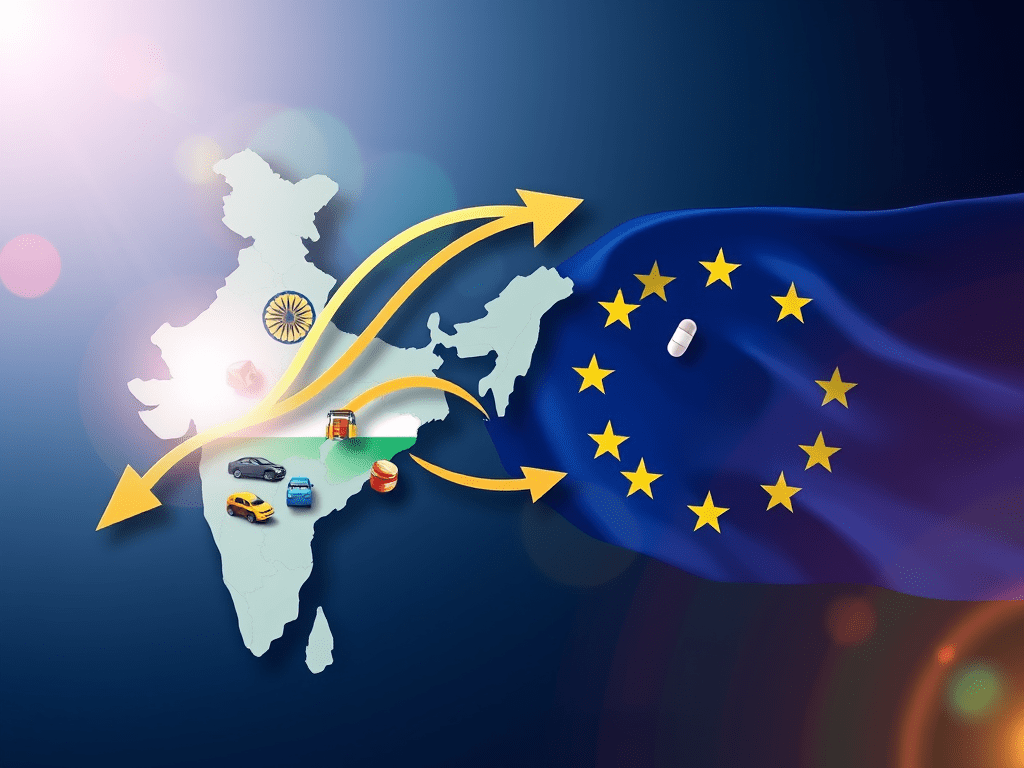
In a significant boost to India’s rice export prospects, a major international market has lifted a four-month-long import ban, setting the stage for increased trade and global market penetration. This move arrives at a crucial time for Indian exporters, as the country navigates new U.S. tariffs on its agricultural exports, including rice.
A Timely Relief for Indian Exporters
The Indian Rice Exporters Federation (IREF), which represents over 7,500 stakeholders across the rice supply chain, sees this as a major breakthrough. The lifting of the ban provides a strategic opportunity to expand India’s already dominant position in the global rice trade, especially at a time when U.S. tariff measures have raised concerns.
Global Market Potential
The re-opening of the unnamed importing country — which has annual rice import requirements exceeding 1 million metric tonnes — is expected to not only restore volumes but also open doors to expand India’s global rice trade share from 45% to a projected 55%.
“This is not a setback, but a shift. U.S. tariffs are temporary. We are focused on building momentum in emerging and established markets,”
— Prem Garg, Chairman, IREF
Key Data Snapshot: Recent Developments in Indian Rice Exports
| Key Metric | Details |
|---|---|
| Major Market Ban Status | Ban lifted after 4 months |
| Market Import Potential | Over 1,000,000 metric tonnes annually |
| India’s Current Share in Global Rice Trade | 45% |
| Target Share Post Market Re-entry | Up to 55% |
| U.S. Import (2023–24) | 2.34 lakh tonnes |
| Impact of U.S. Tariffs | Considered temporary by IREF |
| Industry Representation | IREF represents 7,500+ exporters and millers |
Outlook
With this renewed access, Indian rice exporters are likely to recover lost ground, explore alternate markets, and solidify global leadership in rice exports. The rice trade community, led by IREF, remains optimistic, viewing recent setbacks as part of a larger opportunity to diversify and expand.


 Glottis Limited
Leave a comment