

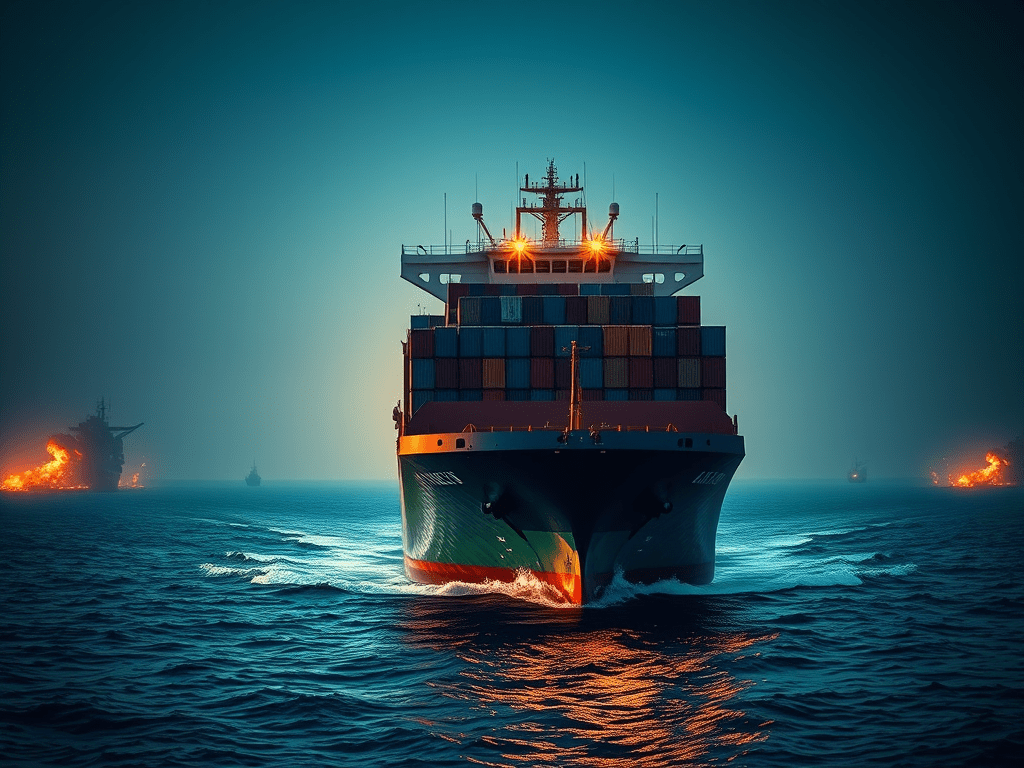
The Shipping Corporation of India (SCI) is set to make one of its largest investments in recent history with the purchase of 26 locally made ships worth approximately $2.3 billion (₹198.2 billion). This strategic move aligns with the Indian government’s broader push to boost domestic shipbuilding, reduce reliance on foreign vessels, and strengthen India’s position as a global maritime player.
Boosting India’s Shipbuilding Capabilities
The newly planned vessels will have a combined internal volume of 1.18 million gross tonnes and will be delivered over several years. The initiative is part of a larger government-led program that spans across sectors like petroleum, steel, and fertilizers, targeting a total of 207 ships valued at nearly ₹1.5 trillion.
A key goal is to increase the share of locally built tankers from 7% by 2030 to 70% by 2047, dovetailing with India’s long-term vision to become a developed nation by its centenary of independence.
To accelerate growth, the government has established a ₹250 billion maritime fund aimed at encouraging both domestic and global shipbuilders to invest in India. For SCI, this order will substantially expand its existing fleet of 55 ships, which includes tankers, bulk carriers, liners, and offshore supply vessels.
Key Data – SCI’s Expansion Plan
| Aspect | Details |
|---|---|
| Number of Ships | 26 |
| Deal Value | $2.3 billion (₹198.2 billion) |
| Total Volume | 1.18 million gross tonnes |
| Delivery Timeline | Over several years |
| Part of Larger Plan | 207 ships worth ₹1.5 trillion across multiple sectors |
| Government Target | 7% locally built tankers by 2030, ~70% by 2047 |
| Support Fund | ₹250 billion maritime fund |
| Current SCI Fleet | 55 ships (tankers, bulk carriers, liners, offshore supply vessels) |
Global Shipbuilding Competitor Landscape
| Region | Company | Details |
|---|---|---|
| South Korea | Hyundai Heavy Industries | One of the largest shipbuilders, known for advanced technology. |
| Daewoo Shipbuilding & Marine Engineering | Specializes in large vessels and naval ships. | |
| Samsung Heavy Industries | Major player in container ships and oil tankers. | |
| China | China Shipbuilding Industry Corporation (CSIC) | Focus on large state-owned projects. |
| China State Shipbuilding Corporation (CSSC) | Major in military and commercial shipbuilding. | |
| Jiangsu Sunan Shipbuilding Group | Known for smaller vessels and bulk carriers. | |
| Japan | Mitsubishi Heavy Industries | Builds high-quality ships, including LNG carriers. |
| Kawasaki Heavy Industries | Focuses on eco-friendly vessels and submarines. | |
| Europe | Fincantieri (Italy) | Leader in cruise ships and naval vessels. |
| Naval Group (France) | Specializes in military and combat vessels. | |
| Meyer Werft (Germany) | Known for luxury cruise ships. | |
| India | Cochin Shipyard Ltd | Major domestic player for smaller vessels. |
| L&T Shipbuilding | Engaged in commercial and defense shipbuilding. | |
| Garden Reach Shipbuilders & Engineers | Specializes in naval vessels and smaller crafts. |
Competitive Insights & Trends
- Technology Leadership: South Korea and Japan lead in automation and eco-friendly ship designs, while China dominates in mass production.
- Specialization: Many competitors focus on niche segments—cruise ships, LNG carriers, bulk carriers, or naval vessels.
- Government Support: State-backed enterprises, especially in China and South Korea, enjoy heavy subsidies, making them competitive in pricing and delivery.
- Environmental Pressure: IMO 2050 carbon targets are pushing shipbuilders to innovate with green propulsion systems and lightweight materials.
- Market Volatility: Global trade demand, geopolitical tensions, and raw material prices significantly impact ship orders and build schedules.

 Glottis Limited
Leave a comment