
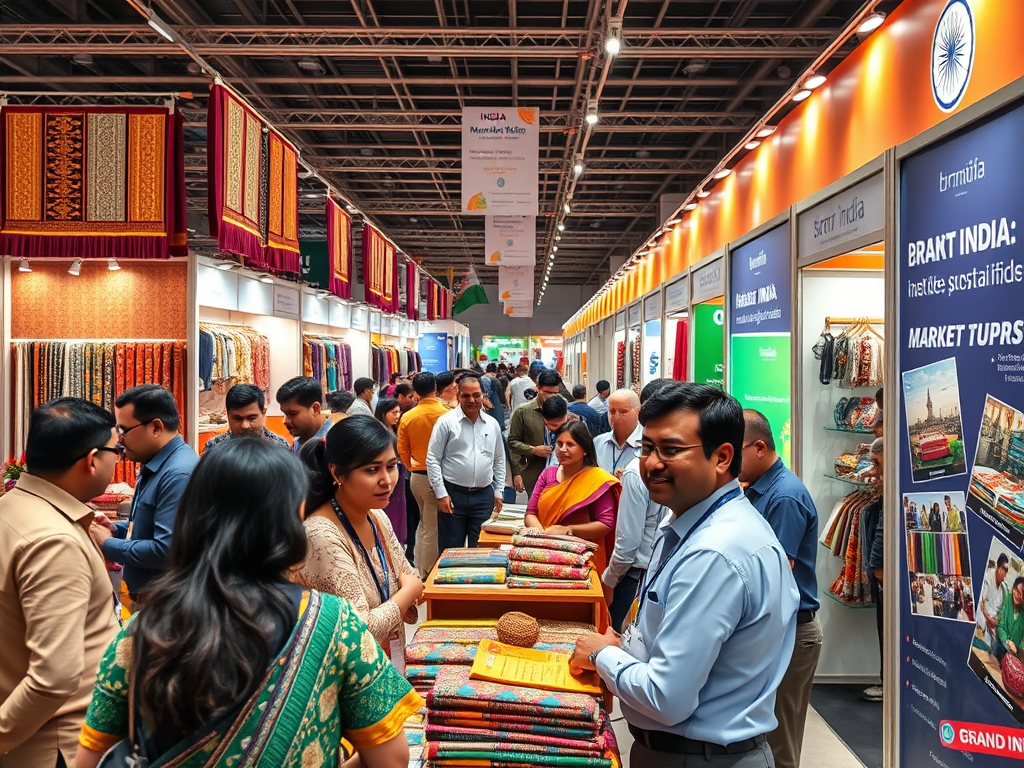
The United States’ decision to impose 50% tariffs on select imports has created significant challenges for Indian exporters, particularly in textiles, gems, and seafood. To address these challenges, India is adopting a multi-pronged strategy aimed at market diversification, sustainability, and strengthening global positioning.
Key Focus Areas
- Targeting 40 Key Markets:
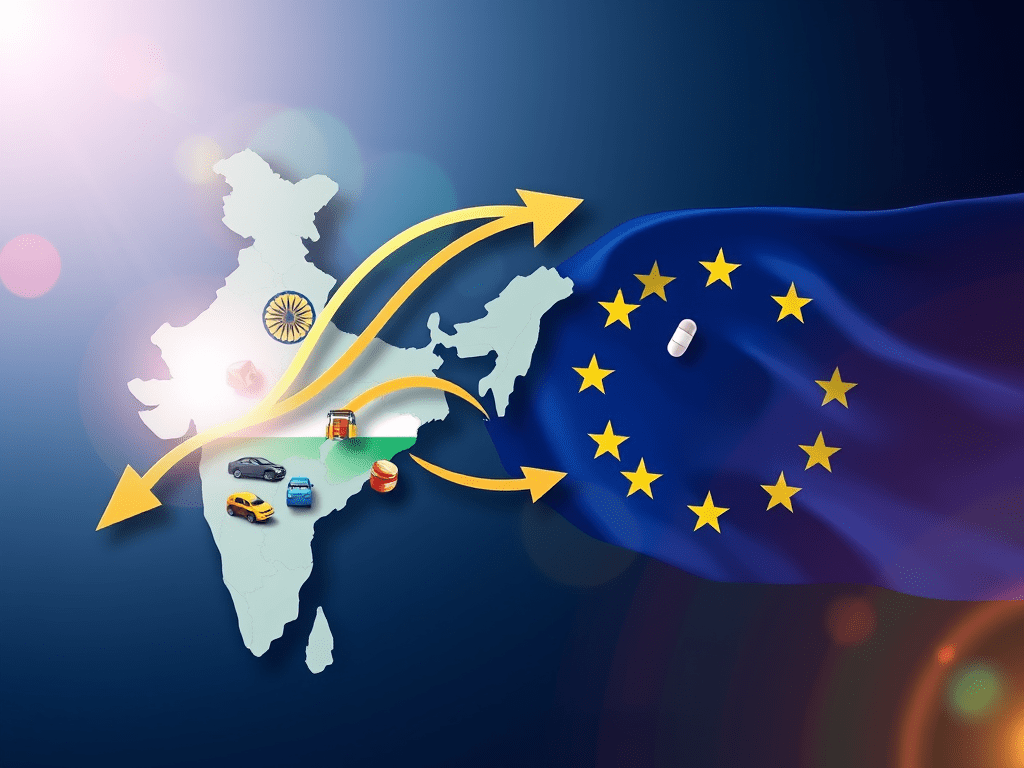
India plans to reduce dependency on a few countries by expanding into 40 targeted markets, including the UK, Japan, South Korea, Germany, and Australia. These regions offer high import potential for textiles and apparel. - Export Promotion Councils (EPCs):
EPCs will lead this initiative by mapping markets, identifying high-demand products, and guiding exporters on leveraging FTAs and sustainability standards. - Outreach and Engagement:
India will develop tailored outreach programs, including trade fairs, exhibitions, and buyer-seller meets, supported by Indian diplomatic missions. - Sustainability and Innovation:
Emphasis will be placed on positioning India as a reliable supplier of sustainable and innovative textiles to appeal to environmentally conscious consumers. - Continuous Dialogue with Exporters:
Regular consultations with affected sectors will help fine-tune policies and mitigate tariff impacts. - Long-term Export Promotion Mission:
The government is considering a comprehensive mission in the upcoming budget to ensure sustained diversification and resilience.
Key Data at a Glance
| Focus Area | Details |
|---|---|
| Number of Targeted Markets | 40 countries (UK, Japan, South Korea, Germany, Australia, etc.) |
| Current Global Market Share | 5-6% of global textile imports |
| Role of EPCs | Lead outreach, market mapping, FTA guidance, sustainability compliance |
| Sectors Impacted by Tariffs | Textiles, gems, seafood |
| Strategic Tools | FTAs, diplomatic missions, “Brand India” campaigns |
| Long-term Plan | Comprehensive Export Promotion Mission |
| Sustainability Focus | Adoption of global standards, promotion of eco-friendly products |
| Engagement Frequency | Regular workshops, meetings, and feedback sessions with exporters |
Conclusion
By leveraging its strengths and exploring new markets, India is preparing to offset the negative impact of U.S. tariffs. This strategy not only addresses immediate trade disruptions but also builds a foundation for long-term growth through innovation, sustainability, and market diversification.


 Glottis Limited
Leave a comment