
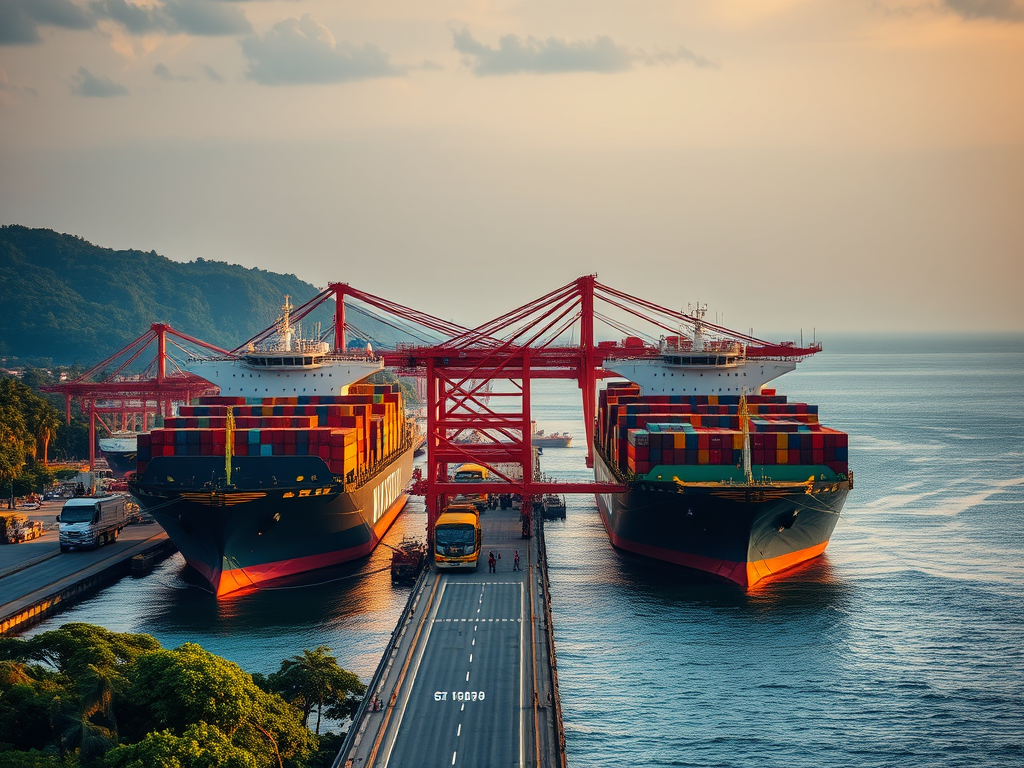
India’s maritime strategy is at a pivotal moment. The recent inauguration of Kerala’s Vizhinjam International Seaport, the nation’s first deep-water transshipment hub, has sparked debate about the future of large-scale projects like the Great Nicobar transshipment port. While Vizhinjam has quickly proven operational viability, the Nicobar project faces environmental, social, and regulatory challenges.
Key Issues and Developments
| Aspect | Vizhinjam Port | Great Nicobar Project |
|---|---|---|
| Status | Inaugurated; operational with major container ships. | Proposed project; facing delays and legal hurdles. |
| Strategic Role | India’s first deep-water transshipment hub. | Envisioned as “Singapore of India.” |
| Operational Viability | Demonstrated success soon after opening. | Questions on feasibility and need, given Vizhinjam. |
| Environmental Concerns | Minimal impact reported; localized maritime risks noted. | Extensive tree felling, threats to endangered species. |
| Social Impact | Fisherfolk livelihood concerns due to recent accidents. | Indigenous rights disputes; objections from tribal councils. |
| Legal/Regulatory Issues | Within state/national compliance frameworks. | Complicated by Forest Rights Act and revocations. |
| Development Outlook | Expected to stimulate economy, cut costs, boost exports. | High ecological and ethical risks with uncertain benefits. |
Benefits of Vizhinjam Port
Vizhinjam is positioning itself as a sustainable and strategic alternative to more ecologically disruptive projects. Its advantages include:
| Benefit | Impact on India’s Maritime Strategy |
|---|---|
| Deep-Water Capacity | Accommodates ultra-large container ships. |
| Strategic Location | On global east-west shipping routes, improving connectivity. |
| Economic Growth | Job creation, investment inflows, and regional development. |
| Reduced Maritime Costs | Cuts transshipment costs by reducing reliance on foreign hubs like Colombo or Singapore. |
| Infrastructure Development | Spurs roads, rail, and logistics hubs. |
| Environmental Sustainability | Lower ecological footprint compared to Nicobar. |
| Support to Fisheries | Potential co-existence with better-managed fishing zones. |
| Tourism Potential | Coastal infrastructure may boost Kerala’s tourism. |
| Boost to Exports | Streamlines export logistics for multiple industries. |
| Integration with Coastal Economy | Connects Kerala with India’s wider maritime economy. |
Outlook
The comparison between Vizhinjam and the Great Nicobar project underscores a broader dilemma: how should India balance economic ambition with ecological and social responsibility?
While Nicobar has been marketed as India’s answer to Singapore, experts note that the region lacks the dense population, urban infrastructure, and socio-economic ecosystem that enabled Singapore’s rise. Conversely, Vizhinjam’s early success suggests that leveraging existing strengths with sustainable infrastructure may be a smarter path forward.
Vizhinjam’s trajectory could redefine India’s maritime landscape—proving that growth and sustainability can, in fact, co-exist.



 Glottis Limited
Leave a comment