

The Indian textile and clothing industry, one of the country’s most significant economic drivers, is navigating global headwinds with optimism. Despite trade challenges, particularly from recent U.S. tariff measures, the sector has set its sights on achieving a USD 350 billion market size by 2030. With strong government support, sustainability initiatives, and an innovation-driven mindset, the industry is preparing for its next phase of growth.
Growth and Export Outlook
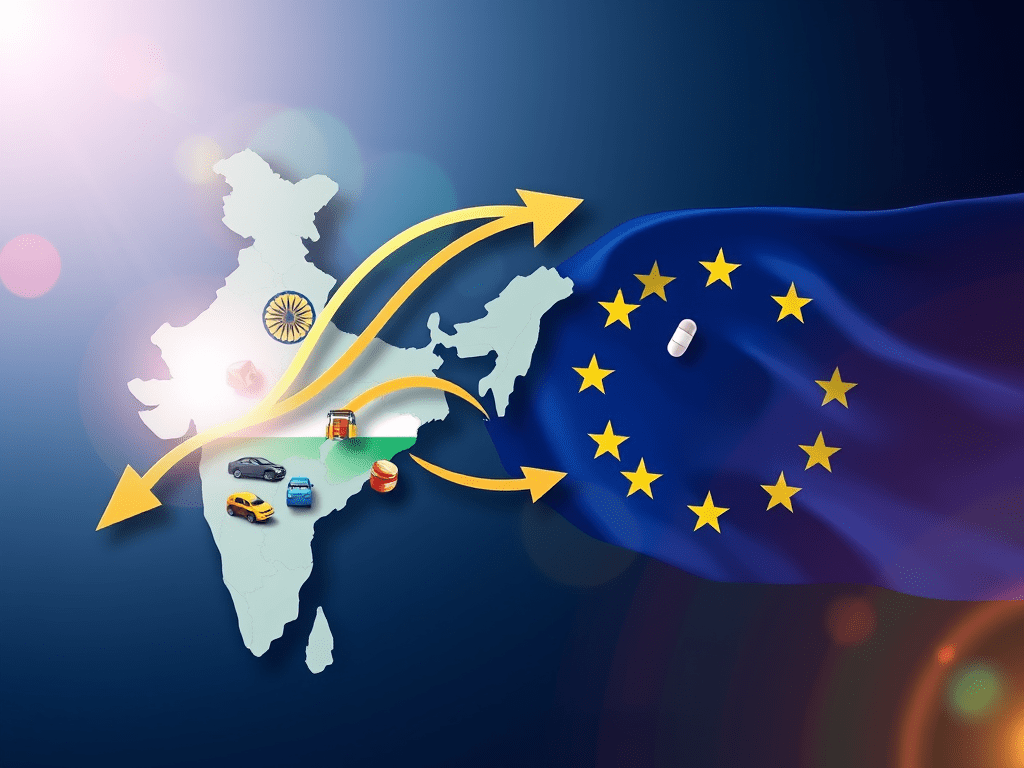
India’s textile exports remain heavily dependent on the U.S., which accounts for nearly 28% of total exports valued at around USD 11 billion. While tariff barriers may dampen near-term export momentum, robust domestic consumption is expected to cushion the impact. Industry leaders are also emphasizing diversification into new global markets and tapping into innovative product lines, especially in man-made fibers (MMF).
Government Initiatives Boosting the Sector
The Government of India has rolled out multiple initiatives to strengthen competitiveness and productivity:
- Removal of 11% import duty on cotton (till December 2025).
- Launch of the Mission for Cotton Productivity with an outlay of ₹5,900 crores.
- GST reforms: unified 5% slab for textiles and reduction of duty on MMF from 18% to 5%.
- Refund mechanism ensuring 90% of dues within 7 days for impacted products.
In addition, committees have been set up to address compliance hurdles around Quality Control Orders (QCOs), focusing on easing business processes and encouraging innovation.
Key Data: Indian Textile & Clothing Industry
| Indicator | Current Status / Action | Outlook |
|---|---|---|
| Market Size Target | USD 350 billion by 2030 | Strong growth potential |
| U.S. Share of Exports | 28% (~USD 11 billion) | Diversification needed |
| Import Duty on Cotton | 11% duty removed till Dec 2025 | Boosts raw material access |
| Mission for Cotton Productivity | ₹5,900 crores allocated | Productivity & yield gains |
| GST Reform | Unified 5% slab; MMF duty cut from 18% → 5% | Improves cost competitiveness |
| Refunds for Textile Dues | 90% refund within 7 days | Enhances liquidity |
| Domestic Consumption | Rising steadily | Cushion for export slowdowns |
Leadership and Next-Gen Perspectives
Industry leaders like Mr. Durai Palanisamy highlight that innovation and cost competitiveness, backed by supportive policies, will be pivotal in overcoming trade challenges. He urges next-generation entrepreneurs to build indigenous volumes through new product development and advanced manufacturing.
Sustainability: The Future of Textiles
Sustainability is emerging as a central theme for the industry. Companies such as Sulochana Cotton Spg Mills are pioneering eco-friendly practices, including converting PET bottles into textile fibers. Such initiatives align with global sustainability goals while opening new market opportunities for Indian manufacturers.
Outlook
The Indian textile and clothing industry is at an inflection point. By leveraging government support, diversifying export markets, investing in innovation, and embracing sustainable practices, the sector is positioning itself as a global leader. With a clear roadmap, India’s ambition of reaching USD 350 billion by 2030 looks achievable despite the challenges.


 Glottis Limited
Leave a comment