
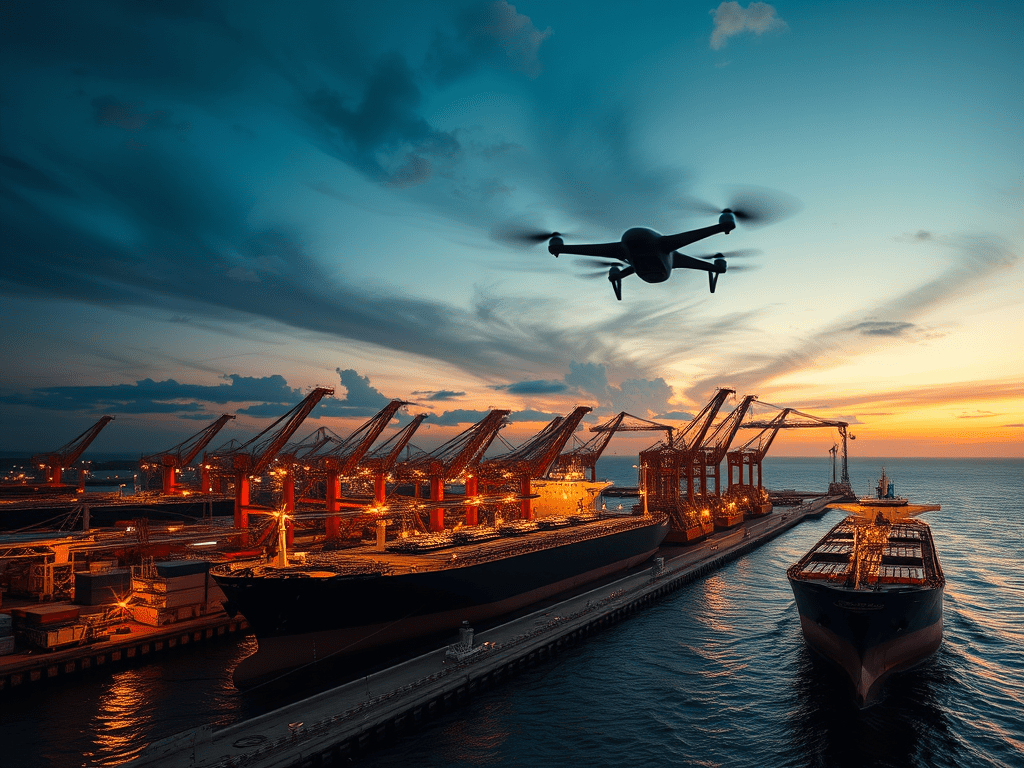
Russian crude oil exports have surged to a 16-month high, even as domestic refining capacity suffers significant setbacks from Ukrainian drone attacks. The developments underscore the complex interplay of market dynamics, OPEC+ production policies, and geopolitical maneuvering that continues to shape global energy markets.
Russian Oil Export Trends
In mid-September, Russian crude exports climbed to 3.62 million barrels per day, the highest level since April 2022. This surge coincided with OPEC+ agreements permitting higher production levels, while refinery disruptions forced Russia to redirect more crude to export markets.
Key Data Snapshot
| Category | Details |
|---|---|
| Russian Crude Oil Exports | 3.62 million barrels/day (16-month high) |
| Refining Capacity | Below 5 million barrels/day (lowest since April 2022) |
| Impact of Drone Attacks | ~7% of fuel production capacity disrupted |
| Export Volume (Sept 15–21) | 23.69 million barrels (31 tankers) |
| Export Value (Sept 15–21) | $1.33 billion |
| OPEC+ Incremental Increase | +400,000 barrels/day since March 2022 |
| Geopolitical Pressure | U.S. urging allies (esp. India) to cut Russian imports |
| EU Approach | Trade measures under discussion; resistance to full embargo |
Refinery Disruptions and Export Shifts
Russian refining capacity has dipped to below 5 million barrels per day, the lowest in more than two years. Drone strikes have damaged facilities, curtailing about 7% of Russia’s total fuel production. In response, crude that would have been refined domestically has been redirected to overseas markets, explaining the surge in exports.
Geopolitical Pressures
The U.S. continues to pressure allies such as India to reduce reliance on Russian oil purchases, framing it as a geopolitical and ethical issue. Meanwhile, the European Union is divided: while some member states push for tougher restrictions, others resist a full embargo, instead advocating measured trade controls to avoid destabilizing energy supplies.
OPEC+ Production Policy
The broader oil market context is shaped by OPEC+, which maintains a carefully managed production policy:
- Production Quotas: Specific output targets balance supply and demand.
- Incremental Increases: Since March 2022, OPEC+ has allowed a gradual boost of ~400,000 barrels/day.
- Flexibility: Members can adjust production in response to market or geopolitical shifts.
- Monitoring: Regular meetings allow recalibration based on global conditions.
- Stability Goal: Beyond immediate pricing, OPEC+ aims for long-term oil market stability.
- Sustainability Focus: Increasing discussions on transitioning towards renewables.
Outlook
The trajectory of Russian crude exports will hinge on:
- The resilience of its refining sector under ongoing drone strikes.
- The effectiveness of U.S. and EU diplomatic and trade measures.
- OPEC+’s ability to maintain production discipline while adapting to shifting global demand.
While Russia is capitalizing on export opportunities created by domestic disruptions, the uncertain geopolitical climate and potential for further sanctions leave the future of its oil trade finely balanced.



 Glottis Limited
Leave a comment