
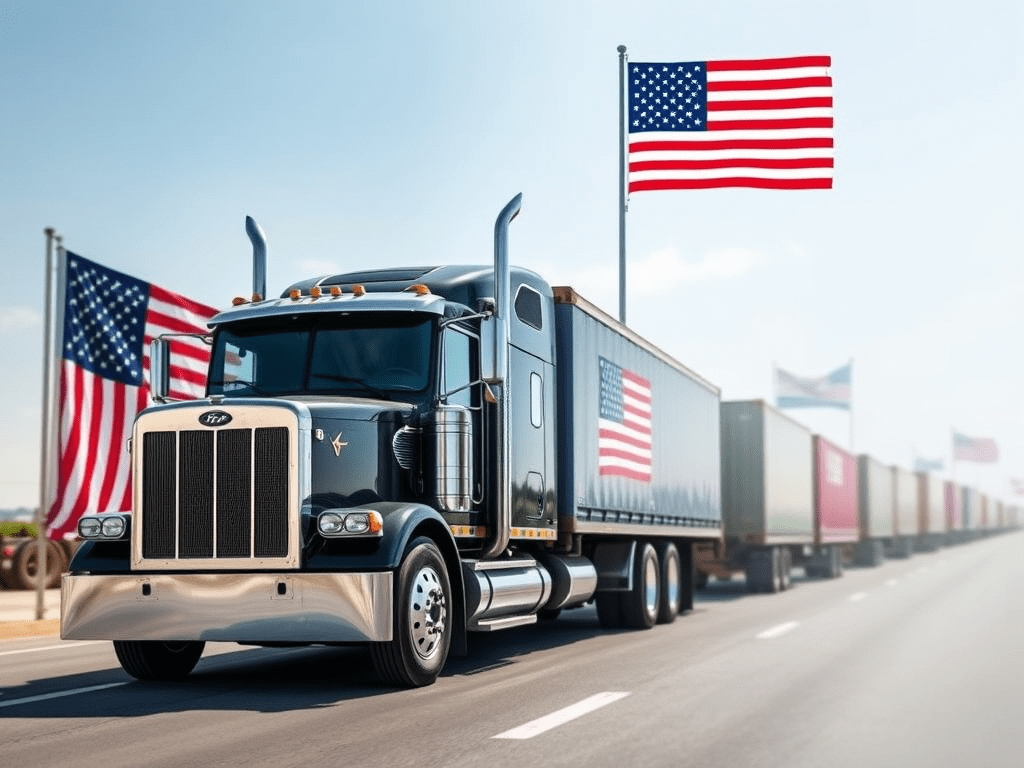
In a significant move aimed at reshaping the global automotive trade landscape, President Donald Trump has announced a 25% tariff on all medium- and heavy-duty trucks imported into the United States, effective November 1, 2025. The decision underscores the administration’s focus on bolstering domestic manufacturing and reducing dependence on foreign suppliers.
Key Highlights
| Aspect | Details |
|---|---|
| Tariff Rate | 25% on all medium- and heavy-duty trucks imported into the U.S. |
| Effective Date | November 1, 2025 |
| Purpose | To support U.S. manufacturers and protect them from “unfair outside competition.” |
| Primary Target | European automakers—major suppliers of commercial vehicles to the U.S. |
| Affected Exporters | Mexico, Canada, Japan, Germany, and Finland (Mexico being the largest). |
| Impact on India | Minimal, as India does not currently export trucks to the U.S. |
| Previous Deadline | Originally planned for October 1, 2025, but postponed after industry objections. |
| Current Tariff Context | Light-duty vehicles from trade partners face 15% tariffs; applicability to larger vehicles remains unclear. |
| Trade Agreement Impact | Could disrupt the USMCA provision that allows tariff-free movement of trucks with North American content. |
| Investment Implications | May affect companies like Stellantis and Volvo Group, both expanding truck operations in Mexico. |
Economic and Supply Chain Implications
The new tariff policy is expected to have ripple effects across global supply chains, logistics, and the pricing structure of commercial vehicles. Analysts warn that higher import costs could translate into price hikes for U.S. consumers, while supply chain disruptions could challenge production timelines and availability.
Impact on Truck Prices
| Factor | Expected Effect |
|---|---|
| Increased Production Costs | Importers may pass tariff costs to consumers, raising final truck prices. |
| Supply Chain Disruptions | Shortages and logistics bottlenecks could elevate prices due to reduced availability. |
| Domestic Manufacturer Advantage | U.S. truck makers may gain market share as imported models become costlier. |
| Market Competition Shift | Reduced import competition may allow domestic firms to maintain higher pricing margins. |
| Consumer Market Reaction | Elevated prices could suppress demand, potentially prompting price adjustments over time. |
Conclusion
The 25% tariff on imported medium- and heavy-duty trucks marks a new phase in U.S. trade policy, reinforcing protectionist measures to favor domestic production. While the move could boost American truck manufacturers in the short term, it poses challenges for international suppliers and could trigger retaliatory measures or market adjustments worldwide.
For countries like India, the direct impact remains limited, but the broader implications on trade norms and global supply chain fluidity are worth monitoring closely, particularly as logistics networks and OEM investments continue to evolve.




 Glottis Limited
Leave a comment