
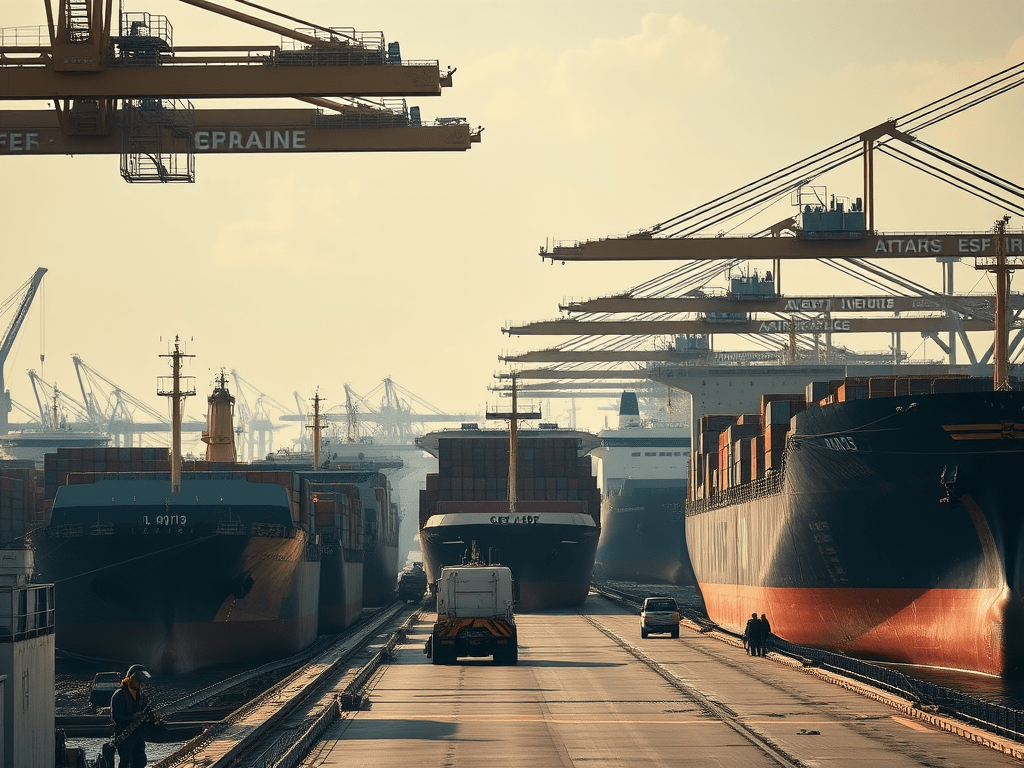
After days of disruption, operations at the Port of Antwerp are gradually returning to normal following the resolution of a pilots’ strike that had severely impacted vessel movement and freight scheduling. However, the aftermath of the strike continues to strain port efficiency, with a significant backlog of ships awaiting clearance.
Strike Resolution and Operational Restart
Pilots at the Port of Antwerp have officially resumed duties, marking the end of the strike that paralyzed vessel traffic for several days. The port authorities have begun rescheduling vessel arrivals and departures, though full normalization is expected to take time. According to port officials, it will take “several days” to clear the accumulated backlog.
Scale of Vessel Congestion
As of now, over 60 ships are waiting to depart, while approximately 100 vessels are awaiting arrival clearance. The congestion has led to extended berthing times, schedule reshuffling, and diverted port calls, particularly affecting nearby Port of Rotterdam, which has seen knock-on effects from the disrupted Belgian logistics network.
| Key Data Points | Details / Figures |
|---|---|
| Port Impacted | Port of Antwerp (Belgium), Port of Rotterdam (Netherlands) |
| Current Situation | Pilots’ strike resolved; operations resuming |
| Vessels Waiting to Depart | 60+ ships |
| Vessels Waiting to Arrive | ~100 ships |
| Estimated Time to Clear Backlog | Several days |
| Impact on Freight Flow | Severe congestion and schedule delays |
| Response by Shipping Lines | MSC and others rerouting vessels or adjusting port calls |
| Regional Impact | Affected cargo flows across Belgium and the Netherlands |
Impact on Freight and Shipping Companies
The ripple effect of the strikes has been felt across the European logistics chain. Freight movements through both Antwerp and Rotterdam — two of Europe’s largest container ports — faced bottlenecks due to halted pilotage services and restricted vessel movements.
Shipping companies like MSC have responded by adjusting schedules and diverting calls from the most congested terminals to alternate European ports, aiming to minimize customer disruption and maintain cargo delivery timelines.
Outlook
While normal operations are being restored, clearing the current congestion will require coordination between terminal operators, shipping lines, and port authorities. Analysts expect cargo flow normalization to take up to a week, depending on weather and pilot availability.
The incident underscores the fragility of port logistics networks when faced with labor disputes, emphasizing the need for contingency planning in Europe’s maritime supply chain.



 Glottis Limited
Leave a comment