
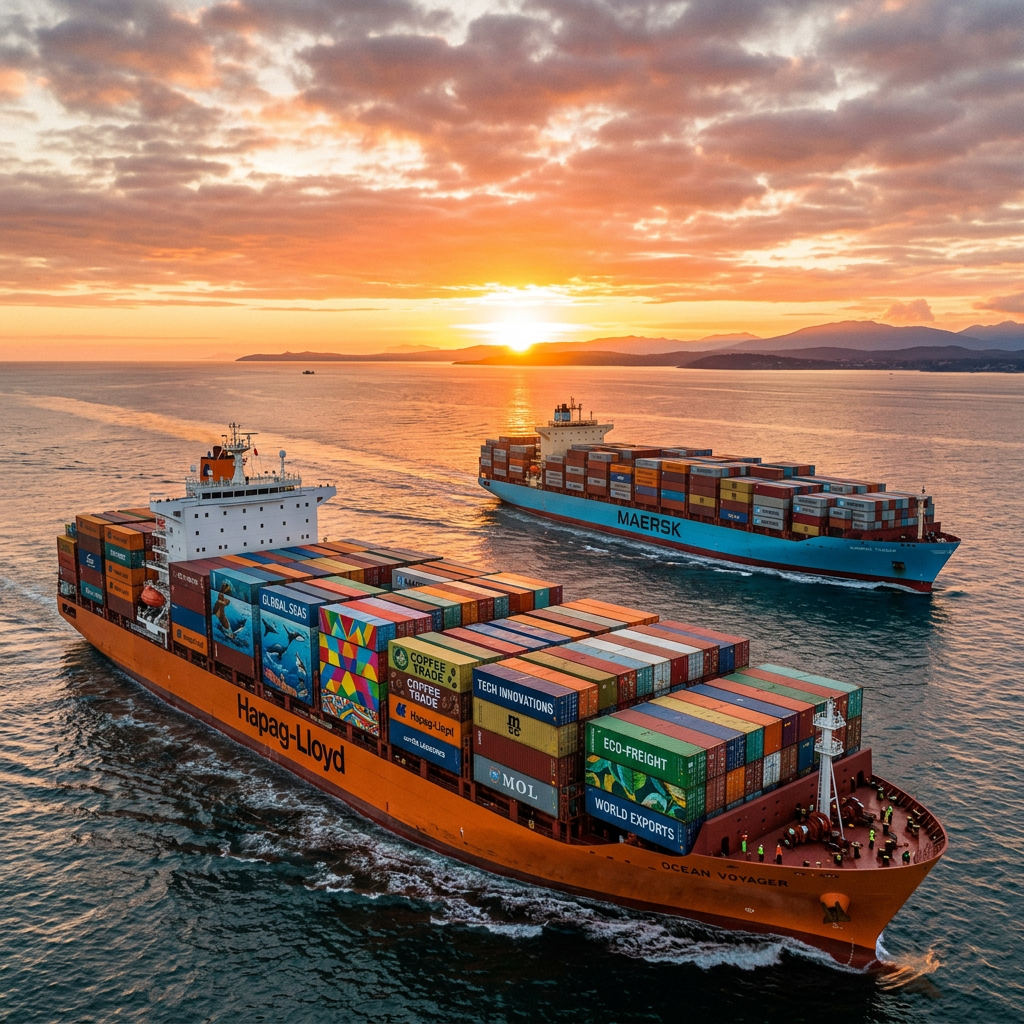
The proposed Free Trade Agreement between India and New Zealand marks a significant step toward strengthening bilateral economic relations. After years of stalled discussions, the agreement signals a renewed commitment to expand trade, enhance market access, and unlock long-term investment opportunities between the two nations.
With negotiations originally starting in 2010, pausing in 2015, and resuming in 2025, the FTA has now emerged as a forward-looking framework aimed at doubling trade volumes and fostering deeper economic integration.
Key Highlights of the India–New Zealand FTA
| Category | Key Data / Insight |
|---|---|
| Objective | Strengthen economic ties and double bilateral trade |
| Trade Volume (2024–25) | USD 1.3 Billion total trade |
| Indian Exports | ~USD 711 Million |
| Imports from NZ | ~USD 587 Million |
| NZ Investment Commitment | USD 20 Billion over 15 years |
| NZ Average Tariff | ~2.3% (prior to FTA benefits) |
| Duty Access (India → NZ) | 100% duty-free access across sectors |
| Tariff Reduction (NZ → India) | Phased reduction over up to 10 years |
| Visa Provision | 5,000 skilled Indian professionals (up to 3 years) |
| Negotiation Timeline | 2010 start → 2015 pause → 2025 conclusion |
Tariff Structure & Trade Mechanics
The FTA adopts a balanced tariff strategy, ensuring immediate benefits for Indian exporters while gradually opening the Indian market to New Zealand goods.
India to New Zealand
- Immediate duty-free access for all major export categories
- Covers textiles, leather, plastics, engineering goods, and pharmaceuticals
- Enhances price competitiveness in a low-tariff market
New Zealand to India
- Phased tariff reductions over a period of up to 10 years
- Initial concessions on:
- Apples, kiwifruit, and manuka honey (quota-based)
- Iron, steel, and scrap aluminum
Sector-Wise Impact
| Sector | Impact Under FTA |
|---|---|
| Textiles & Apparel | Full duty-free access; boost to labor-intensive exports |
| Leather & Footwear | Enhanced competitiveness in NZ market |
| Pharmaceuticals | Easier entry and expansion of Indian generics |
| Engineering Goods | Duty-free access for machinery and components |
| Agriculture (India) | Increased exports of fruits, spices, and pulses |
| Wine & Spirits | Bilateral concessions; gradual tariff easing |
| Seafood | Improved access for Indian marine exports |
| Services (IT, Education, Tourism) | Market access secured in high-value sectors |
Market Access & Services Expansion
A major breakthrough in the FTA is India securing access in high-value service sectors, including:
- Information Technology (IT)
- Professional services
- Education
- Tourism
Additionally, the introduction of a Temporary Employment Entry Visa allows 5,000 skilled Indian professionals to work in New Zealand for up to three years—strengthening people-to-people and business ties.
Sensitive List & Trade Safeguards
To protect domestic industries, India has excluded key sectors from tariff concessions:
- Dairy products (milk, cream, yogurt)
- Certain agricultural commodities (onions, peas, corn)
- Sugar and select sensitive goods
This ensures a balanced approach, safeguarding local producers while enabling trade growth.
Investment & Strategic Outlook
New Zealand’s commitment to invest USD 20 billion in India over 15 years is a strong signal of long-term confidence. This investment is expected to:
- Boost infrastructure and supply chain development
- Enhance bilateral industrial cooperation
- Support sustainable economic growth
Conclusion
The India–New Zealand FTA is more than a trade agreement—it is a strategic economic partnership. By combining immediate export advantages for India, gradual market access for New Zealand, and strong investment commitments, the agreement creates a win-win framework.
For businesses, especially in logistics and supply chain sectors, this FTA opens up new trade corridors, increased cargo volumes, and deeper market integration, positioning both nations for sustained growth in the coming decade.


 Glottis Limited
Leave a comment