

Introduction
The first quarter of 2025 has been historically challenging for the container freight market, with Chinese export rates plummeting. A combination of increasing vessel capacity, shifting trade policies, and fluctuating demand has led to significant changes in global freight dynamics.
Key Data on Freight Rate Decline
| Indicator | Value | Change |
|---|---|---|
| Average Freight Rate Decline | 28% | Since January 2025 |
| China Containerized Freight Index (CCFI) | Dropped from 1,548 to 1,112 | 28% decline |
| Shanghai Containerized Freight Index (SCFI) | 46% decrease | Since January 2025 |
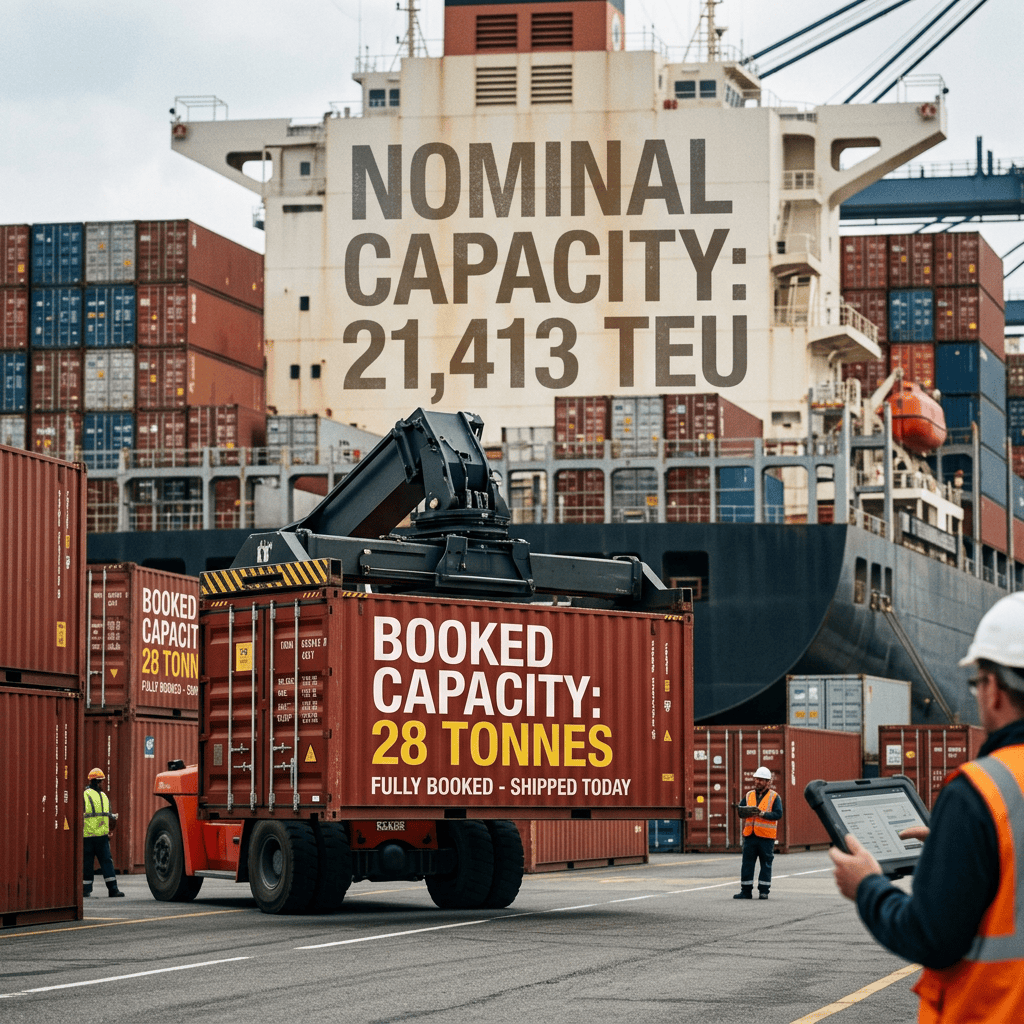
| Expected Container Ship Capacity Growth | 5.4% | By the end of 2025 |
Regional Rate Declines
| Trade Route | Rate Decline |
| Europe | 33% |
| Mediterranean | 32% |
| South Africa | 40% |
| Australia/New Zealand | 38% |
| South America | 35% |
| West Africa | 26% |
| China-Japan | No Decline |
Factors Influencing the Decline
- Increased Capacity: A 5.4% growth in container ship capacity in 2025 has added downward pressure on rates.
- Trade Policies and Tariffs: The U.S. tariffs under the Trump administration have disrupted trade flows, causing market uncertainty.
- Market Normalization: Following post-pandemic surges, shipping volumes are stabilizing, returning to 2019 levels.
- Regional Disparities: The hardest-hit trade routes include Europe and South Africa, while China-Japan trade remains stable.
Future Projections
- Freight rates are expected to remain lower than in 2024 due to excess capacity and demand uncertainty.
- If global trade volumes do not rebound, rates may align with 2019 levels, marking a full return to pre-pandemic pricing.
- Tariffs and geopolitical shifts will continue to shape market conditions, making long-term predictions complex.
Conclusion
China’s container freight market is facing a turbulent 2025. While rate reductions benefit shippers, carriers must navigate shrinking margins, shifting trade lanes, and evolving economic policies. The industry’s ability to adapt will determine the balance between supply and demand in the coming months.





Leave a comment