
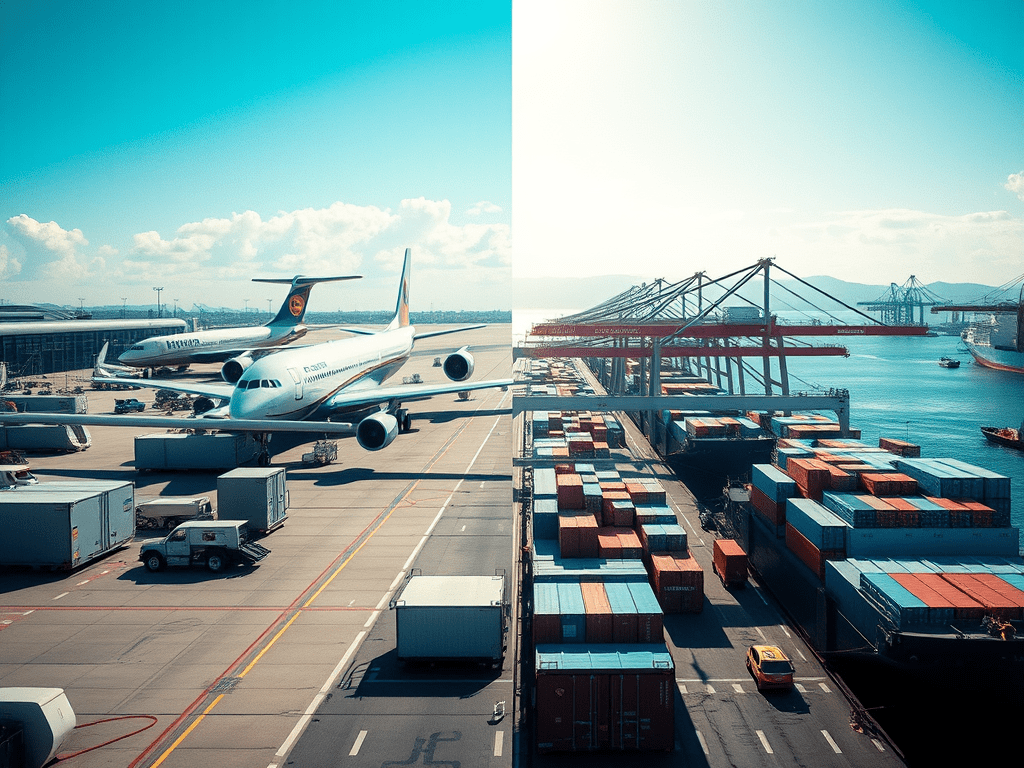
As global logistics gears up for a transformative 2025 in shipping, the air cargo industry faces its own distinct challenges and opportunities. While dedicated cargo airlines and full-service carriers dominate the air freight space, low-cost carriers remain largely on the sidelines, with only a few exceptions.
Comparing Air and Sea Logistics Trends
- Strategic Shifts in Both Sectors:
- In maritime logistics, 2025 is set to bring a reshuffling of container shipping alliances and a potential drop in freight rates.
- Similarly, in aviation, air cargo profitability has declined post-COVID, with rising fuel costs and narrowing margins challenging the industry.
- Operational Models:
- Maritime Shipping: Larger vessels and alliances create economies of scale, akin to how legacy airlines use extensive hub networks for freight efficiency.
- Low-Cost Airlines: Like point-to-point shipping, low-cost carriers focus on direct routes and quick turnarounds, limiting their ability to integrate cargo operations effectively.
Key Challenges for Low-Cost Carriers in Air Cargo
| Factor | Low-Cost Airlines | Dedicated/Legacy Carriers |
|---|---|---|
| Aircraft Type | Narrowbody planes unsuitable for large cargo loads | Widebody planes ideal for high-volume freight |
| Business Model | Focus on passengers, quick turnarounds | Balanced passenger and cargo operations |
| Route Network | Point-to-point | Hub-and-spoke networks enable cargo transfers |
| Cargo Profitability | Limited potential due to operational constraints | Higher potential during demand surges |
Lessons from Indian Aviation
India’s aviation sector mirrors global trends but adds its unique dynamics:
- Rising Demand for Air Cargo: India’s growing e-commerce market, coupled with initiatives like “Make in India,” is boosting demand for domestic and international air freight.
- Role of Low-Cost Airlines:
- Dominated by carriers like IndiGo, SpiceJet, and AirAsia India, low-cost airlines have minimal cargo operations due to fleet and model limitations.
- However, SpiceJet’s SpiceXpress has made notable strides in cargo, leveraging dedicated freighters to meet demand.
- Hub Networks of Legacy Carriers: Airlines like Air India and Vistara (before its merger) have an edge due to larger aircraft and better alignment with global cargo needs.
Air vs. Sea: A Parallel Evolution
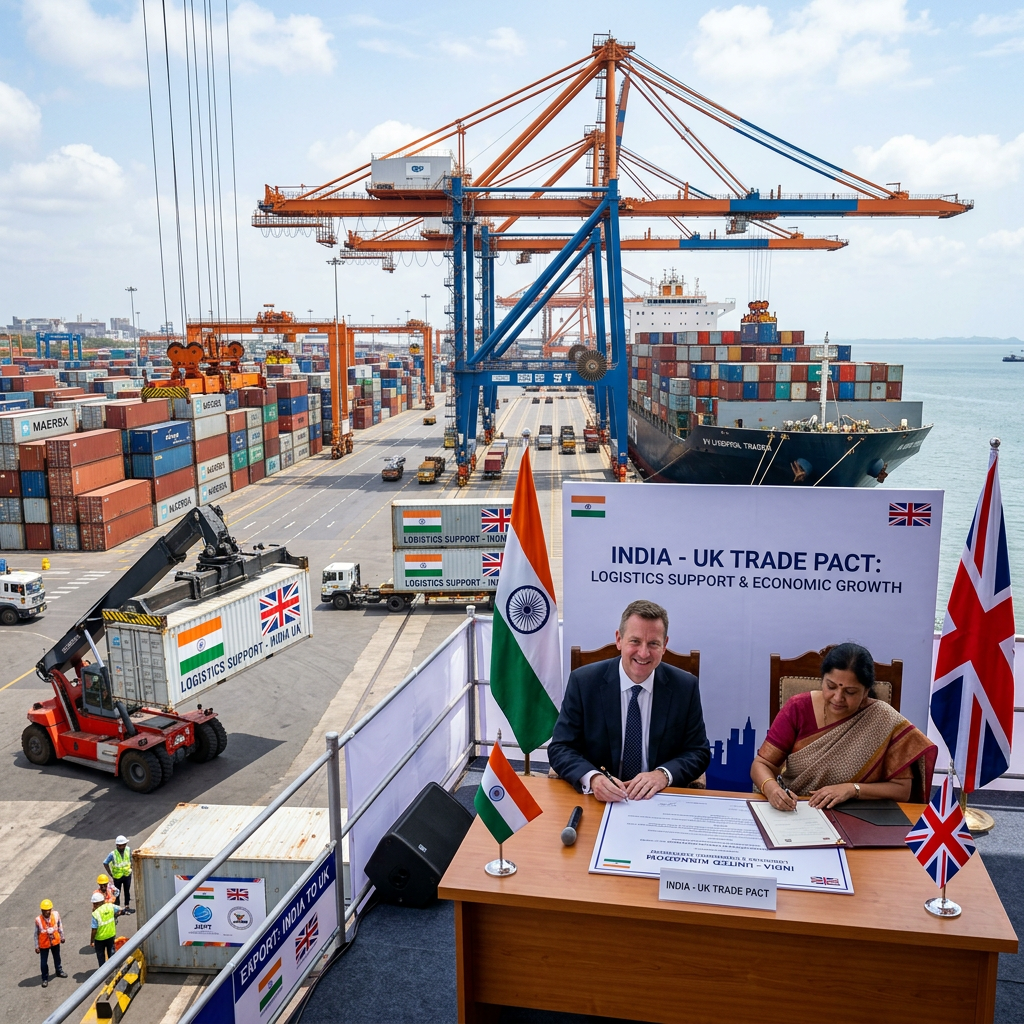
As shipping alliances reshuffle in 2025, Indian ports like Mundra and Nhava Sheva could see ripple effects in container movement. Similarly, the Indian air freight sector must adapt to new challenges, such as fuel price volatility and infrastructure limitations at airports.
Both sectors share a common thread: those leveraging scale, efficiency, and adaptability will lead the charge.
Looking Ahead
For low-cost carriers, entering the cargo market requires rethinking their operational models—perhaps by forming strategic partnerships, as seen with Sun Country Airlines and Amazon Air. For India, integrating logistics across air and sea could be a game-changer, aligning with its vision of becoming a global trade hub.
Stay tuned as we continue to monitor these fascinating dynamics in global and Indian logistics!




Leave a comment