
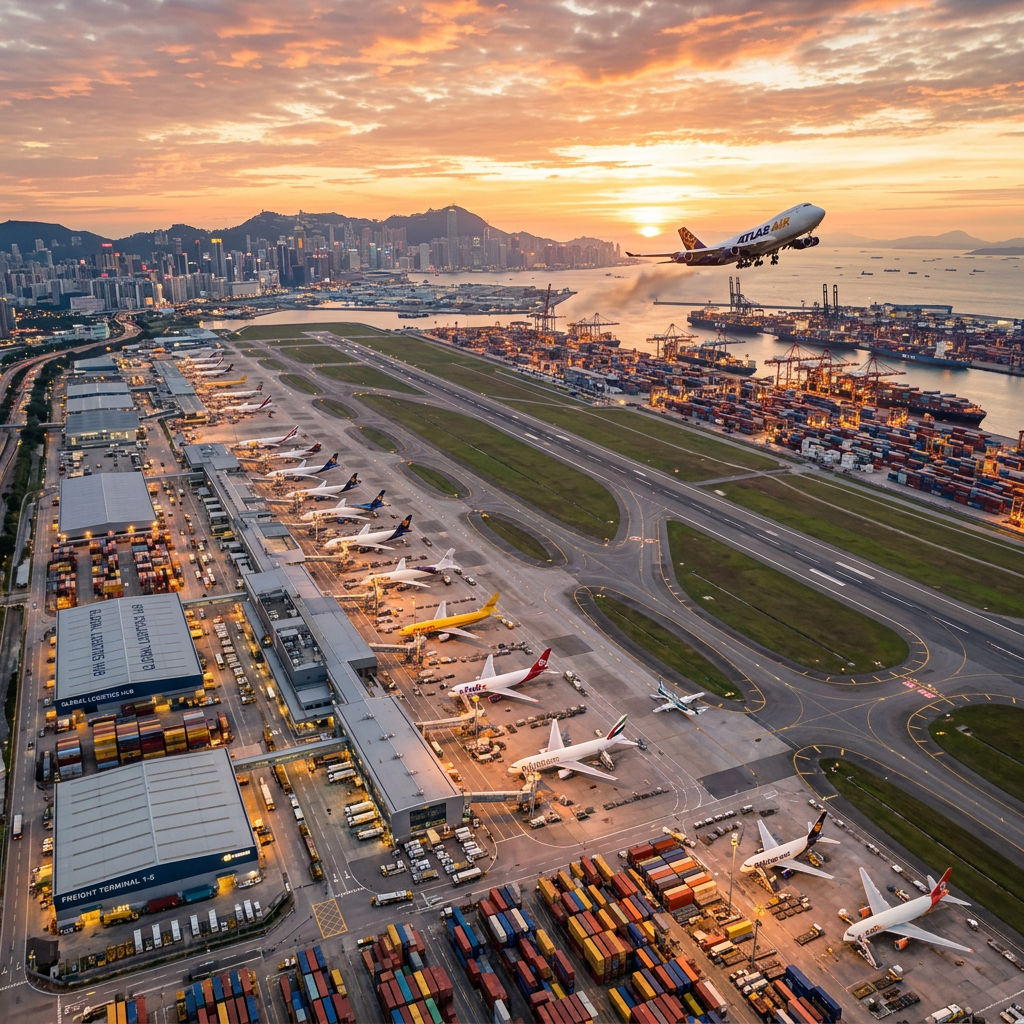
The air cargo and logistics sector is undergoing a significant transformation driven by policy reforms, infrastructure development, and global trade dynamics. As governments and industry stakeholders work more closely, the focus is shifting toward efficiency, digitization, and multimodal integration to remain competitive in an evolving global supply chain landscape.
Key Industry Highlights
| Area | Key Insight | Impact on Industry |
|---|---|---|
| Industry–Government Interface | Increasing collaboration between stakeholders and authorities | Faster decision-making and policy alignment |
| Cargo Clearance | Airports like Indira Gandhi International Airport and Kempegowda International Airport competing on clearance speed | Improved turnaround time and efficiency |
| ICEDASH Initiative | Government-backed customs monitoring system | Real-time visibility and reduced clearance delays |
| Freight Forwarding Margins | Profitability under pressure due to market shifts | Need for pricing innovation and operational efficiency |
| Cold Chain Infrastructure | Gaps in temperature-controlled logistics | Impacts pharma, food, and perishable cargo sectors |
| Logistics Hub Development | Madhya Pradesh positioning itself as a logistics hub | Boost to inland connectivity and warehousing |
| Global Trade Challenges | Impact of US–China Trade War | Reduced air cargo volumes globally |
| Freight Volume Outlook | Expected rise in second half of financial year | Recovery trend in cargo demand |
| Technology Adoption | ISRO enabling real-time freight monitoring | Improved tracking and operational control |
| Inland Waterways | Emerging as a cost-effective alternative | Potential boost for Northeast India logistics |
| E-commerce Evolution | Changing dynamics with platforms like Paytm Mall | Shift in fulfillment and distribution models |
Key Challenges in the Air Cargo Sector
The industry continues to face structural and external challenges:
- Global trade disruptions impacting cargo volumes
- Pressure on freight forwarder margins due to competition and rate volatility
- Infrastructure gaps, especially in cold chain logistics
- Operational inefficiencies in cargo clearance and multimodal integration
Despite these challenges, policy support and technological advancements are acting as strong enablers for future growth.
Role of Government Policies in Logistics
Government regulations and initiatives play a decisive role in shaping the logistics ecosystem.
Policy Impact Overview
| Policy Area | Key Measures | Industry Impact |
|---|---|---|
| Regulatory Framework | Safety standards, customs rules, global compliance | Ensures standardization and reliability |
| Infrastructure Development | Airports, roads, multimodal hubs | Enhances connectivity and reduces transit time |
| Customs Modernization | Automation, ICEDASH system | Faster cargo clearance and transparency |
| Security Regulations | Enhanced screening and compliance | Increased safety but potential delays |
| E-commerce Policies | Support for digital trade | Growth in air cargo demand |
| Tax & Tariffs | Import/export duties and incentives | Direct impact on logistics cost structures |
| Environmental Regulations | Emission norms, green logistics incentives | Push toward sustainable operations |
| Workforce Development | Training programs and skill development | Improves operational efficiency |
| Crisis Management | Government coordination during disruptions | Strengthens supply chain resilience |
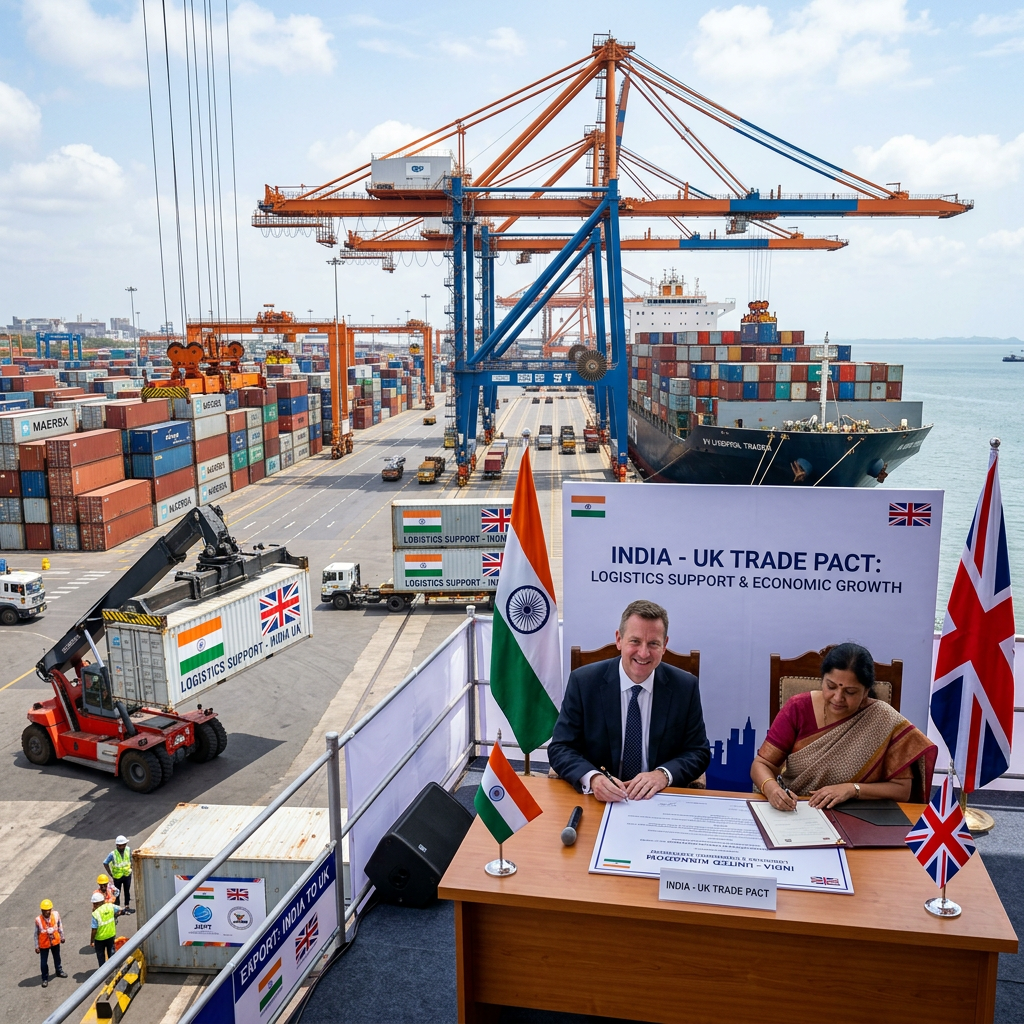
| Trade Agreements | Reduced tariffs, smoother cross-border trade | Boosts international cargo movement |
Emerging Opportunities
- Multimodal logistics integration combining air, rail, and waterways
- Digitization of supply chains for real-time visibility
- Expansion of logistics hubs in central India
- Growth in e-commerce-driven cargo demand
- Sustainability initiatives shaping future logistics models
Conclusion
The air cargo and logistics industry is at a critical inflection point, where government support, digital transformation, and infrastructure investments are redefining operational standards.
While challenges such as global trade uncertainties and margin pressures persist, the sector is poised for growth through policy-driven efficiency, technological adoption, and strategic collaboration. The future of logistics will depend on how effectively stakeholders align with these evolving dynamics to build a resilient, agile, and globally competitive supply chain ecosystem.


 Glottis Limited
Leave a comment