
Introduction
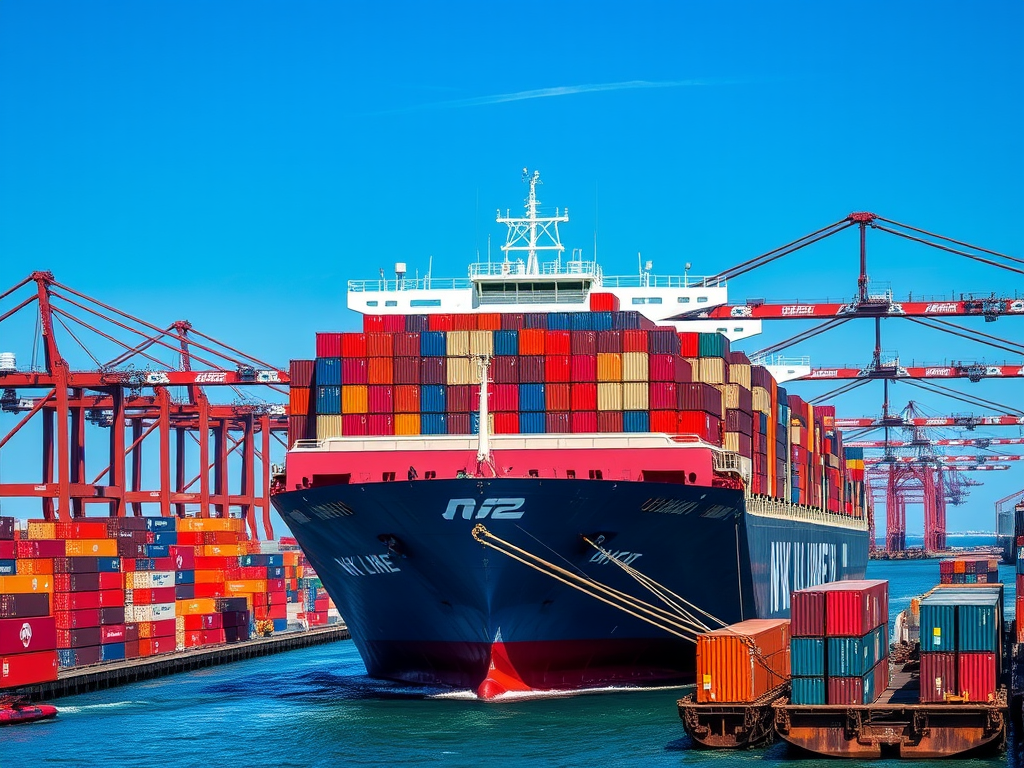
The global shipping industry is facing new challenges as the U.S. proposes tariffs that could impact cargo flows, trade dynamics, and economic stability. Nippon Yusen (NYK Line), one of Japan’s largest shipping companies, is closely monitoring these developments.
Key Tariff Impacts on NYK Line
| Concern | Details |
|---|---|
| Tariff Impact on Goods | Higher tariffs could increase costs for automobiles and daily goods, reducing consumer demand. |
| Effect on Japan’s Economy | Japan’s export-driven economy may see a slowdown depending on cargo movements. |
| Potential Benefits | Trade war shifts may create new opportunities as sourcing moves away from the U.S. |
| Cargo Movement Trends | No major shift in cargo flows despite initial concerns. |
| U.S. Docking Fees | New fees on ships linked to Chinese-built or flagged vessels could raise operational costs. |
| Geopolitical Risks | Middle East tensions continue to pose risks for shipping routes. |
| Panama Canal Congestion | Although resolved, NYK is pushing for LNG tanker priority reinstatement. |
| Investment Strategies | Offshore wind projects in Japan face delays, while overseas investments remain on track. |
Market Trends and Strategic Responses
Takaya Soga, president of NYK Line, has acknowledged that while short-term disruptions are possible, the company remains adaptable to changing market conditions. The firm is exploring alternative routes, adjusting investment strategies, and monitoring geopolitical developments to mitigate risks.
Conclusion
The proposed U.S. tariffs present both challenges and opportunities for NYK Line. While potential disruptions to trade flows and increased costs are concerns, shifts in global sourcing and strategic investments could offer new growth avenues. The company will continue to adapt to evolving geopolitical and economic landscapes to sustain its market position.


Leave a comment