
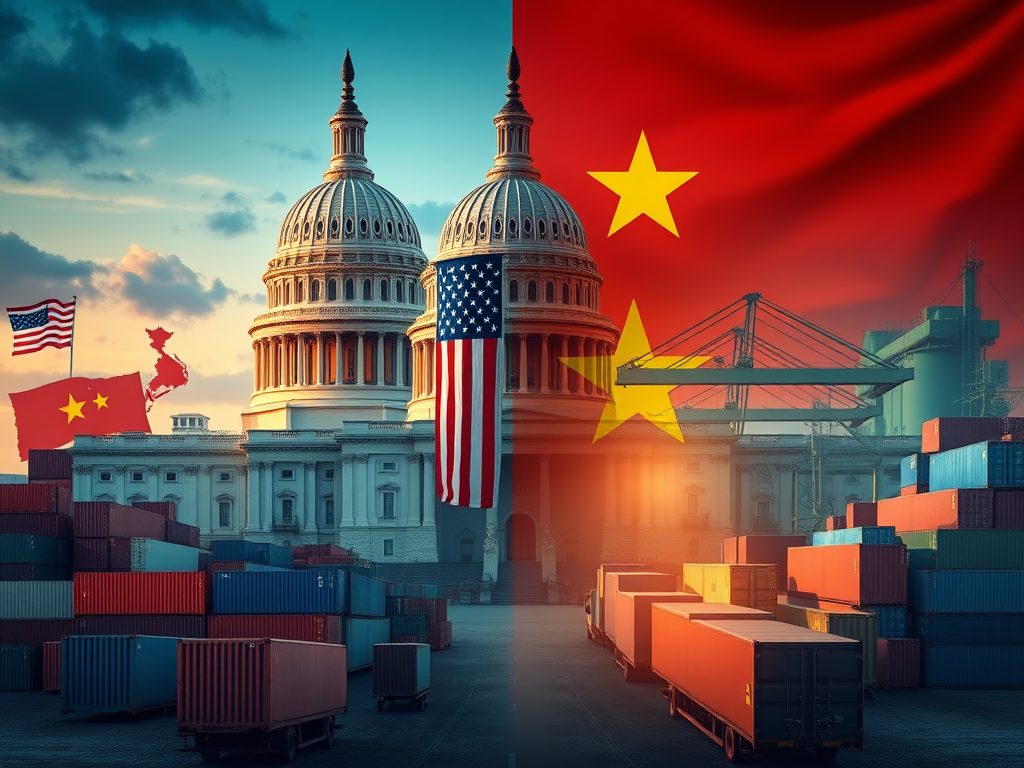
As global trade dynamics shift, the spotlight now turns to the evolving negotiations between the United States and Vietnam. The Biden administration is pressing Hanoi with a sweeping set of demands that could redefine the economic landscape for both countries—and reshape Vietnam’s role in global supply chains.
Trade Under Pressure: What’s at Stake
Since the onset of the U.S.–China trade war in 2018, Vietnam has emerged as a major beneficiary, tripling its exports to the U.S. and positioning itself as an alternative manufacturing hub. However, this new status comes with new scrutiny. As the U.S. explores the option of imposing up to 46% reciprocal tariffs on Vietnamese imports, Washington has placed Vietnam under pressure to meet conditions that extend far beyond trade balances.
At the heart of the matter: curbing Vietnam’s dependence on Chinese industrial inputs and cracking down on what the U.S. alleges to be a pattern of transshipment abuse—where Chinese goods are minimally processed in Vietnam and shipped to the U.S. with a new origin label.
Key Developments in U.S.–Vietnam Trade Talks
| Aspect | Details |
|---|---|
| Tariff Negotiations | U.S. has issued a “long list” of stringent demands to prevent a 46% tariff imposition. |
| China Dependency | U.S. urges Vietnam to reduce reliance on Chinese intermediate goods for manufacturing. |
| Economic Pressure | Vietnam risks economic strain, as its manufacturing relies heavily on Chinese supply chains. |
| Export Surge | Vietnam’s exports to the U.S. reached $140 billion in 2024, tripling since 2018. |
| Import Trends | Rise in U.S.-bound exports parallels increased imports from China into Vietnam. |
| Transshipment Allegations | Accusations that Chinese goods are re-routed through Vietnam under false origin claims. |
| Vietnam’s Response | Hanoi has cracked down on illegal routing and agreed to open markets to U.S. goods. |
| U.S. Demands Urgency | Washington is demanding swift and “best” offers from Vietnam and other trade partners. |
| Geopolitical Challenge | Vietnam must balance U.S. pressure without jeopardizing its strategic ties with China. |
A Delicate Balancing Act
The stakes for Vietnam are not just economic—they are geopolitical. As a country with deep commercial ties to China and growing strategic cooperation with the U.S., Vietnam must navigate a tightrope. Over-committing to either side risks alienating the other, which could jeopardize future trade or security assurances.
Meanwhile, Washington’s approach reflects broader efforts to decouple supply chains from China and seek compliant partners for “friend-shoring” efforts. Vietnam’s manufacturing strength makes it a logical candidate, but only if it adapts to new compliance and origin-traceability standards.
Looking Ahead
The outcome of these negotiations could set a precedent for U.S. trade strategy in the Indo-Pacific and determine whether Vietnam continues to serve as a rising alternative to China—or becomes entangled in the very disputes it initially benefited from.
Conclusion: As talks intensify, both sides face critical decisions. For Vietnam, it’s about maintaining economic growth without losing sovereignty. For the U.S., it’s about securing fair trade practices without pushing allies away. The next few months may define a new era in U.S.–Vietnam economic relations.



Leave a comment